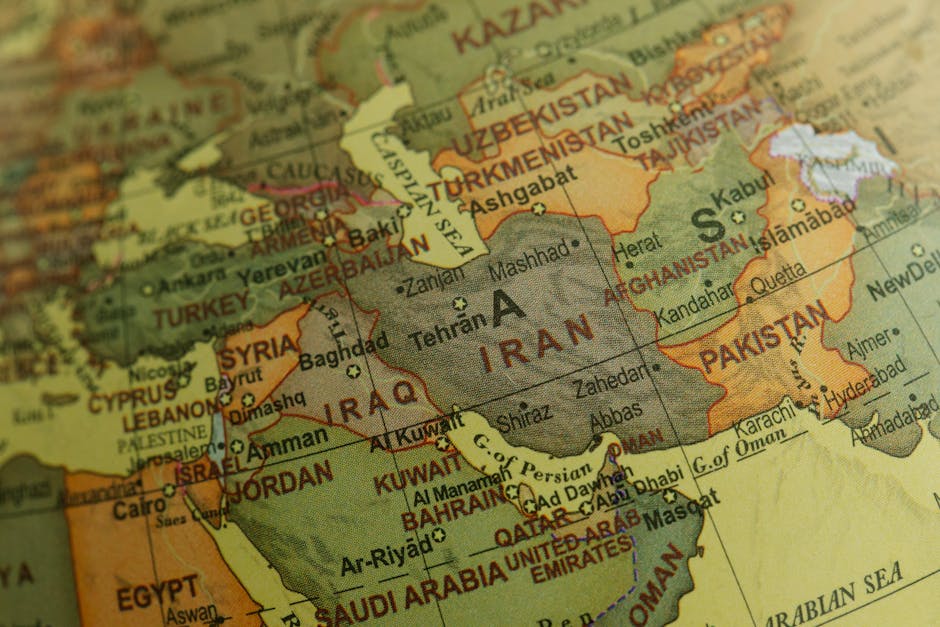
The Strait of Hormuz, a critical waterway that normally sees one-fifth of the world’s oil and liquefied natural gas transit through it, has been effectively closed since the outbreak of war on February 28. This closure has had a profound impact on global energy markets, sending prices skyrocketing around the world. The United States, in response to this crisis, is seeking to form a coalition aimed at reestablishing ‘maritime freedom’ in the region and reopening this vital shipping lane. The move underscores the significant economic and strategic importance of the Strait of Hormuz to global energy security.
Background to the Crisis

The Strait of Hormuz, located between Iran and Oman, is one of the most critical chokepoints in the world for the transport of oil and natural gas. Normally, approximately 20% of the world’s oil and a significant portion of its liquefied natural gas pass through this narrow waterway, making it indispensable for the global energy supply. The sudden closure of the strait due to the conflict has not only disrupted global energy supplies but has also highlighted the vulnerability of the world’s energy infrastructure to geopolitical tensions. As the world grapples with the consequences of this closure, the urgency to find a resolution that ensures the safe passage of energy cargoes through the strait has become paramount.
The Coalition Effort

The United States’ initiative to form a coalition to secure the Strait of Hormuz is a multifaceted effort that involves diplomatic, military, and economic strategies. The coalition aims to provide a framework for international cooperation to safeguard maritime traffic in the region, ensuring that ships can transit the strait without fear of attack or detention. This effort is crucial not only for the stability of global energy markets but also for upholding the principles of freedom of navigation and international law. The success of this coalition will depend on the participation of key regional and global players, including European nations, Japan, and other major oil-importing countries, who have a significant stake in the uninterrupted flow of oil and gas through the strait.
Analysis of the Situation
The closure of the Strait of Hormuz and the subsequent effort to reopen it through a coalition highlight the complex interplay of geopolitical, economic, and strategic factors in the region. The conflict that led to the closure of the strait is a symptom of deeper tensions and rivalries, particularly between Iran and its neighbors, which have been exacerbated by global power dynamics. The impact of the strait’s closure on global energy prices and the broader economy underscores the critical role that this waterway plays in the global energy system. Experts point out that a prolonged closure could lead to significant economic losses and potentially destabilize the global economy, emphasizing the need for a swift and effective solution. Furthermore, the situation serves as a stark reminder of the vulnerabilities of the global energy infrastructure to political instability and conflict.
Implications of the Crisis
The implications of the Strait of Hormuz’s closure are far-reaching, affecting not only the global energy market but also the economies of countries that rely heavily on oil and gas imports. The surge in energy prices has the potential to inflate production costs across various sectors, potentially leading to higher consumer prices and impacting economic growth. Moreover, the crisis underscores the need for diversification of energy sources and the development of alternative routes for energy transportation to mitigate the risks associated with reliance on any single chokepoint. For countries with significant maritime trade, the principle of freedom of navigation is not just an economic issue but also a matter of national security, highlighting the importance of international cooperation in maintaining the security of critical waterways.
Expert Perspectives
Experts in the field of energy and geopolitics offer contrasting viewpoints on the effectiveness of the proposed coalition and the potential outcomes of the crisis. Some argue that a coalition-based approach could provide the necessary framework for stabilizing the region and ensuring the safe passage of ships, while others caution that the complexities of the conflict and the interests of various stakeholders might hinder the coalition’s efforts. There is a general consensus, however, on the critical nature of the situation and the need for a coordinated international response to address the crisis and prevent further escalation.
Looking forward, the situation in the Strait of Hormuz remains fluid, with the outcome of the coalition’s efforts uncertain. The key question on the minds of policymakers, economists, and energy analysts is whether the international community can come together effectively to reopen the strait and stabilize the global energy market. As the world watches the developments in the region closely, it is clear that the resolution of this crisis will have significant implications not only for the future of global energy security but also for the principles of international cooperation and the free flow of commerce.