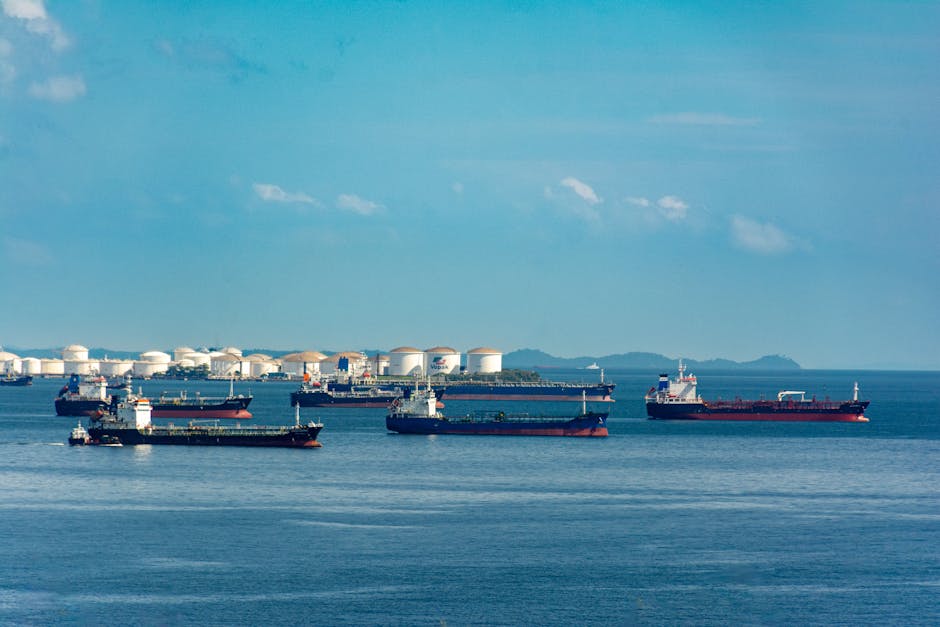
- The Strait of Hormuz is a critical waterway that accounts for nearly a third of the world’s seaborne oil exports, making it a vital component of the global economy.
- The current crisis in the Strait of Hormuz is rooted in the deteriorating relationship between the United States and Iran, with tensions escalating over Iran’s nuclear program and support for militant groups.
- The closure of the Strait of Hormuz could disrupt global trade, with over 18 million barrels of oil passing through the waterway every day.
- UN Secretary-General António Guterres has urged the immediate reopening of the Strait, citing concerns over the potential disruption to global trade and the risk of further escalation.
- A prolonged closure of the Strait of Hormuz would have far-reaching implications for the global economy, including increased oil prices and potential trade disruptions.
The Strait of Hormuz, a critical waterway that accounts for nearly a third of the world’s seaborne oil exports, has been at the center of rising tensions between the United States and Iran. In a striking turn of events, UN Secretary-General António Guterres has urged the immediate reopening of the Strait, citing concerns over the potential disruption to global trade and the risk of further escalation. With over 18 million barrels of oil passing through the Strait every day, the implications of a prolonged closure are far-reaching, and the international community is watching with bated breath as the situation unfolds.
Background to the Crisis

The current crisis in the Strait of Hormuz has its roots in the deteriorating relationship between the United States and Iran. The two nations have been at odds over a range of issues, including Iran’s nuclear program and its support for militant groups in the region. The situation took a turn for the worse earlier this year when the United States withdrew from the Joint Comprehensive Plan of Action (JCPOA), a landmark nuclear deal that had provided a framework for the normalization of relations between Iran and the international community. Since then, tensions have been simmering, with both sides engaging in a war of words and a series of provocative actions that have brought the region to the brink of conflict. The closure of the Strait of Hormuz has significant implications for global trade, and the UN chief’s call for its reopening is a clear indication of the gravity of the situation.
Key Developments in the Crisis

The crisis in the Strait of Hormuz has been marked by a series of key developments, including the seizure of several oil tankers by Iranian forces and the deployment of additional US military assets to the region. The situation has been further complicated by the involvement of other nations, including the United Kingdom, which has seen several of its ships detained by Iranian authorities. The UN chief’s call for the reopening of the Strait has been welcomed by many in the international community, who see it as a crucial step towards reducing tensions and preventing further escalation. However, the path forward remains uncertain, and it is unclear whether the parties involved will be able to find a way out of the current impasse. The key details of the crisis are complex and multifaceted, involving a range of political, economic, and strategic considerations that will need to be carefully navigated in the days and weeks ahead.
Analysis of the Crisis
Analysis of the crisis in the Strait of Hormuz suggests that the causes are deeply rooted in the complex geopolitics of the region. The United States and Iran have long been rivals, and their competing interests have created a volatile mix of tensions and alliances that have the potential to spark conflict at any moment. The closure of the Strait has significant implications for the global economy, with the potential to disrupt oil supplies and drive up prices. According to experts, the crisis has already had a major impact on the global economy, with oil prices rising sharply in recent weeks. The data suggests that the situation is unlikely to improve anytime soon, and the international community will need to come together to find a solution to the crisis. The expert angle on the crisis is clear: the situation is grave, and immediate action is needed to prevent further escalation and reduce the risk of conflict.
Implications of the Crisis
The implications of the crisis in the Strait of Hormuz are far-reaching, with the potential to affect not just the global economy but also the stability of the region. The closure of the Strait has already had a major impact on the shipping industry, with many companies rerouting their vessels to avoid the area. The situation has also had a significant impact on the people of the region, who are facing rising fuel prices and shortages of essential goods. The UN chief’s call for the reopening of the Strait is a clear recognition of the humanitarian implications of the crisis, and the need for immediate action to address the needs of those affected. The situation is complex and multifaceted, involving a range of political, economic, and humanitarian considerations that will need to be carefully navigated in the days and weeks ahead.
Expert Perspectives
Experts have weighed in on the crisis in the Strait of Hormuz, offering contrasting viewpoints on the best way forward. Some have argued that the United States and Iran need to engage in direct talks to resolve their differences, while others have suggested that a more nuanced approach is needed, involving a range of diplomatic and economic measures to reduce tensions and prevent further escalation. The expert perspectives on the crisis are varied and complex, reflecting the deeply entrenched interests and alliances that are at play in the region. As the situation continues to unfold, it is clear that the international community will need to come together to find a solution that addresses the needs and concerns of all parties involved.
Looking to the future, the key question is what will happen next in the Strait of Hormuz. Will the parties involved be able to find a way out of the current impasse, or will the situation continue to escalate, posing a major threat to global stability and security? The answer to this question is unclear, but one thing is certain: the international community will be watching with bated breath as the situation unfolds, and the UN chief’s call for the reopening of the Strait will remain a crucial step towards reducing tensions and preventing further conflict. The forward look is uncertain, but it is clear that the situation in the Strait of Hormuz will remain a major focus of attention in the days and weeks ahead, as the world waits to see what will happen next in this critical and volatile region.