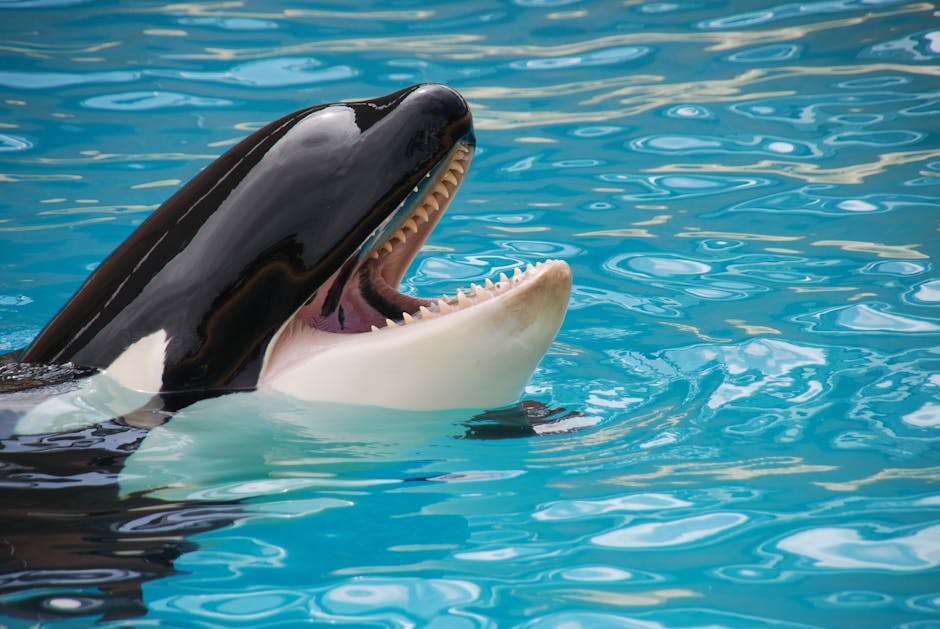
- Killer whale tourism has raised concerns about human and whale safety due to the unpredictability of wild animals.
- Only two places in the world, Tonga and New Zealand, permit tourists to swim with killer whales, sparking debate over ethics and regulation.
- Swimming with killer whales can disrupt their natural behavior and pose a risk to human safety, despite potential conservation and education benefits.
- Regulations and guidelines are necessary to ensure the safety and well-being of humans and whales involved in killer whale tourism.
- Incidents and accidents involving killer whale tourism have highlighted the need for caution and responsible practices in this industry.
Despite being the ocean’s apex predator, killer whales have become a popular attraction for tourists, with many willing to pay top dollar to swim alongside these majestic creatures. However, this trend has raised significant concerns about the safety of both humans and whales. With only two places in the world, Tonga and New Zealand, allowing tourists to enter the water with killer whales, the ethics of this practice are being called into question. As the industry continues to grow, it is essential to examine the potential risks and consequences of swimming with killer whales, and whether the benefits outweigh the costs.
The Allure of Killer Whale Tourism

The idea of swimming with killer whales is undeniably alluring, offering a unique and exhilarating experience for adventure-seekers. However, this trend has sparked a heated debate about the ethics of interacting with these wild animals. Proponents of killer whale tourism argue that it promotes conservation and education, while opponents claim that it disrupts the natural behavior of the whales and poses a significant risk to human safety. As the demand for this type of tourism continues to grow, it is crucial to consider the potential impact on both humans and whales, and to develop regulations and guidelines to ensure the safety and well-being of all parties involved.
Incidents and Accidents

There have been several incidents and accidents involving tourists swimming with killer whales, highlighting the potential risks and dangers of this practice. In recent years, there have been reports of whales attacking tourists, as well as instances of tourists disrupting the natural behavior of the whales. For example, in Tonga, a popular destination for killer whale tourism, there have been several incidents of whales becoming aggressive towards tourists, resulting in injuries and near-misses. These incidents have raised concerns about the safety of tourists and the potential consequences of disrupting the natural behavior of these wild animals.
Expert Analysis
Experts have weighed in on the debate, with many expressing concerns about the impact of killer whale tourism on the whales themselves. According to Dr. Ingrid Visser, a leading expert on killer whales, “the effects of tourism on killer whales are still not fully understood, but it is clear that it can cause significant stress and disruption to their natural behavior.” Visser also notes that the growing demand for killer whale tourism is leading to an increase in the number of boats and tourists in the water, which can have a devastating impact on the whales’ habitat and social structures. As the industry continues to grow, it is essential to develop a better understanding of the potential impacts and to implement regulations and guidelines to mitigate these effects.
Implications and Consequences
The implications and consequences of killer whale tourism are far-reaching, affecting not only the whales themselves but also the local communities and ecosystems. As the industry continues to grow, there is a risk of over-tourism, which can lead to the degradation of the whales’ habitat and the disruption of their social structures. Furthermore, the potential risks to human safety cannot be ignored, with the possibility of accidents and incidents increasing as more tourists enter the water with killer whales. It is essential to consider these implications and to develop strategies to mitigate the potential consequences, ensuring the long-term sustainability of killer whale tourism.
Expert Perspectives
Experts have differing opinions on the ethics of killer whale tourism, with some arguing that it can be a valuable tool for conservation and education, while others claim that it is inherently exploitative and risky. According to Dr. Visser, “killer whale tourism can be a powerful tool for promoting conservation and education, but it must be done responsibly and with the utmost respect for the whales and their habitat.” In contrast, other experts argue that the risks and consequences of killer whale tourism outweigh any potential benefits, and that it is essential to prioritize the safety and well-being of both humans and whales.
As the debate surrounding killer whale tourism continues, it is essential to consider the potential risks and consequences, and to develop strategies to mitigate these effects. With the industry expected to continue growing, it is crucial to prioritize the safety and well-being of both humans and whales, and to ensure that killer whale tourism is developed and managed in a responsible and sustainable manner. As we look to the future, it is essential to ask whether the benefits of killer whale tourism outweigh the costs, and to consider alternative approaches to promoting conservation and education that do not involve the risks and consequences of swimming with these wild animals.