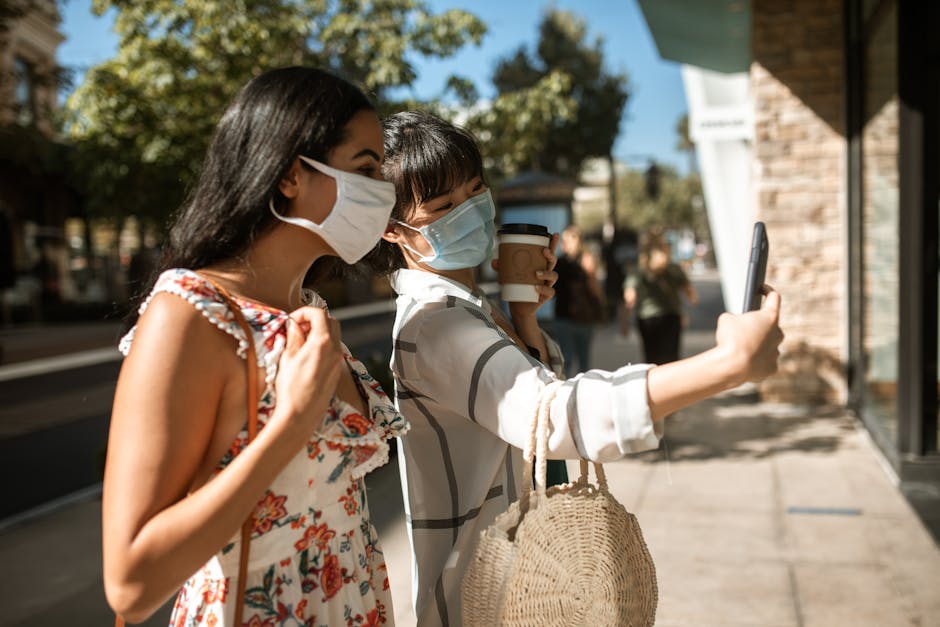
- Biometric search systems can identify individuals from publicly available photos without explicit consent from the individuals in the photos.
- The use of public photos for biometric searches transforms their original social context into a different, often unintended, purpose.
- The Clearview AI case exemplifies the consent gap in AI applications, where personal data is exploited for purposes not agreed upon.
- There is a need for a clearer understanding and definition of consent in the context of AI-powered biometric search systems.
- Widespread use of these systems necessitates addressing the consent gap to protect individuals’ rights.
The rapid advancement of artificial intelligence has led to the development of sophisticated biometric search systems, capable of identifying individuals from publicly available photos. However, the use of these systems has sparked intense debate over the issue of consent. A striking fact is that over 3 billion photos have been scraped from social media platforms to build these systems, raising concerns about the exploitation of personal data. The Clearview AI story is a prime example of this consent gap, where public photos are being used for purposes that the individuals in them never intended or agreed to.
The Consent Gap in Applied AI

The issue at hand is not simply that the photos were public. A birthday photo, profile picture, or local event image is posted for a specific social context, with the understanding that it will be viewed by friends, family, or acquaintances. However, turning that same image into a biometric lookup system for police or other authorities is a purpose transformation, involving a different audience, risk model, power relationship, and usually no notice or recourse. This transformation highlights the need for a more nuanced understanding of consent in the context of AI-powered biometric search systems. As the use of these systems becomes more widespread, it is essential to address the consent gap and ensure that individuals’ rights are protected.
Background and Context

The Clearview AI system was built on more than 3 billion photos scraped from social media platforms, including Facebook, Twitter, and Instagram. This massive dataset allows the system to identify individuals with a high degree of accuracy, making it a powerful tool for law enforcement agencies. However, the company’s methods have been criticized for violating individuals’ privacy and exploiting their personal data without consent. The fact that these photos were publicly available does not necessarily imply that the individuals in them agreed to be part of a biometric search system. As the use of AI-powered biometric search systems becomes more prevalent, it is crucial to consider the context in which photos are shared and the potential consequences of using them for purposes that were not intended.
Key Details and Implications
The Clearview AI system has been used by over 600 law enforcement agencies, including the FBI and the Department of Homeland Security. While the system has been praised for its ability to help solve crimes, it has also raised concerns about the potential for abuse and the erosion of civil liberties. The use of biometric search systems without proper oversight and regulation could lead to a surveillance state, where individuals are constantly being monitored and tracked without their knowledge or consent. Furthermore, the lack of transparency and accountability in the development and deployment of these systems exacerbates the consent gap, making it essential to address these issues through legislation and public awareness.
Analysis and Expert Insights
Experts argue that the use of biometric search systems without consent is a clear violation of individuals’ rights. The fact that photos are publicly available does not imply consent for their use in a biometric search system. Moreover, the lack of notice and recourse for individuals whose photos are being used in these systems is a significant concern. As AI-powered biometric search systems become more widespread, it is essential to develop robust regulations and guidelines that ensure the protection of individuals’ rights and prevent the exploitation of their personal data. This includes implementing measures such as transparency, accountability, and oversight, as well as providing individuals with notice and recourse when their photos are being used in biometric search systems.
Implications and Consequences
The implications of using public photos in biometric search systems without consent are far-reaching. Individuals whose photos are being used in these systems may be subject to surveillance, monitoring, and tracking without their knowledge or consent. This could lead to a range of negative consequences, including the erosion of civil liberties, the suppression of free speech, and the perpetuation of systemic injustices. Furthermore, the lack of transparency and accountability in the development and deployment of these systems could exacerbate existing social inequalities, making it essential to address these issues through legislation, public awareness, and community engagement.
Expert Perspectives
Experts offer contrasting viewpoints on the use of public photos in biometric search systems. Some argue that these systems are essential for public safety and national security, while others contend that they pose a significant threat to individual privacy and civil liberties. According to Dr. Jennifer King, a privacy expert at Stanford University, “The use of biometric search systems without consent is a clear violation of individuals’ rights. We need to develop robust regulations and guidelines to ensure that these systems are used in a way that respects individuals’ privacy and autonomy.” In contrast, some law enforcement officials argue that these systems are necessary for solving crimes and keeping communities safe. As the debate continues, it is essential to consider the potential consequences of using public photos in biometric search systems and to develop solutions that balance public safety with individual privacy and civil liberties.
Looking forward, it is essential to address the consent gap in applied AI and to develop regulations and guidelines that ensure the protection of individuals’ rights. This includes implementing measures such as transparency, accountability, and oversight, as well as providing individuals with notice and recourse when their photos are being used in biometric search systems. As the use of AI-powered biometric search systems becomes more widespread, it is crucial to consider the potential consequences and to develop solutions that balance public safety with individual privacy and civil liberties. One open question is how to ensure that these systems are used in a way that respects individuals’ rights, while also addressing the needs of law enforcement agencies and public safety. Ultimately, finding a solution to this challenge will require a nuanced understanding of the complex issues involved and a commitment to protecting individual privacy and civil liberties in the age of AI.