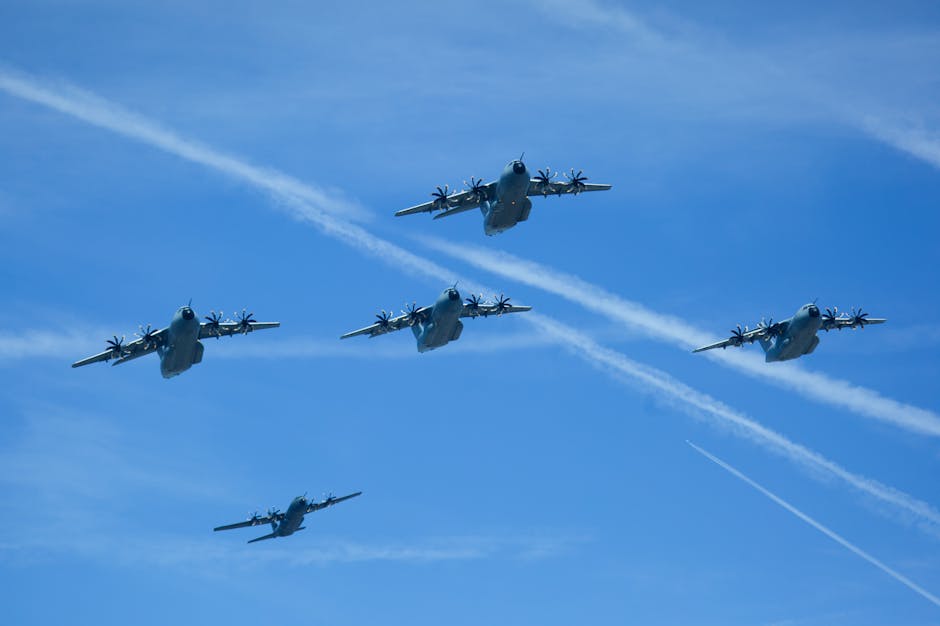
- Iran is on high alert and threatens a ‘long, painful’ response if the US renew attacks.
- Escalating tensions have led to a surge in oil prices and regional allies are responding.
- The conflict has historical roots dating back to the 1979 Iranian Revolution and the US withdrawal from the nuclear deal in 2018.
- A potential meeting at the UN and increased military presence are expected as the international community waits for de-escalation.
- Diplomatic efforts to resolve the conflict have hit an impasse, and a ceasefire is currently in place.
Air defenses in Iran remain on high alert as the country vows a
“long, painful” response if the United States renews attacks, according to
officials in Tehran, Iran, on April 10, amid escalating tensions between the
two nations since the US drone strike on April 7.
Escalating Tensions

Key confirmed details indicate that diplomatic efforts to resolve the
conflict have hit an impasse, with a ceasefire in place since April 8, and
immediate impact is being felt across the region, as oil prices surge and
regional allies scramble to respond to the crisis, with the international
community calling for calm and restraint.
Historical Context

Background and context suggest that the current crisis is the latest
flashpoint in a long-standing conflict between the US and Iran, with roots
dating back to the 1979 Iranian Revolution, and recent events, including the
US withdrawal from the nuclear deal in 2018, have contributed to the
esclating tensions between the two nations.
What to Watch
Next expected developments include a potential meeting between US and
Iranian officials at the United Nations, as well as increased military
presence in the region, as the international community waits with bated
breath to see if the ceasefire will hold, and if diplomatic efforts can
resume, with the US and Iran both facing pressure to de-escalate the
crisis.