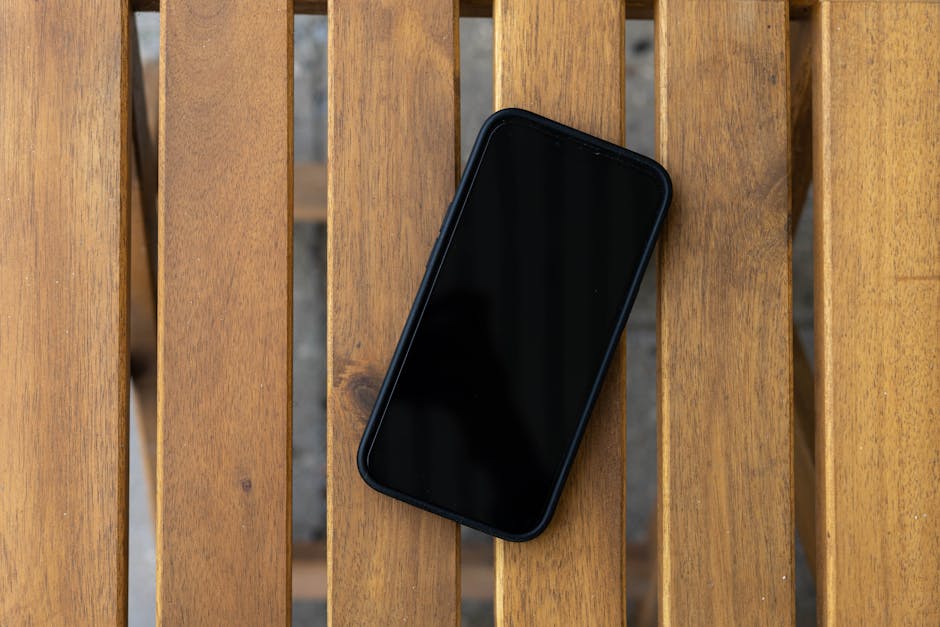
- Excessive smartphone use can lead to negative effects on mental and physical health.
- Physical phone-blocking devices, powered by NFC wireless technology, can help regain control over smartphone use.
- Phone-blocking devices can be programmed to block specific features or apps, such as social media or email.
- Using a phone-blocking device can help individuals stay focused and avoid distractions.
- These devices have become valuable tools for boosting productivity and reducing screen time.
According to a recent study, the average person checks their phone over 50 times per day, with some individuals exceeding 100 checks. I must admit, I am one of them. My phone has become an extension of my body, and I find myself mindlessly scrolling through social media and news feeds, even when I know I should be focusing on more important tasks. This phenomenon is often referred to as doomscrolling, and it can have serious consequences on our mental and physical health. In an effort to break this habit, I decided to try a physical phone-blocking device, powered by NFC wireless technology, to see if it could help me regain control over my smartphone use.
The Rise of Phone-Blocking Devices

Phone-blocking devices are becoming increasingly popular as people become more aware of the negative effects of excessive smartphone use. These devices use NFC technology to block certain features or apps on our phones, helping us to stay focused and avoid distractions. They can be programmed to block social media, email, or even the entire internet, allowing us to take a break from the digital world and engage in more productive activities. With the rise of remote work and online learning, these devices have become a valuable tool for individuals looking to boost their productivity and reduce their screen time.
My Experiment with a Phone-Blocking Device

I recently had the opportunity to test a phone-blocking device, and I was curious to see how it would affect my daily routine. The device was simple to use: I just had to place it near my phone, and it would block all incoming notifications and alerts. At first, I found it challenging to adjust to the silence, but as the day went on, I started to feel a sense of relief and freedom. I was able to focus on my work without the constant distraction of social media and email, and I even found myself enjoying the quiet moments of solitude. However, I soon realized that the device was not foolproof, and I could easily find ways to circumvent its blocking features if I wanted to.
Understanding the Psychology of Smartphone Addiction

Smartphone addiction is a complex issue, and it is not just a matter of willpower or self-control. Our brains are wired to respond to the constant stream of notifications and alerts, releasing dopamine and creating a feeling of pleasure and satisfaction. This can lead to a vicious cycle of addiction, as we become increasingly dependent on our phones to feel connected and entertained. The phone-blocking device I tested was not a magic solution, but it did help me to become more aware of my habits and behaviors. By acknowledging the psychological factors that drive my smartphone use, I can start to develop strategies to overcome my addiction and establish healthier relationships with my devices.
The Impact of Phone-Blocking Devices on Daily Life

The use of phone-blocking devices can have a significant impact on our daily lives, from improving our productivity and focus to reducing our stress and anxiety levels. By limiting our exposure to the constant stream of information and notifications, we can create space for more meaningful activities and interactions. For example, I found that I was able to engage in more in-depth conversations with friends and family, and I even started to enjoy activities like reading and exercise again. However, it is essential to note that phone-blocking devices are not a one-size-fits-all solution, and they may not be suitable for everyone, particularly those who rely on their phones for work or emergency purposes.
Expert Perspectives
Experts in the field of psychology and technology have differing opinions on the effectiveness of phone-blocking devices. Some argue that these devices can be a valuable tool in helping individuals to overcome their smartphone addiction, while others believe that they are merely a quick fix and do not address the underlying issues. According to The New York Times, phone-blocking devices can be a useful addition to a comprehensive approach to reducing smartphone use, but they should not be relied upon as the sole solution. As AP News reports, a combination of strategies, including phone-blocking devices, apps, and behavioral changes, is often the most effective way to overcome smartphone addiction.
As I look to the future, I am left wondering what other solutions will emerge to help us manage our smartphone use and mitigate the negative effects of excessive screen time. Will phone-blocking devices become a standard tool in our daily lives, or will we develop new technologies that can help us to use our phones in a healthier and more balanced way? One thing is certain: the conversation around smartphone addiction is ongoing, and it is essential that we continue to explore innovative solutions to this complex issue.
Source: The Guardian