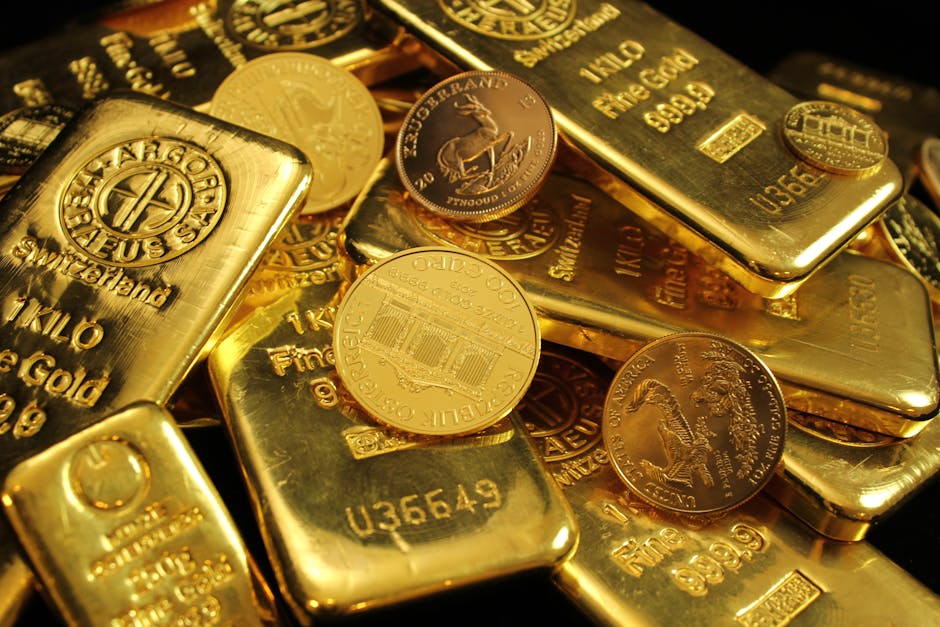
- Central banks are increasing their gold reserves to hedge against economic uncertainty and geopolitical risks.
- Gold is emerging as a top choice for diversification among central banks, especially in response to rising trade tensions and a potential economic downturn.
- The demand for gold is expected to remain robust due to ongoing global tensions, particularly in the Middle East and between major trading partners.
- China, Russia, and Turkey are leading the charge in central bank gold purchases, signaling a shift in the global economic reserve system.
- The rise in gold demand reflects a broader trend of central banks reducing their dependence on the US dollar and other fiat currencies.
The world’s central banks are on a gold-buying spree, with purchases reaching a 50-year high in 2018 and showing no signs of slowing down. This surge in gold reserves is a striking fact that underscores the escalating risk perception among central bankers, who are turning to the precious metal as a safe-haven asset to hedge against economic uncertainty and geopolitical tensions. As the global economy teeters on the brink of a potential downturn, central banks are diversifying their reserves to mitigate potential losses, and gold is emerging as a top choice. With the Middle East war threatening to widen and trade tensions simmering, the demand for gold is likely to remain robust, driving prices higher and fueling a new gold rush.
Gold’s Enduring Allure

The appeal of gold as a reserve asset is not new, but its allure has intensified in recent years as central banks seek to reduce their dependence on the US dollar and other fiat currencies. The decline of the dollar’s status as a global reserve currency, coupled with rising debt levels and economic uncertainty, has created an environment in which gold is seen as a more reliable store of value. As a result, central banks are buying gold to stash in reserve, with countries such as China, Russia, and Turkey leading the charge. This shift towards gold is a significant development, with far-reaching implications for the global economy and the balance of power among nations.
Key Players and Transactions

The central banks of China, Russia, and Turkey have been among the most aggressive buyers of gold in recent years, with each country seeking to bolster its reserves and reduce its reliance on foreign currencies. China, in particular, has been on a gold-buying binge, with its reserves increasing by over 100 tons in 2019 alone. Russia, meanwhile, has been using gold to settle international transactions, reducing its dependence on the dollar and other Western currencies. Turkey, which has faced significant economic challenges in recent years, has also turned to gold as a way to stabilize its currency and attract foreign investment. These transactions are significant, not only because of the sheer volume of gold being purchased but also because they reflect a broader shift in the global economy, with emerging markets seeking to assert their influence and reduce their dependence on Western powers.
Analysis and Implications
The surge in gold buying by central banks has significant implications for the global economy, with potential effects on currency values, interest rates, and trade balances. As central banks accumulate more gold, they are reducing their dependence on foreign currencies, which could lead to a decline in the value of the dollar and other reserve currencies. This, in turn, could lead to higher interest rates and reduced economic growth, as countries with large trade deficits struggle to attract foreign investment. Furthermore, the shift towards gold could also lead to increased trade tensions, as countries seek to protect their domestic industries and reduce their reliance on foreign goods. With the global economy already facing significant headwinds, the gold rush could exacerbate existing trends and create new challenges for policymakers.
Economic Consequences
The economic consequences of the gold rush are far-reaching, with potential effects on inflation, employment, and economic growth. As central banks accumulate more gold, they are reducing the amount of money available for lending and investment, which could lead to higher interest rates and reduced economic growth. Furthermore, the shift towards gold could also lead to increased inflation, as countries with large gold reserves seek to monetize their holdings and increase their money supply. This, in turn, could lead to higher prices and reduced purchasing power, with significant implications for consumers and businesses. With the global economy already facing significant challenges, the gold rush could create new headwinds and exacerbate existing trends, making it more difficult for policymakers to achieve their economic goals.
Expert Perspectives
Experts are divided on the implications of the gold rush, with some arguing that it reflects a healthy diversification of reserve assets and others warning of potential risks to the global economy. According to some analysts, the shift towards gold is a natural response to rising economic uncertainty and geopolitical tensions, and it could help to reduce the risk of financial crises and promote greater stability in the global economy. However, others argue that the gold rush could create new risks, such as higher interest rates and reduced economic growth, and that it could exacerbate existing trends and create new challenges for policymakers. As the gold rush continues, it is likely that these debates will intensify, with significant implications for the global economy and the balance of power among nations.
Looking ahead, the key question is what the gold rush will mean for the future of the global economy. Will it promote greater stability and reduce the risk of financial crises, or will it create new challenges and exacerbate existing trends? As central banks continue to accumulate gold and reduce their dependence on foreign currencies, it is likely that the global economy will undergo significant changes, with far-reaching implications for trade balances, currency values, and economic growth. With the Middle East war threatening to widen and trade tensions simmering, the demand for gold is likely to remain robust, driving prices higher and fueling a new gold rush that could reshape the global economy and the balance of power among nations.