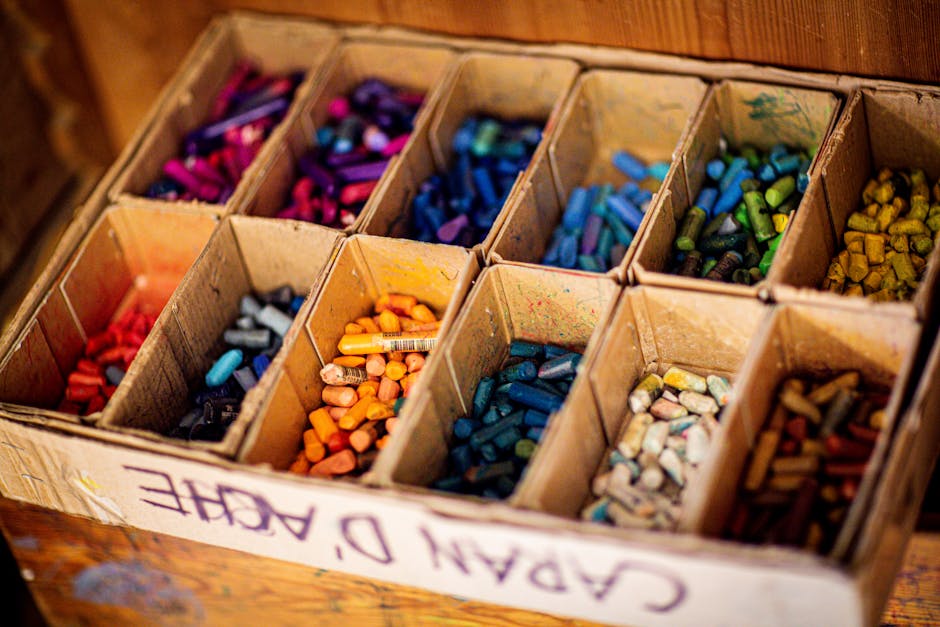
- Crayola toys have been recalled due to possible asbestos contamination, prompting public health concerns.
- Asbestos is a known carcinogen that can cause serious health issues like lung cancer and mesothelioma.
- The recall underscores the importance of stringent regulations and quality control in the toy industry.
- Parents and caregivers should be vigilant about potential hazards in everyday products and take necessary precautions.
- Government oversight is crucial but constant monitoring is needed to ensure product safety.
A shocking discovery has led to the recall of certain Crayola toys due to possible asbestos contamination, sparking widespread concern among parents and caregivers. The recall, announced by the government, affects a range of products that were previously deemed safe for children. Asbestos, a known carcinogen, can cause serious health problems, including lung cancer and mesothelioma, if ingested or inhaled. The recall serves as a stark reminder of the potential dangers lurking in everyday products and the need for vigilant regulation to protect public health.
Background and Regulations

The recall of Crayola toys is a timely reminder of the importance of stringent regulations and quality control measures in the toy industry. In recent years, there have been numerous instances of toys being recalled due to safety concerns, including lead poisoning, choking hazards, and other health risks. The government has implemented various regulations to ensure that toys meet certain safety standards, but the latest recall highlights the need for continued vigilance and monitoring. As consumers, it is essential to be aware of the potential risks associated with certain products and to take necessary precautions to protect ourselves and our loved ones.
Key Details of the Recall

The recall affects specific Crayola toy products that were manufactured and distributed over the past year. According to the government, these products may contain asbestos, which can be released into the air when the toys are used or handled. The recall notice advises consumers to stop using the products immediately and to keep them out of the reach of children. The manufacturer has also established a procedure for consumers to return the affected products and receive a full refund. As the investigation into the recall continues, it is likely that more information will become available about the cause of the contamination and the steps being taken to prevent similar incidents in the future.
Analysis and Implications
The recall of Crayola toys due to possible asbestos contamination has significant implications for consumers, manufacturers, and regulators. From a health perspective, the recall highlights the importance of protecting children from potential health risks associated with everyday products. Asbestos contamination can have serious and long-lasting consequences, and it is essential to take prompt action to prevent exposure. From a regulatory perspective, the recall underscores the need for robust quality control measures and stringent safety standards in the toy industry. Manufacturers must prioritize the safety and well-being of consumers, and regulators must ensure that companies are held accountable for any lapses in safety protocols.
Broader Implications andAffected Groups
The recall of Crayola toys is likely to affect a wide range of individuals and groups, including parents, caregivers, and children. Parents who have purchased the affected products will need to take immediate action to protect their children from potential health risks. Caregivers, including teachers and childcare providers, will also need to be aware of the recall and take necessary precautions to prevent exposure. The recall may also have broader implications for the toy industry as a whole, as manufacturers and regulators reassess safety protocols and quality control measures to prevent similar incidents in the future.
Expert Perspectives
Experts in the field of consumer safety and public health have weighed in on the recall, emphasizing the need for vigilance and prompt action to protect consumers. According to some experts, the recall highlights the importance of robust regulatory frameworks and stringent safety standards in the toy industry. Others have noted that the recall serves as a reminder of the potential dangers associated with everyday products and the need for consumers to be aware of potential health risks. As the investigation into the recall continues, it is likely that expert opinions and perspectives will play a crucial role in shaping the response to the crisis and preventing similar incidents in the future.
Looking ahead, it is essential to monitor the situation closely and to watch for any developments or updates related to the recall. Consumers who have purchased the affected products should follow the manufacturer’s instructions for returning the products and receiving a full refund. As the toy industry and regulators respond to the crisis, it will be important to ask questions about the causes of the contamination, the steps being taken to prevent similar incidents, and the broader implications for consumer safety and public health. By staying informed and engaged, consumers can play a critical role in promoting safety and accountability in the toy industry.