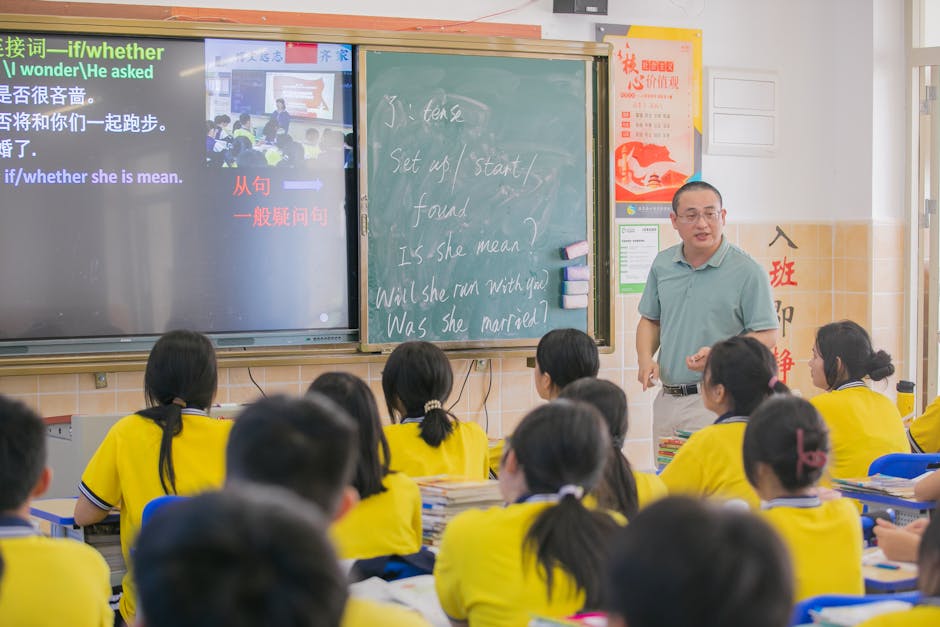
- Li Ying, or Teacher Li, is a prominent Chinese dissident highlighting everyday struggles and advocating for CCP reform.
- His work, despite being dangerous, showcases the discrepancies between CCP rhetoric and Chinese reality.
- Teacher Li’s mission is to create a better future for China, echoing the sentiments of many citizens seeking reform.
- Li’s experiences as a teacher revealed the struggles of his students and their families, leading him to speak out against injustices.
- Teacher Li’s commitment to his cause is driven by a sense of responsibility to bring about positive change to the CCP.
The number of Chinese citizens actively working to bring about reform to the Communist Party of China (CCP) is growing, with one notable figure being Li Ying, affectionately known as Teacher Li. With a strong online presence, Li has been cataloguing everyday life in China, highlighting the struggles of ordinary citizens and the need for change. His work is dangerous, yet he remains steadfast in his mission to create a better future for China. As Li himself notes, “Our work is about being ready for the tipping point,” a sentiment that echoes the feelings of many Chinese citizens who are eager for reform.
The Backstory of a Dissident

Li Ying’s journey as a dissident began several years ago, when he started to notice the discrepancies between the CCP’s rhetoric and the reality of life in China. As a teacher, he saw firsthand the struggles of his students and their families, who were often forced to live in poverty despite the country’s rapid economic growth. This sparked a sense of responsibility in Li, who felt compelled to speak out against the injustices he witnessed. His work has not gone unnoticed, and he has become a prominent figure in the Chinese dissident community. Despite the risks, Li remains committed to his cause, believing that his work can help bring about positive change to the CCP.
A Catalogue of Struggles

Li’s work involves cataloguing everyday life in China, from the struggles of rural farmers to the plight of urban workers. He uses social media and other online platforms to share his findings, often using vivid descriptions and powerful imagery to convey the harsh realities of life in China. His goal is not to destroy the CCP, but to reform it from within, making it more accountable to the people it serves. This approach has earned him both supporters and detractors, with some praising his bravery and others criticizing his methods. Nevertheless, Li remains undeterred, convinced that his work is essential to creating a better future for China.
Analysis and Implications
The implications of Li’s work are far-reaching, with potential consequences for both the CCP and the Chinese people. If successful, his efforts could lead to meaningful reforms, improving the lives of millions of citizens. However, the risks are also significant, and Li faces the very real possibility of persecution or even imprisonment. Despite these dangers, he remains committed to his cause, believing that the potential rewards outweigh the risks. As the Chinese economy continues to grow, the need for reform becomes increasingly pressing, and Li’s work serves as a catalyst for change, inspiring others to join the movement.
Reform and its Challenges
The challenges facing Li and other Chinese dissidents are significant, from the dangers of persecution to the difficulties of creating meaningful change. The CCP is a powerful and entrenched institution, and reforming it will not be easy. However, Li remains optimistic, believing that the Chinese people are ready for change and that the CCP can be reformed from within. His approach is not without its critics, and some argue that more radical action is needed to bring about real change. Nevertheless, Li’s commitment to his cause is unwavering, and his work serves as a powerful reminder of the importance of perseverance and determination in the face of adversity.
Expert Perspectives
Experts are divided on the impact of Li’s work, with some praising his bravery and others questioning his methods. According to Dr. Wang, a leading expert on Chinese politics, “Li’s work is a crucial part of the movement to reform the CCP. His commitment to non-violent resistance and his focus on cataloguing everyday life in China make him a powerful voice for change.” In contrast, Dr. Lee, a critic of Li’s approach, argues that “more radical action is needed to bring about real change. The CCP will not reform itself, and more drastic measures are required to create a better future for China.” These differing perspectives highlight the complexities of the issue and the need for ongoing debate and discussion.
As the situation in China continues to evolve, it is clear that Li’s work will be closely watched by scholars, policymakers, and citizens around the world. The question on everyone’s mind is: what’s next for China, and how will the CCP respond to the growing calls for reform? Only time will tell, but one thing is certain – Li Ying’s courage and determination have inspired a movement, and his legacy will be felt for years to come. As the world waits with bated breath to see what the future holds for China, one thing is clear: the work of Li Ying and other Chinese dissidents will play a crucial role in shaping the country’s destiny.