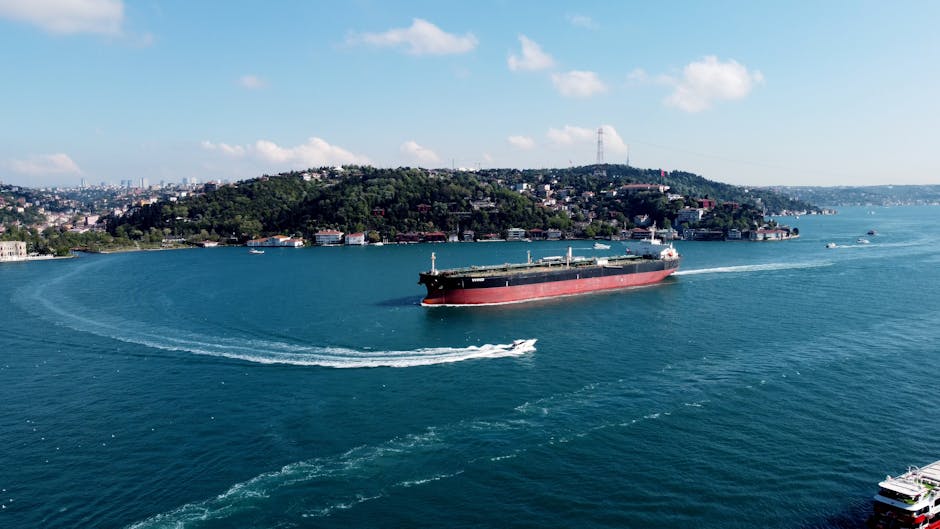
- The US has warned shippers against paying tolls or donations to Iran for navigating the Strait of Hormuz.
- The warning is part of a broader conflict between the US and Iran, fueled by the US withdrawal from the Iran nuclear deal.
- The Strait of Hormuz is a crucial waterway through which a significant proportion of the world’s oil passes.
- Tensions between the US and Iran have been escalating over the past year due to economic sanctions and provocative military actions.
- The situation in the Strait of Hormuz is complex and volatile, with the potential for conflict between the US and Iran.
The United States has issued a stern warning to shipping companies, advising them against paying tolls or so-called ‘donations’ to Iran for navigating the strategically vital Strait of Hormuz. This latest warning comes at a time of heightened tensions in the region, with the US and its allies increasingly concerned about Iranian aggression and the potential for conflict. The Strait of Hormuz, which connects the Persian Gulf to the Arabian Sea, is a critical waterway through which a significant proportion of the world’s oil passes, making it a focal point of global economic and geopolitical interest. With tensions between the US and Iran showing no signs of abating, the warning to shippers underscores the complex and volatile nature of the situation in the region.
Background to the Conflict

The current tensions in the Strait of Hormuz are part of a broader and more complex conflict between the US and Iran, which has been escalating over the past year. The situation has been exacerbated by the US withdrawal from the Joint Comprehensive Plan of Action (JCPOA), also known as the Iran nuclear deal, and the subsequent reimposition of economic sanctions on Iran. These actions have led to a significant deterioration in relations between the two countries, with Iran responding by breaching certain limits imposed by the nuclear deal and engaging in provocative military actions in the region. The warning to shippers is the latest move in a series of diplomatic and military maneuvers by the US aimed at countering Iranian influence and protecting American and allied interests in the Middle East.
Key Details of the Warning

The warning issued by the US to shipping companies is explicit in its advice against complying with any Iranian demands for payment in exchange for safe passage through the Strait of Hormuz. This includes not only formal tolls but also any ‘donations’ or other forms of payment that might be solicited by Iranian authorities. The US has made it clear that such payments would be seen as legitimizing Iranian aggression and potentially undermining international efforts to maintain freedom of navigation in the region. The warning also reflects concerns about the safety and security of ships and their crews, given the risk of seizure or attack by Iranian forces. Several ships have been detained or attacked in the region in recent months, leading to a significant increase in insurance costs and other expenses for shipping companies operating in the area.
Analysis of the Situation
Analysts see the US warning as part of a broader strategy to isolate Iran economically and diplomatically, while also ensuring the free flow of oil and other goods through the Strait of Hormuz. The situation is complicated by the fact that Iran has significant military capabilities in the region, including naval and missile forces that could potentially be used to disrupt shipping. However, the US and its allies have also made it clear that they will take all necessary measures to protect their interests and maintain stability in the region. The economic implications of the conflict are also significant, with the potential for higher oil prices and disruptions to global supply chains. As such, the situation in the Strait of Hormuz is being closely watched by governments, businesses, and investors around the world.
Implications for Global Trade
The implications of the US warning to shippers are far-reaching, with potential consequences for global trade and the economy. The Strait of Hormuz is a critical chokepoint for international trade, with a significant proportion of the world’s oil and other goods passing through it. Any disruption to shipping in the region could have significant economic consequences, including higher prices for oil and other commodities, as well as potential shortages of critical goods. The situation also underscores the importance of maintaining freedom of navigation and the rule of law in international waters, principles that are essential for the smooth functioning of global trade and commerce. As tensions in the region continue to escalate, there are growing concerns about the potential for miscalculation or accident, which could have devastating consequences for the global economy.
Expert Perspectives
Experts are divided on the potential outcome of the current situation in the Strait of Hormuz, with some warning of the risk of conflict and others arguing that diplomatic efforts can still resolve the crisis. Some analysts see the Iranian peace proposal reported by state media as a potential opportunity for dialogue and de-escalation, while others are more skeptical, given the deep-seated nature of the conflict and the significant differences between the US and Iran. As the situation continues to unfold, it is clear that the perspectives of experts and policymakers will play a critical role in shaping the course of events and determining the outcome of the crisis.
Looking ahead, the key question is what steps the US and Iran will take next, and whether diplomatic efforts can succeed in reducing tensions and preventing conflict. The situation in the Strait of Hormuz is highly volatile, with the potential for rapid escalation or de-escalation. As such, it is being closely watched by governments, businesses, and investors around the world, all of whom have a significant stake in the outcome. The coming days and weeks will be critical in determining the course of events, and whether the region can be steered away from conflict and towards a more stable and peaceful future.