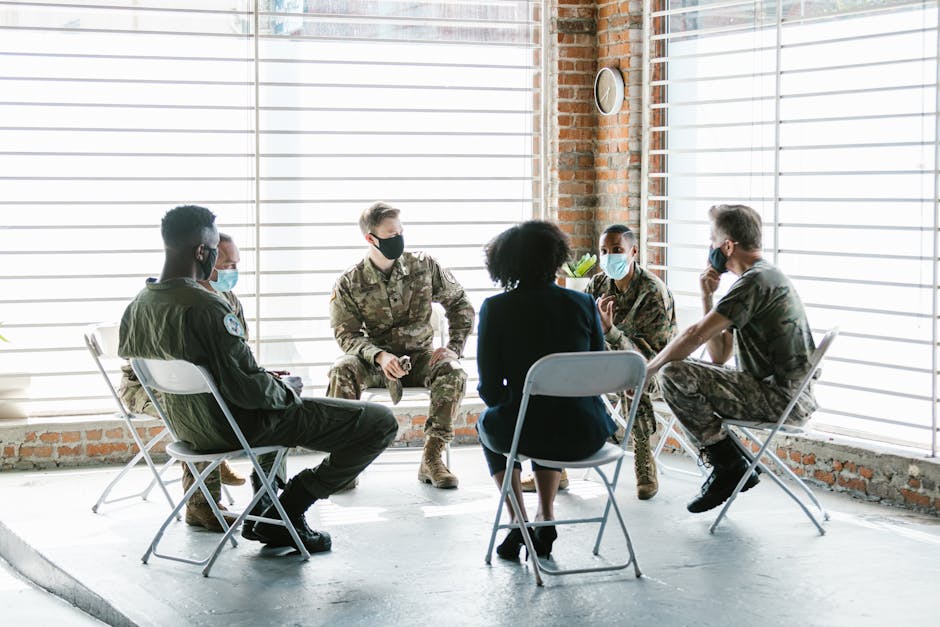
- The US and Iran conflict has reached a critical juncture, with lawmakers scrutinizing the administration’s strategy and decision-making process.
- The Pentagon chief and top general testified before a Senate committee, shedding light on key aspects of the conflict, including military objectives and ally roles.
- The US withdrawal from the JCPOA in 2018 marked a significant turning point, leading to a resurgence of tensions between the two nations.
- The conflict has escalated due to sanctions, targeting of Iranian military leaders, and a complex web of historical, political, and economic factors.
- The Senate hearings aim to hold the administration accountable for its actions and examine the underlying causes of the conflict.
The ongoing conflict between the US and Iran has reached a critical juncture, with the Pentagon chief and top general testifying before a Senate committee for the second day. This marks the first public Congressional hearings since the war began, providing a unique opportunity for lawmakers to scrutinize the administration’s strategy and decision-making process. The testimony of Pete Hegseth, alongside the Pentagon chief and top general, has shed light on the key aspects of the conflict, including the military’s objectives, the role of allies, and the potential consequences of escalation. With the situation on the ground continuing to deteriorate, the hearings have taken on added significance, as lawmakers seek to hold the administration accountable for its actions.
The Road to War

The current conflict between the US and Iran has its roots in a complex web of historical, political, and economic factors. The US withdrawal from the Joint Comprehensive Plan of Action (JCPOA) in 2018 marked a significant turning point, as it led to a resurgence of tensions between the two nations. The subsequent imposition of sanctions and the targeting of Iranian military leaders have contributed to a dramatic escalation of hostilities. As the situation continues to unfold, it is essential to understand the underlying causes of the conflict and the motivations of the key players involved. The Senate hearings have provided a platform for lawmakers to examine the administration’s decision-making process and the potential consequences of its actions.
Key Developments in the Conflict

The testimony of the Pentagon chief and top general has revealed significant details about the military’s objectives and the role of allies in the conflict. The US has sought to build a coalition of like-minded nations to support its efforts, but the response has been lukewarm, with many countries expressing concerns about the potential consequences of escalation. The military has also faced challenges in its efforts to target Iranian military leaders, with the use of drones and other advanced technologies playing a crucial role in the conflict. As the situation continues to evolve, it is likely that the US will face increasing pressure to clarify its objectives and to demonstrate a clear strategy for achieving them.
Analysis and Implications
The conflict between the US and Iran has significant implications for the region and the global economy. The potential disruption to oil supplies and the impact on global markets are just two of the many concerns that have been raised. The use of military force also raises important questions about the role of international law and the potential consequences of escalation. As the situation continues to unfold, it is essential to consider the potential long-term consequences of the conflict and the impact on the global balance of power. The Senate hearings have provided a platform for lawmakers to examine these issues in detail and to hold the administration accountable for its actions.
Humanitarian Concerns
The conflict between the US and Iran has also raised significant humanitarian concerns, with the potential for civilian casualties and the displacement of populations. The use of military force has already led to reports of civilian deaths and injuries, and the situation is likely to deteriorate further unless a peaceful resolution can be found. The international community has a critical role to play in responding to these humanitarian concerns, and the US must work with its allies to provide support to those affected by the conflict. The Senate hearings have highlighted the need for a comprehensive approach to addressing the humanitarian consequences of the conflict.
Expert Perspectives
Experts have offered contrasting viewpoints on the conflict, with some arguing that the US has a legitimate right to self-defense and others expressing concerns about the potential consequences of escalation. The use of military force is a complex issue, and the international community must consider the potential long-term consequences of such actions. As the situation continues to unfold, it is essential to consider the potential implications of the conflict and the impact on the global balance of power. The Senate hearings have provided a platform for lawmakers to examine these issues in detail and to hold the administration accountable for its actions.
The forward look for the conflict is uncertain, with the potential for further escalation or a peaceful resolution. The US must work with its allies to find a comprehensive solution to the conflict, one that addresses the underlying causes of the tensions and provides a clear path forward. The Senate hearings have highlighted the need for a thorough examination of the administration’s strategy and the potential consequences of its actions. As the situation continues to unfold, it is essential to consider the potential implications of the conflict and the impact on the global balance of power.