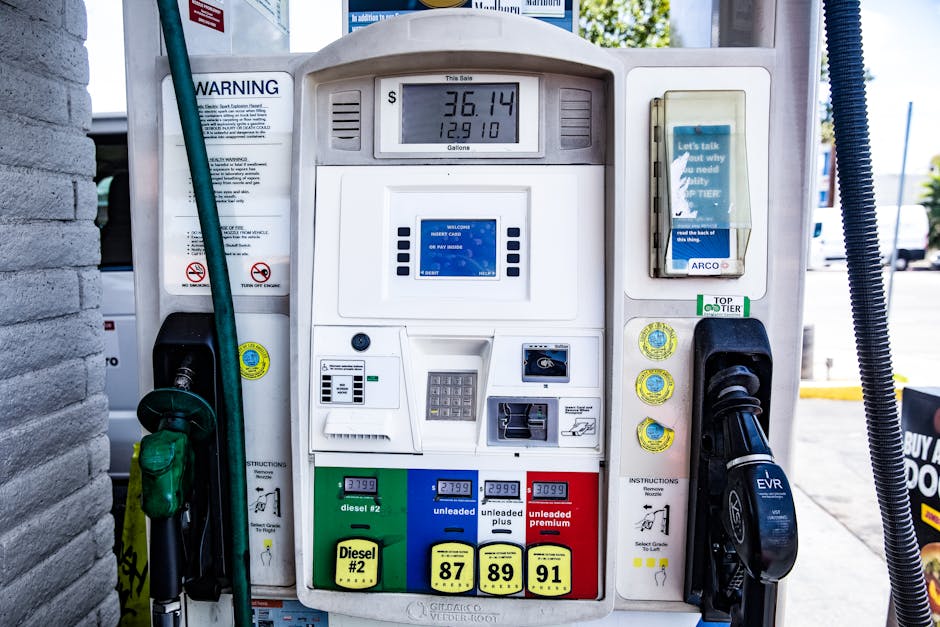
- US gas prices have surged to $4.30 per gallon due to tensions with Iran, particularly the blockade of the Strait of Hormuz.
- The conflict with Iran has led to a significant increase in oil prices, affecting global markets and local gas prices.
- President Trump believes gas prices will drop once the conflict with Iran is resolved, although this remains uncertain.
- The current tensions are part of a broader conflict that began with the US withdrawal from the Iran nuclear deal in 2018.
- The blockade of the Strait of Hormuz has heightened global fears of a potential war and its economic impacts.
The price of gasoline in the United States has reached a staggering $4.30 per gallon, marking a significant increase of nearly 30 cents in just one week. This sudden surge is largely attributed to the escalating tensions with Iran, which has led to a blockade of the Strait of Hormuz, a critical waterway through which a substantial portion of the world’s oil supply passes. The diplomatic deadlock between the US and Iran has sparked fears of a potential war, further exacerbating the situation. President Trump, however, remains optimistic, suggesting that gas prices will drop once the conflict with Iran is resolved.
Background and Current State of Affairs

The current situation with Iran is not an isolated incident, but rather the culmination of months of rising tensions between the two nations. The US withdrawal from the Joint Comprehensive Plan of Action (JCPOA), also known as the Iran nuclear deal, marked the beginning of a downward spiral in relations. Since then, there have been numerous incidents, including the downing of a US drone and attacks on oil tankers, which have contributed to the current state of heightened alert. The blockade of the Strait of Hormuz has resulted in a significant increase in oil prices, which in turn has driven up gas prices across the US. As the situation continues to unfold, it is becoming increasingly clear that the impact of these events will be felt far beyond the Middle East.
Key Details of the Conflict

The conflict with Iran has involved several key players, including the US, Iran, and other nations that rely heavily on oil imports from the region. The US has imposed stringent sanctions on Iran, which have had a devastating impact on the country’s economy. In response, Iran has begun to enrich uranium beyond the limits set by the JCPOA, sparking fears of a nuclear arms race in the region. The situation has been further complicated by the involvement of other nations, such as China and Russia, which have significant economic interests in the region. As the conflict continues to escalate, it is likely that more nations will become involved, potentially leading to a wider regional conflict.
Analysis of the Situation
From an analytical perspective, the current situation with Iran is complex and multifaceted. The increase in gas prices is just one of many potential consequences of the conflict, which could also have a significant impact on the global economy. The US economy, in particular, is heavily reliant on oil imports, and a prolonged conflict could lead to a significant increase in prices, potentially triggering a recession. Furthermore, the conflict has also raised questions about the role of the US in the region and the potential consequences of military intervention. Experts have warned that a war with Iran could have devastating consequences, including the loss of thousands of lives and a significant destabilization of the region.
Implications of the Conflict
The implications of the conflict with Iran are far-reaching and will be felt by individuals and businesses across the US. The increase in gas prices will have a significant impact on consumers, who will be forced to pay more for fuel, potentially leading to a decrease in disposable income. The conflict will also have a significant impact on businesses, particularly those that rely heavily on oil imports, such as the transportation and manufacturing sectors. As the situation continues to unfold, it is likely that the implications of the conflict will become even more pronounced, potentially leading to a significant shift in the global economic landscape.
Expert Perspectives
Experts have offered contrasting viewpoints on the current situation with Iran, with some warning of the potential consequences of military intervention and others suggesting that a more diplomatic approach is needed. Some have argued that the US should take a more aggressive stance towards Iran, while others have suggested that a negotiated settlement is the only way to resolve the conflict. Despite these differing viewpoints, there is a general consensus that the situation with Iran is complex and multifaceted, and that a comprehensive solution will require careful consideration of all the factors involved.
As the situation continues to unfold, it is clear that the coming weeks and months will be critical in determining the outcome of the conflict. The US and Iran will need to navigate a complex web of diplomatic and economic relationships, all while avoiding the potential pitfalls of military intervention. One open question that remains is what role other nations will play in resolving the conflict, and whether a negotiated settlement can be reached before it’s too late. As the world waits with bated breath, one thing is certain – the consequences of the conflict with Iran will be felt for years to come.