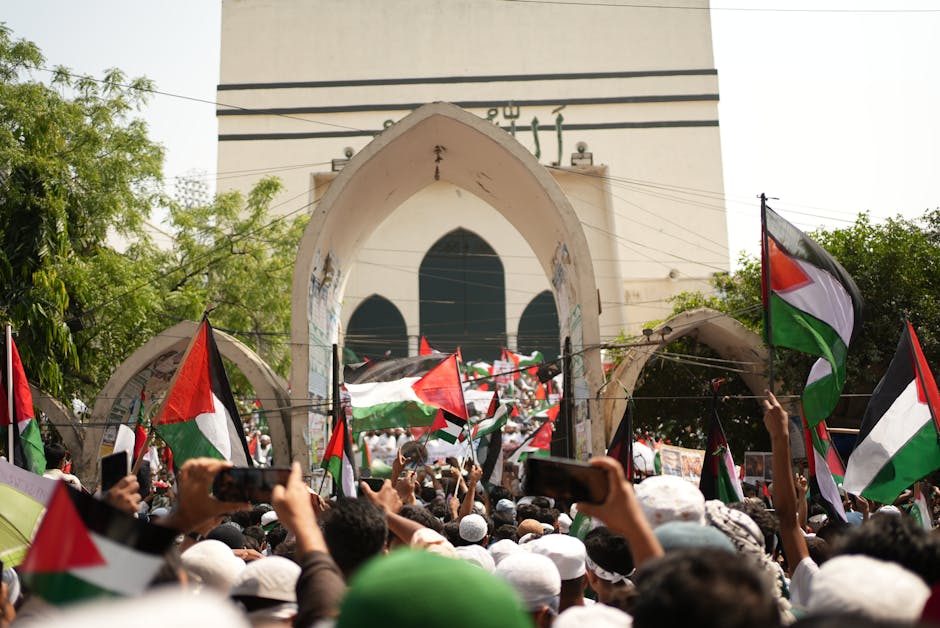
A striking fact has emerged in the ongoing Gaza aid flotilla saga, with the detention of three journalists on board, sparking widespread condemnation from global press freedom organizations. The incident has highlighted the risks faced by journalists in conflict zones, with the detained journalists including Al Jazeera correspondent Hafed Mribah and cameraman Mahmut Yavuz. The flotilla, carrying humanitarian aid to the Gaza Strip, was intercepted by authorities, leading to the detention of the journalists, who were simply doing their job in reporting on the event. This incident has raised serious concerns over press freedom and the safety of journalists in conflict zones.
Background to the Incident

The detention of the journalists on the Gaza aid flotilla is a stark reminder of the challenges faced by the media in reporting on conflict zones. The incident has sparked a global outcry, with press freedom organizations, including Reporters Without Borders (RSF), condemning the detention of the journalists. The flotilla, which was carrying humanitarian aid to the Gaza Strip, was intercepted by authorities, who claimed that it was violating a blockade. The incident has raised questions over the legality of the blockade and the treatment of journalists in conflict zones. As the situation continues to unfold, it is clear that the detention of the journalists has significant implications for press freedom and the ability of the media to report on conflict zones.
Key Details of the Detention

The detention of the three journalists, including Al Jazeera correspondent Hafed Mribah and cameraman Mahmut Yavuz, has raised serious concerns over the treatment of journalists in conflict zones. The journalists were on board the flotilla to report on the delivery of humanitarian aid to the Gaza Strip, when it was intercepted by authorities. The authorities claimed that the flotilla was violating a blockade, and the journalists were detained along with other passengers on board. The incident has sparked a global outcry, with press freedom organizations condemning the detention of the journalists and calling for their immediate release. As the situation continues to unfold, it is clear that the detention of the journalists has significant implications for press freedom and the ability of the media to report on conflict zones.
Analysis of the Incident
An analysis of the incident reveals a complex web of factors, including the legality of the blockade and the treatment of journalists in conflict zones. The detention of the journalists has raised questions over the ability of the media to report on conflict zones, and the risks faced by journalists in these areas. According to experts, the incident highlights the need for greater protection for journalists in conflict zones, and the importance of press freedom in reporting on these events. The incident has also sparked a debate over the legality of the blockade, with some arguing that it is a legitimate measure to prevent the smuggling of goods, while others argue that it is a form of collective punishment. As the situation continues to unfold, it is clear that the detention of the journalists has significant implications for press freedom and the ability of the media to report on conflict zones.
Implications of the Detention
The detention of the three journalists on the Gaza aid flotilla has significant implications for press freedom and the ability of the media to report on conflict zones. The incident has raised serious concerns over the treatment of journalists in conflict zones, and the risks faced by journalists in these areas. The detention of the journalists has also sparked a global outcry, with press freedom organizations condemning the detention and calling for the immediate release of the journalists. As the situation continues to unfold, it is clear that the detention of the journalists has significant implications for the ability of the media to report on conflict zones, and the need for greater protection for journalists in these areas.
Expert Perspectives
Experts have weighed in on the detention of the journalists, with some arguing that it is a clear violation of press freedom, while others argue that it is a legitimate measure to prevent the smuggling of goods. According to Christophe Deloire, Secretary General of RSF, “the detention of the journalists is a clear violation of press freedom, and a stark reminder of the risks faced by journalists in conflict zones.” In contrast, some experts argue that the detention of the journalists is a legitimate measure to prevent the smuggling of goods, and that the media should be more careful in reporting on conflict zones. As the situation continues to unfold, it is clear that the detention of the journalists has sparked a heated debate over press freedom and the ability of the media to report on conflict zones.
Looking ahead, it is clear that the detention of the journalists on the Gaza aid flotilla has significant implications for press freedom and the ability of the media to report on conflict zones. As the situation continues to unfold, it will be important to watch for any developments in the case, and to see how the incident will impact the ability of the media to report on conflict zones. One open question is how the international community will respond to the detention of the journalists, and what measures will be taken to protect the rights of journalists in conflict zones. As the situation continues to unfold, it is clear that the detention of the journalists has sparked a heated debate over press freedom, and the need for greater protection for journalists in conflict zones.