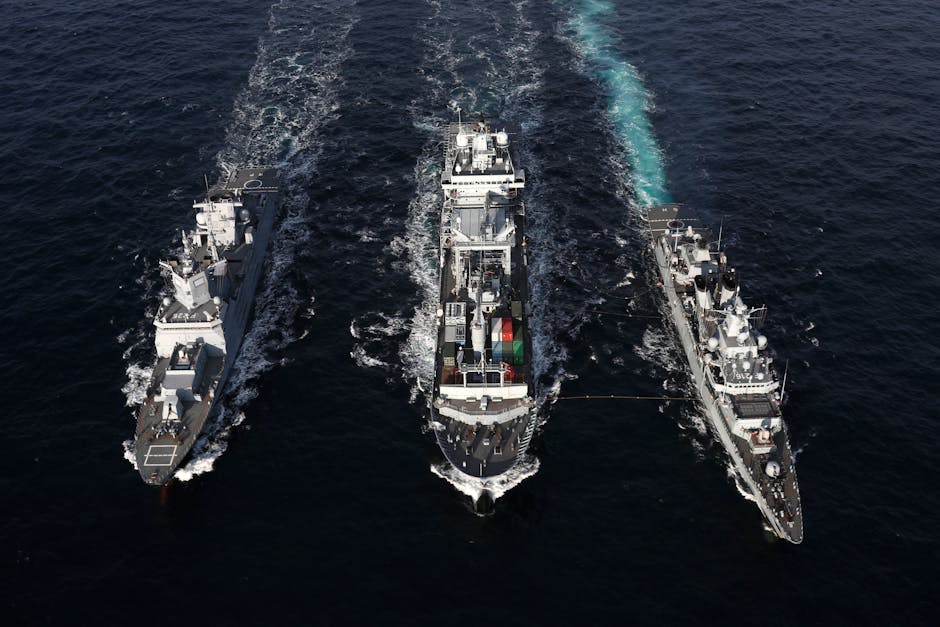
- The Israeli navy intercepted 22 boats carrying activists attempting to break the Gaza blockade.
- The incident is seen as a ‘brutal attack’ by flotilla activist Omer Aslan.
- The Global Sumud Flotilla will continue its mission to challenge the Israeli blockade despite the setback.
- The blockade has been in place since 2007 and has led to a severe humanitarian crisis in Gaza.
- The interception highlights Israel’s commitment to maintaining the blockade and its impact on the civilian population.
The Israeli navy’s interception of 22 boats late Wednesday, carrying hundreds of activists attempting to break the blockade of Gaza, has been deemed a ‘brutal attack’ by flotilla activist Omer Aslan. Despite the setback, Aslan emphasized that the incident will not deter the Global Sumud Flotilla from pursuing its mission to challenge the Israeli blockade. The flotilla, which set sail from various ports across the Mediterranean, aimed to bring attention to the plight of the Palestinian people living under Israeli occupation. With the interception, Israel has once again demonstrated its commitment to maintaining the blockade, which has been in place since 2007.
Background to the Blockade

The Israeli blockade of Gaza has been a contentious issue for over a decade, with widespread criticism from the international community regarding its impact on the civilian population. The blockade, which restricts the movement of people and goods in and out of Gaza, has led to a severe humanitarian crisis, with high levels of poverty, unemployment, and food insecurity. The Global Sumud Flotilla is the latest attempt by activists to challenge the blockade and bring attention to the situation in Gaza. By sailing to Gaza, the activists hope to highlight the injustices faced by the Palestinian people and to put pressure on the Israeli government to lift the blockade.
The Interception

According to eyewitnesses, the Israeli navy intercepted the flotilla in international waters, using aggressive tactics to board the boats and detain the activists. The interception was widely condemned by human rights organizations and governments around the world, with many calling for an investigation into the use of force by the Israeli navy. The activists on board the boats reported being beaten and mistreated by the Israeli soldiers, with some requiring medical attention. Despite the challenges they faced, the activists remain committed to their cause, vowing to continue their efforts to break the blockade and bring aid to the people of Gaza.
Analysis of the Situation
The interception of the Global Sumud Flotilla is a stark reminder of the complexities of the Israeli-Palestinian conflict. The blockade of Gaza is a highly contentious issue, with both sides presenting competing narratives and claims. While Israel maintains that the blockade is necessary for security reasons, Palestinians and their supporters argue that it is a form of collective punishment, designed to strangle the economy and undermine the livelihoods of the civilian population. As the situation continues to unfold, it is clear that a lasting resolution to the conflict will require a fundamental shift in the approach of all parties involved, including the Israeli government, the Palestinian leadership, and the international community.
Implications of the Interception
The interception of the Global Sumud Flotilla has significant implications for the people of Gaza, who continue to suffer under the blockade. The incident has also raised questions about the role of the international community in addressing the conflict, with many calling for greater action to be taken to protect the rights of the Palestinian people. As the situation in Gaza continues to deteriorate, it is clear that urgent action is needed to address the humanitarian crisis and to find a lasting solution to the conflict. The Global Sumud Flotilla has brought attention to the issue, but it will require sustained effort and commitment from all parties involved to bring about meaningful change.
Expert Perspectives
Experts and analysts are divided on the implications of the interception, with some arguing that it marks a significant escalation in the conflict, while others see it as a routine enforcement of the blockade. According to Dr. Nadia Hijab, a senior analyst at the Palestinian think tank Al-Shabaka, ‘the interception of the flotilla is a clear indication of Israel’s commitment to maintaining the blockade, despite the humanitarian cost.’ In contrast, Israeli officials have defended the interception, arguing that it was necessary to prevent the smuggling of weapons and other contraband into Gaza.
As the situation continues to unfold, it remains to be seen how the interception of the Global Sumud Flotilla will impact the broader conflict. Will the incident galvanize international support for the Palestinian cause, or will it lead to further entrenchment of the Israeli position? One thing is certain: the fate of the people of Gaza hangs in the balance, and it is up to the international community to ensure that their rights and dignity are protected. The Global Sumud Flotilla may have been intercepted, but the struggle for justice and freedom in Gaza will continue, with activists and supporters around the world vowing to keep the issue at the forefront of the international agenda.