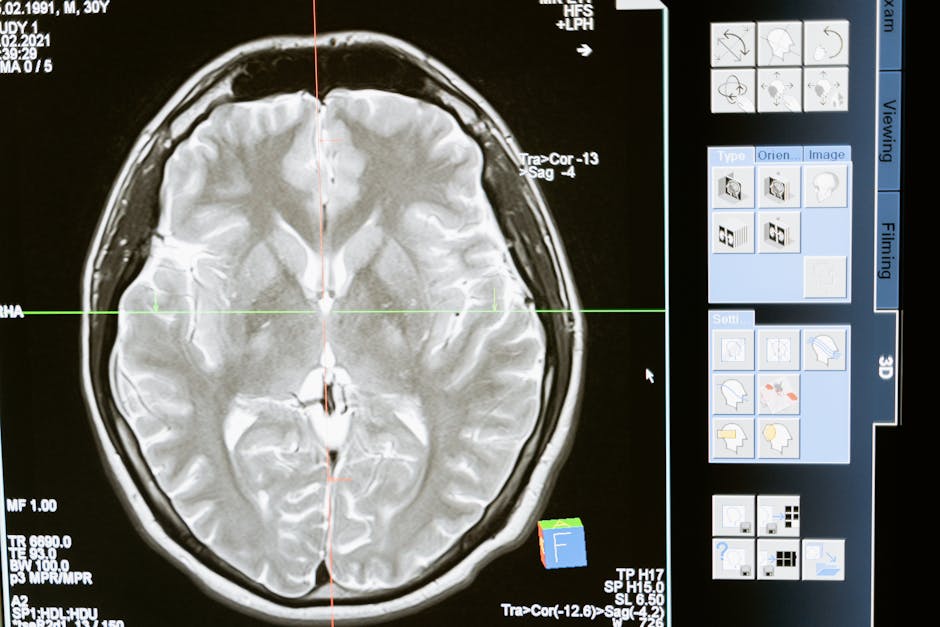
- Exposure to loud noises can cause permanent damage to hair cells in the ear, leading to hearing loss.
- The brain can recover from noise-induced damage, particularly in its ability to detect the end of a sound.
- The offset response is crucial for effective communication and the appreciation of music.
- Researchers at LMU are studying how the brain preserves its ability to detect sound endings despite noise exposure.
- Understanding the mechanisms of brain recovery could lead to new treatments for noise-induced hearing loss.
Exposure to loud noises is a common occurrence in daily life, and it can have a profound impact on our hearing. Prolonged exposure to sounds above 85 decibels can cause permanent damage to the hair cells in the ear, leading to hearing loss. However, the brain has a remarkable ability to recover from noise-induced damage, and researchers have been working to understand the mechanisms behind this process. A recent study has shed light on how the brain preserves its ability to detect the end of a sound, a crucial aspect of hearing that enables us to measure the duration of a sound and detect brief gaps in communication signals.
The Importance of Offset Response

The offset response is a critical component of our auditory system, allowing us to perceive the ending of a sound. This response is generated by the brain when a sound stops, and it plays a vital role in our ability to communicate effectively. When we are engaged in conversation, the offset response helps us to detect the brief gaps between words and phrases, enabling us to follow the flow of conversation. The offset response is also essential for our ability to appreciate music, as it allows us to perceive the nuances of rhythm and melody. Researchers at LMU have been studying the offset response to understand how it is affected by noise exposure and how the brain is able to recover from damage.
Noise-Induced Damage and Recovery

When we are exposed to loud noises, the hair cells in our ears can become damaged, leading to hearing loss. However, the brain has a remarkable ability to reorganize itself in response to damage, a process known as neuroplasticity. Researchers at LMU have been studying the effects of noise exposure on the offset response, and they have discovered that the brain is able to preserve this crucial aspect of hearing even after prolonged exposure to damaging noise levels. The study found that the brain is able to adapt to noise-induced damage by reorganizing the way it processes sound, enabling it to maintain its ability to detect the end of a sound.
Key Findings and Implications
The study’s findings have significant implications for our understanding of noise-induced hearing damage and the brain’s ability to recover from it. The researchers found that the brain’s ability to preserve the offset response is dependent on the level and duration of noise exposure. The study also found that the brain’s ability to recover from noise-induced damage is influenced by the age of the individual, with younger individuals showing a greater ability to recover. These findings suggest that it may be possible to develop new treatments for noise-induced hearing damage that target the brain’s ability to reorganize itself in response to damage.
Analysis and Expert Insights
The study’s findings have been welcomed by experts in the field, who believe that they could lead to the development of new treatments for noise-induced hearing damage. The researchers’ discovery of the brain’s ability to preserve the offset response has significant implications for our understanding of the neural mechanisms underlying hearing and communication. According to the researchers, the study’s findings suggest that the brain’s ability to recover from noise-induced damage is a complex process that involves multiple neural mechanisms. Further research is needed to fully understand the mechanisms underlying the brain’s ability to recover from noise-induced damage and to develop effective treatments for hearing loss.
Implications and Future Directions
The study’s findings have significant implications for individuals who are at risk of noise-induced hearing damage, such as musicians, construction workers, and military personnel. The researchers’ discovery of the brain’s ability to preserve the offset response suggests that it may be possible to develop new treatments that target the brain’s ability to reorganize itself in response to damage. The study’s findings also highlight the importance of protecting our hearing from noise exposure, and the need for further research into the causes and consequences of noise-induced hearing damage.
Expert Perspectives
Experts in the field believe that the study’s findings could lead to the development of new treatments for noise-induced hearing damage. According to one expert, the study’s findings suggest that the brain’s ability to recover from noise-induced damage is a complex process that involves multiple neural mechanisms. Another expert believes that the study’s findings highlight the importance of protecting our hearing from noise exposure and the need for further research into the causes and consequences of noise-induced hearing damage.
The study’s findings also raise questions about the long-term effects of noise exposure on the brain and the potential for developing new treatments that target the brain’s ability to reorganize itself in response to damage. As one expert noted, further research is needed to fully understand the mechanisms underlying the brain’s ability to recover from noise-induced damage and to develop effective treatments for hearing loss. The study’s findings are a significant step forward in our understanding of noise-induced hearing damage and the brain’s ability to recover from it, and they highlight the need for further research into this important area.