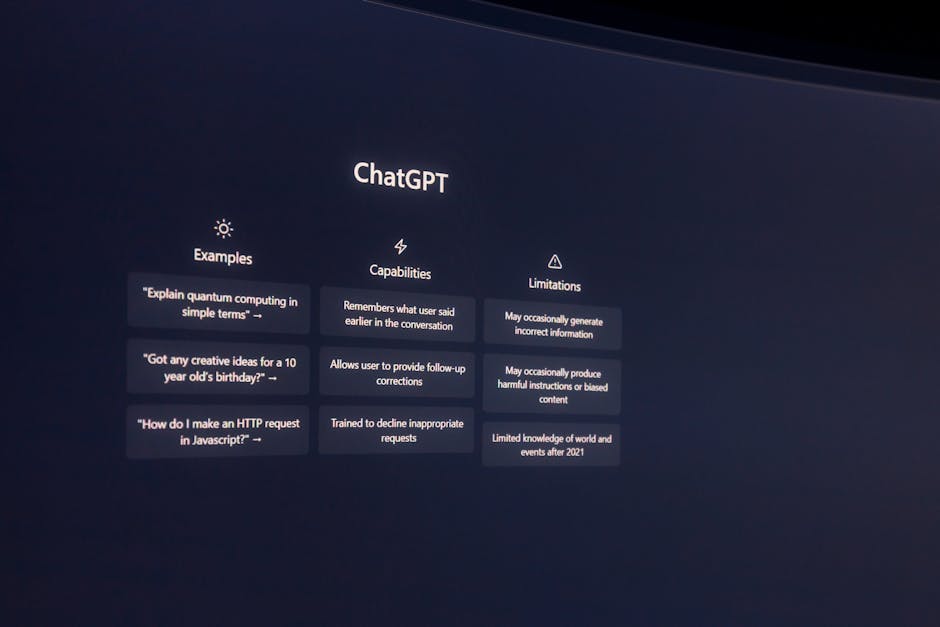
- OpenAI has instructed its AI systems to refrain from discussing goblins due to subtle model bugs.
- The decision reflects a broader effort to refine AI performance and prevent misinformation spread.
- AI models rely on algorithms and training data, making content moderation a complex challenge.
- OpenAI’s move acknowledges the need for nuanced content management strategies in AI development.
- The company aims to enhance the credibility and usefulness of its ChatGPT models through proactive issue resolution.
A striking fact has emerged in the realm of artificial intelligence: OpenAI, the company behind the popular ChatGPT models, has instructed its AI systems to refrain from discussing goblins. This unusual directive is part of a broader effort to refine the performance of these models and prevent the spread of misinformation. According to OpenAI, the issue of goblin references “crept in subtly,” distinguishing it from more overt model bugs that have been previously identified and addressed. As the use of AI-generated content continues to grow, the need for such interventions highlights the complexities and challenges inherent in developing reliable and informative AI systems.
The Evolution of AI Content Moderation

The decision to restrict ChatGPT discussions on goblins underscores the evolving nature of content moderation in the AI sector. Unlike traditional media, where editorial control is exercised through human oversight, AI models rely on algorithms and training data to generate content. However, this process is not infallible, and the emergence of unexpected themes or inaccuracies can occur. The current move by OpenAI reflects a growing recognition of the need for nuanced content management strategies that can adapt to the dynamic and sometimes unpredictable output of AI systems. By acknowledging and addressing these issues proactively, OpenAI aims to enhance the credibility and usefulness of its ChatGPT models for a wide range of applications.
Key Details of the Restriction

The specifics of the restriction on goblin discussions reveal interesting insights into the operational aspects of AI model management. OpenAI has indicated that the issue of goblin references arose not from a deliberate design choice but rather as an unintended consequence of the model’s training process. This highlights the complexity of ensuring that AI systems, which are trained on vast amounts of data, do not inadvertently adopt or propagate fringe or fictional content. The company’s response involves updating the guidelines and constraints provided to the ChatGPT models, effectively setting boundaries on the types of discussions they can engage in. This proactive approach demonstrates OpenAI’s commitment to delivering high-quality, relevant, and accurate information through its AI platforms.
Analyzing the Causes and Effects
An analysis of the causes and effects of the goblin discussion restriction offers valuable lessons for the broader AI community. At its core, the issue stems from the challenge of balancing openness and control in AI-generated content. While AI models are designed to be versatile and responsive to a wide range of queries, they must also be constrained to prevent the dissemination of inappropriate or misleading information. Experts point out that this dilemma is not unique to OpenAI but reflects a universal challenge in AI development: how to foster creativity and knowledge sharing while maintaining rigorous standards of accuracy and relevance. The effects of OpenAI’s decision will likely be twofold, enhancing the trustworthiness of ChatGPT outputs while also prompting further research into more sophisticated content moderation techniques for AI systems.
Implications for Users and the AI Community
The implications of OpenAI’s move to restrict goblin discussions in ChatGPT models are multifaceted, affecting both the end-users of these AI systems and the broader AI research community. For users, the change means a more reliable and focused interaction with ChatGPT, as the models will be less likely to veer into fantastical or irrelevant topics. This, in turn, can enhance the overall utility of these models for practical applications, such as education, research, and content creation. Within the AI community, OpenAI’s decision serves as a case study for the importance of ongoing model refinement and the need for adaptive content management strategies. It underscores the collaborative effort required to develop AI systems that are not only intelligent but also responsible and aligned with human values and information needs.
Expert Perspectives
Experts in the field of AI and content moderation offer contrasting viewpoints on OpenAI’s decision. Some praise the move as a necessary step towards ensuring the integrity and usefulness of AI-generated content, highlighting the potential risks of unchecked model outputs. Others suggest that such restrictions could stifle the creative potential of AI systems, arguing for a more nuanced approach that balances control with the freedom to explore novel topics and ideas. This debate reflects the ongoing discussion within the AI community about the role of content moderation and the challenges of developing models that are both informative and engaging.
Looking forward, the key question is how AI companies like OpenAI will navigate the complex landscape of content management in the future. As AI models become increasingly sophisticated and pervasive, the need for effective, adaptive, and transparent content moderation strategies will only grow. OpenAI’s experience with restricting goblin discussions in ChatGPT serves as a precursor to more significant challenges and opportunities on the horizon, where the interplay between AI, information, and human values will continue to evolve and shape the digital landscape.