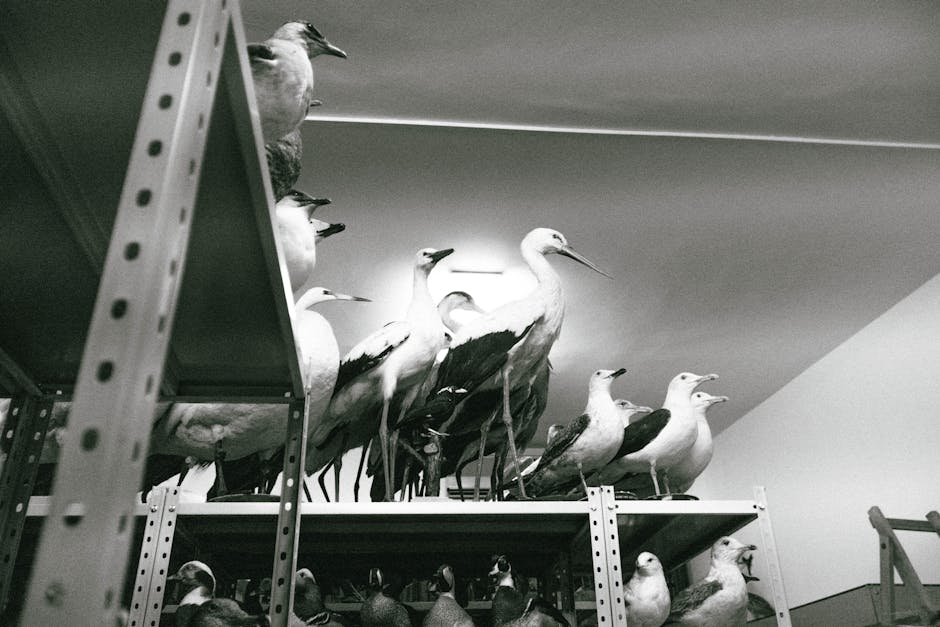
- The Zoological Society of London (ZSL) has been a pioneer in scientific discovery and conservation for 200 years, shaping the world’s understanding of animals.
- The ZSL has remained committed to promoting animal welfare and conservation, with its mission inspiring generations of scientists and the general public.
- The society’s early years were marked by significant events, including the death of Chunee the elephant in 1826, leading to a renewed focus on humane treatment of animals in captivity.
- The ZSL has been instrumental in discovering and classifying numerous species, with its vast collections and archives serving as a valuable resource for scientists and researchers.
- The ZSL’s conservation efforts have had a profound impact on the world, with the society playing a crucial role in protecting and preserving endangered species.
The Zoological Society of London (ZSL) has been a cornerstone of scientific discovery and conservation for 200 years, leaving an indelible mark on the world. Founded in 1826, the ZSL has been at the forefront of zoological research, education, and conservation, inspiring generations of scientists, artists, and the general public alike. From its humble beginnings to its current status as a world-renowned institution, the ZSL has remained committed to its mission of promoting the study and conservation of animals.
Early Years and Milestones

The ZSL’s early years were marked by significant events, including the death of Chunee the elephant in 1826, which led to a renewed focus on animal welfare and the need for more humane treatment of animals in captivity. This incident, along with the society’s founding, paved the way for the establishment of the London Zoo, which has since become a beacon for conservation and education. The ZSL has also been instrumental in the discovery and classification of numerous species, with its vast collections and archives serving as a valuable resource for scientists and researchers.
Conservation Efforts and Impact

The ZSL’s conservation efforts have had a profound impact on the world, with the society playing a crucial role in the protection and preservation of endangered species. The ZSL has been involved in various breeding programs, including the successful breeding of Sumatran tigers, with over a quarter of the world’s population originating from the society’s conservation efforts. The ZSL’s work extends beyond species conservation, with the society also addressing broader environmental issues, such as climate change, deforestation, and the impact of human activity on ecosystems.
What to Watch
As the ZSL looks to the future, it is expected to continue playing a leading role in conservation and scientific discovery. With its rich history and expertise, the society is well-positioned to address the complex challenges facing the natural world. The ZSL’s upcoming initiatives, including new research programs and conservation projects, are expected to build on its legacy of excellence, driving innovation and progress in the field of zoology. As the world grapples with the challenges of the 21st century, the ZSL remains a vital institution, dedicated to promoting a greater understanding and appreciation of the natural world.