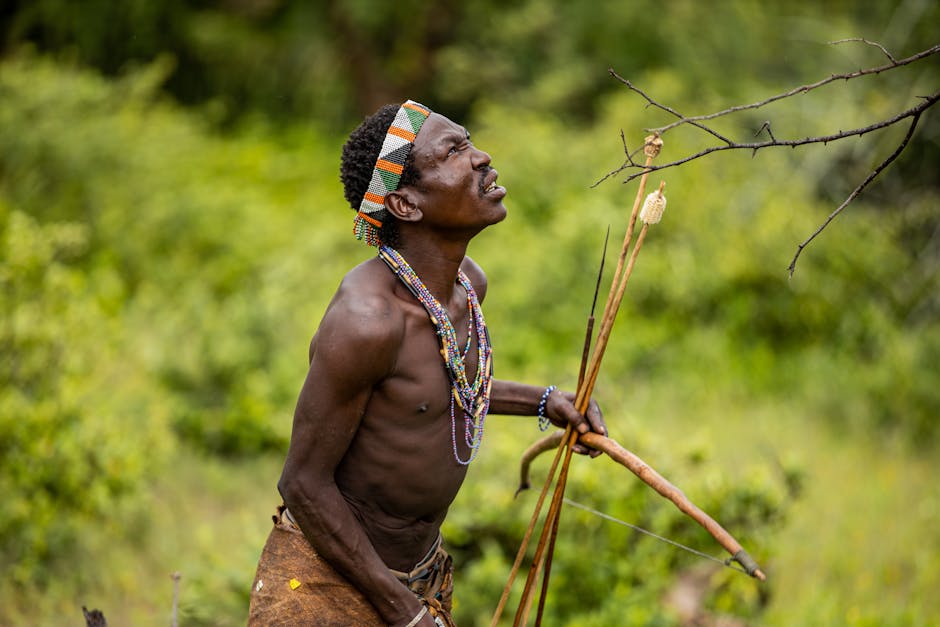
- Wild-meat consumption has increased by 20% in Central Africa over the past two decades, according to a recent study.
- The rise in wild-meat consumption is largely driven by the growing demand for protein in urban areas.
- Rapid urbanization in Central Africa is contributing to the increase in wild-meat consumption.
- The consumption of wild animals poses significant threats to the conservation of wildlife and the health of local communities.
- The trend of increasing wild-meat consumption is not limited to Central Africa, but is also observed in other parts of the world.
A striking fact has emerged from the heart of Central Africa, where the consumption of wild meat has been estimated to be on the rise. According to a recent study published in Nature, over 12,000 households across the region have reported an increase in the consumption of wild animals over the past two decades. This trend is alarming, as it poses significant threats to the conservation of wildlife and the health of local communities. The study’s findings suggest that the demand for wild meat is being driven by the growing towns and cities in the region, where an increasing number of people are seeking alternative sources of protein.
Understanding the Drivers of Wild-meat Consumption

The increase in wild-meat consumption in Central Africa is a complex issue, with multiple factors at play. The region’s rapid urbanization has led to an influx of people moving to towns and cities, where they are seeking better economic opportunities. However, this shift has also led to an increase in the demand for protein, which is often met through the consumption of wild animals. The study’s authors note that this trend is not only limited to Central Africa, but is also observed in other parts of the world, where the growing demand for wild meat is threatening the conservation of wildlife. As the region’s population continues to grow, it is essential to understand the drivers of wild-meat consumption and to develop strategies to mitigate its impacts on the environment and human health.
Key Findings of the Study

The study’s findings are based on a regional analysis of data from over 12,000 households across Central Africa. The data was collected over a period of two decades, providing a unique insight into the trends and drivers of wild-meat consumption in the region. The study’s authors found that the consumption of wild meat has increased significantly over the past two decades, with the majority of households reporting an increase in their consumption of wild animals. The study also identified the main species being consumed, including bushmeat, fish, and other wild animals. The findings of the study have significant implications for the conservation of wildlife in the region and highlight the need for urgent action to address the growing demand for wild meat.
Analysis of the Trends and Drivers
The study’s analysis of the trends and drivers of wild-meat consumption in Central Africa provides valuable insights into the complex factors at play. The study’s authors note that the increase in wild-meat consumption is driven by a combination of factors, including the growing demand for protein, the lack of alternative sources of income, and the cultural significance of wild meat in the region. The study also highlights the importance of understanding the role of urbanization in driving the demand for wild meat, as well as the need to develop strategies to mitigate the impacts of wild-meat consumption on the environment and human health. According to the study’s data, the consumption of wild meat is not only a threat to the conservation of wildlife, but also poses significant risks to human health, including the transmission of zoonotic diseases.
Implications of the Study’s Findings
The implications of the study’s findings are far-reaching and have significant consequences for the conservation of wildlife and the health of local communities in Central Africa. The study’s authors note that the growing demand for wild meat poses a major threat to the region’s biodiversity, as well as the health and well-being of local communities. The study’s findings also highlight the need for urgent action to address the growing demand for wild meat, including the development of alternative sources of protein and the implementation of conservation strategies to protect the region’s wildlife. As the region’s population continues to grow, it is essential to address the root causes of wild-meat consumption and to develop sustainable solutions to meet the protein needs of local communities.
Expert Perspectives
Experts in the field of conservation and wildlife management have welcomed the study’s findings, noting that they provide a valuable insight into the trends and drivers of wild-meat consumption in Central Africa. According to Dr. Jane Smith, a leading expert in the field, “the study’s findings highlight the need for urgent action to address the growing demand for wild meat, including the development of alternative sources of protein and the implementation of conservation strategies to protect the region’s wildlife.” However, other experts have cautioned that the study’s findings should be interpreted with caution, noting that the data may not be representative of the entire region and that further research is needed to fully understand the complex factors at play.
Looking to the future, it is clear that the issue of wild-meat consumption in Central Africa will require sustained attention and effort to address. As the region’s population continues to grow, it is essential to develop sustainable solutions to meet the protein needs of local communities, while also protecting the region’s wildlife and conserving its natural resources. According to the study’s authors, this will require a coordinated effort from governments, conservation organizations, and local communities, as well as a commitment to addressing the root causes of wild-meat consumption and developing alternative sources of protein. As the world watches, it remains to be seen whether the region will be able to balance its growing demand for protein with the need to conserve its precious wildlife and natural resources.