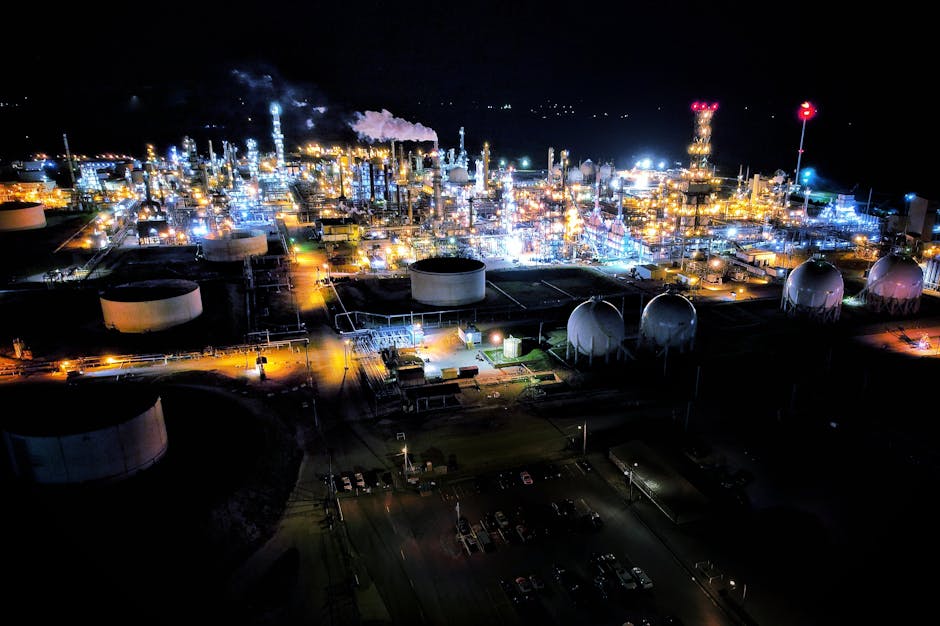
- Oil prices have surged to record highs due to the US siege of Iranian ports, raising fears of a long-term supply disruption.
- The Iran crisis has created a perfect storm for oil prices, exacerbating existing supply concerns in the global market.
- Iran is a key player in the global oil market, accounting for a significant proportion of the world’s crude oil exports.
- The global economy is vulnerable to a major oil price shock, which could exacerbate the ongoing recovery from the COVID-19 pandemic.
- The US blockade of Iranian ports has drawn in major oil-producing nations, international organisations, and global powers.
Oil prices have surged to record highs, with Brent crude exceeding $80 per barrel, as the US siege of Iranian ports raises fears of a long-term supply disruption. The sudden escalation of tensions between the US and Iran has sent shockwaves through the global oil market, prompting concerns about the potential impact on fuel supplies. With the US President meeting with oil firms to discuss ways to mitigate the effects of the blockade, the situation remains highly volatile, leaving investors and consumers on edge.
The Iran Crisis: A Perfect Storm for Oil Prices

The current crisis in the Middle East has created a perfect storm for oil prices, with the US blockade of Iranian ports exacerbating existing supply concerns. The situation has been further complicated by the fact that Iran is a key player in the global oil market, accounting for a significant proportion of the world’s crude oil exports. As a result, the potential disruption to supply lines has raised fears about the ability of other producers to fill the gap, sparking a surge in prices. With the global economy still recovering from the COVID-19 pandemic, the last thing it needs is a major oil price shock, making the situation all the more precarious.
Key Players and Interests

The US siege of Iranian ports has drawn in a range of key players, including major oil-producing nations, international organisations, and global powers. The US, in particular, has been at the forefront of efforts to isolate Iran, imposing strict sanctions on the country’s oil exports. However, the move has been met with resistance from other nations, including China and the European Union, which have significant economic interests in the region. As the situation continues to unfold, it remains to be seen how these competing interests will play out, and what the ultimate impact will be on the global oil market. With the US President meeting with oil firms to discuss ways to minimise the impact on fuel supplies, it is clear that the stakes are high, and the situation will require careful management to avoid a major crisis.
Analysis and Projections
Analysts have warned that the current crisis could have far-reaching consequences for the global oil market, with some predicting that prices could rise even higher in the coming months. The situation is being closely monitored by oil traders and investors, who are keenly aware of the potential risks and opportunities presented by the crisis. According to some estimates, the US blockade of Iranian ports could result in a reduction of up to 1 million barrels per day in global oil supplies, which would put significant upward pressure on prices. However, others have cautioned that the situation is highly unpredictable, and that a range of factors, including the response of other oil-producing nations and the effectiveness of US efforts to mitigate the impact, will ultimately determine the outcome.
Implications and Consequences
The implications of the current crisis are far-reaching, with the potential to affect not only the global oil market but also the broader economy. Consumers, in particular, are likely to feel the pinch, as higher oil prices feed through to higher prices for fuel and other petroleum products. The situation is also likely to have significant geopolitical implications, with the potential to exacerbate existing tensions between nations and create new flashpoints. As the situation continues to unfold, it is clear that the stakes are high, and that the world will be watching closely to see how the crisis is managed and what the ultimate consequences will be.
Expert Perspectives
Experts have offered contrasting viewpoints on the current crisis, with some warning of the potential for a major oil price shock and others arguing that the situation is more contained. According to Dr. Fatih Birol, Executive Director of the International Energy Agency, the current crisis has the potential to be a major disruptor to the global oil market, with significant implications for prices and supplies. However, others, such as Daniel Yergin, Vice Chairman of IHS Markit, have cautioned that the situation is highly unpredictable, and that a range of factors will ultimately determine the outcome. As the situation continues to unfold, it is clear that expert opinions will play a critical role in shaping our understanding of the crisis and its potential consequences.
Looking ahead, the key question is what the US and other nations will do to address the crisis and mitigate its impact on the global oil market. Will the US be able to find a way to contain the situation, or will the crisis continue to escalate, with potentially disastrous consequences for the global economy? As the world waits with bated breath to see how the situation will unfold, one thing is clear: the stakes are high, and the consequences of inaction could be severe. With the US President meeting with oil firms to discuss ways to minimise the impact on fuel supplies, it is clear that the situation is being taken seriously, and that efforts are being made to find a solution to the crisis.