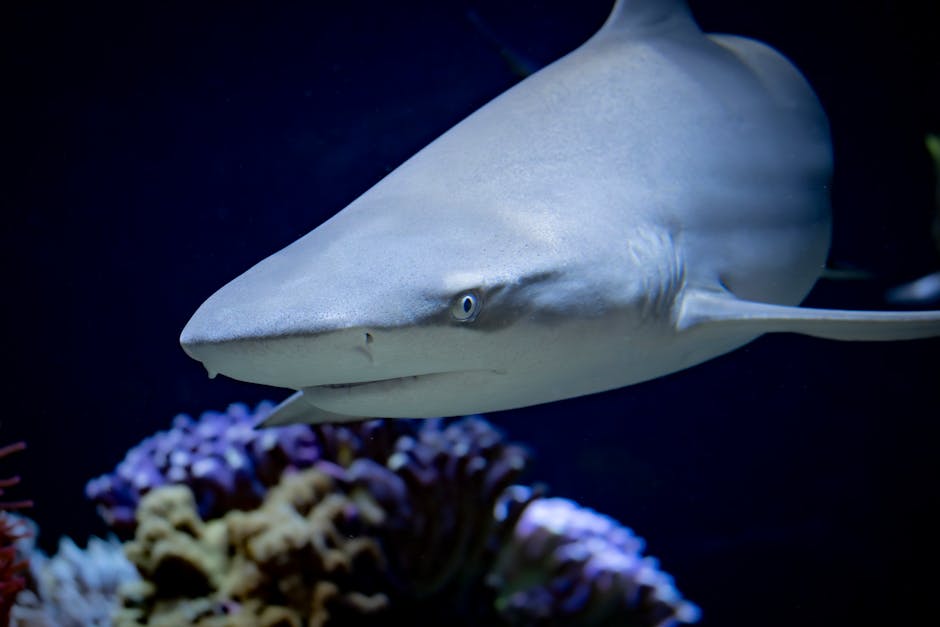
- Over one-third of the world’s shark and ray species are threatened with extinction, highlighting the urgent need for marine conservation.
- Sharks and rays play a crucial role in maintaining the health of our oceans, making their preservation essential for ecosystem balance.
- The Gulf of Corinth in Greece is a biodiverse hotspot with a unique geography that supports an array of marine life.
- Local fishers are crucial to conservation efforts in the Gulf of Corinth, bringing essential knowledge and cooperation to marine management.
- Collaboration between scientists, researchers, and local communities is key to protecting the delicate balance of the Gulf of Corinth’s ecosystem.
A striking fact highlights the urgent need for marine conservation: according to the International Union for Conservation of Nature, over one-third of the world’s shark and ray species are threatened with extinction. This alarming statistic underscores the importance of preserving these apex predators, which play a crucial role in maintaining the health of our oceans. In the Gulf of Corinth, Greece, a unique conservation effort is underway, focusing on the intersection of human livelihoods and marine life preservation. By working alongside local fishers, conservationist Roxani Naasan Aga-Spyridopoulou is dedicated to securing the future survival of these magnificent creatures.
The Gulf of Corinth: A Biodiverse Hotspot

The Gulf of Corinth, a narrow inlet of the Ionian Sea, is renowned for its exceptional biodiversity. This region is home to a wide range of marine species, including several types of sharks and rays. The gulf’s unique geography, with its narrow entrance and limited water exchange, creates a distinct ecosystem that supports an array of marine life. As a result, the Gulf of Corinth has become a critical area for conservation efforts, with scientists and researchers working to protect the region’s delicate balance. The involvement of local fishers in these conservation initiatives is crucial, as their knowledge and cooperation are essential for effective marine management.
Collaboration and Conservation

Roxani Naasan Aga-Spyridopoulou’s work in the Gulf of Corinth is centered on building relationships with local fishers, who are often the primary source of information on marine species and their habitats. By working together, Aga-Spyridopoulou and the fishers are able to gather vital data on shark and ray populations, including their migration patterns, feeding habits, and population sizes. This collaborative approach not only fosters a sense of community but also ensures that conservation efforts are tailored to the specific needs of the region. The fishers, in turn, benefit from the conservation initiatives, as sustainable fishing practices help maintain the long-term health of the marine ecosystem, ultimately supporting their livelihoods.
Understanding the Threats
The primary threats to shark and ray populations in the Gulf of Corinth are overfishing and habitat degradation. The use of destructive fishing gear, such as bottom trawls and longlines, can devastate marine habitats, while the targeted fishing of sharks and rays for their meat, fins, and liver oil exacerbates population declines. Climate change also plays a role, as alterations in ocean temperatures and chemistry affect the distribution and abundance of prey species, making it challenging for sharks and rays to adapt. To address these issues, Aga-Spyridopoulou and her team are working to develop and implement effective conservation strategies, including the establishment of marine protected areas and the promotion of sustainable fishing practices.
Conservation Implications
The conservation of sharks and rays in the Gulf of Corinth has far-reaching implications, extending beyond the local community to the global ecosystem. As apex predators, sharks and rays play a vital role in maintaining the balance of the marine food chain, and their loss can have cascading effects on the entire ecosystem. The preservation of these species also has significant economic benefits, as sustainable tourism and fishing practices can generate income and support local livelihoods. Furthermore, the conservation of sharks and rays can serve as a model for other marine conservation efforts, demonstrating the effectiveness of collaborative approaches and community-led initiatives.
Expert Perspectives
Experts in the field of marine conservation emphasize the importance of community-led initiatives, such as Aga-Spyridopoulou’s work in the Gulf of Corinth. By engaging local stakeholders and incorporating their knowledge and concerns into conservation efforts, it is possible to develop effective, long-term solutions for marine conservation. However, some experts also caution that conservation initiatives must be carefully balanced with the needs of local communities, ensuring that the benefits of conservation are shared equitably and that the livelihoods of fishers and their families are not compromised.
As the conservation effort in the Gulf of Corinth continues to evolve, it is essential to monitor its progress and address emerging challenges. Looking ahead, one of the key questions is how to scale up community-led conservation initiatives, such as Aga-Spyridopoulou’s work, to achieve greater impact and address the global decline of shark and ray populations. By supporting and amplifying these efforts, it may be possible to create a tipping point for marine conservation, ultimately securing the future survival of these incredible species and the ecosystems they inhabit.