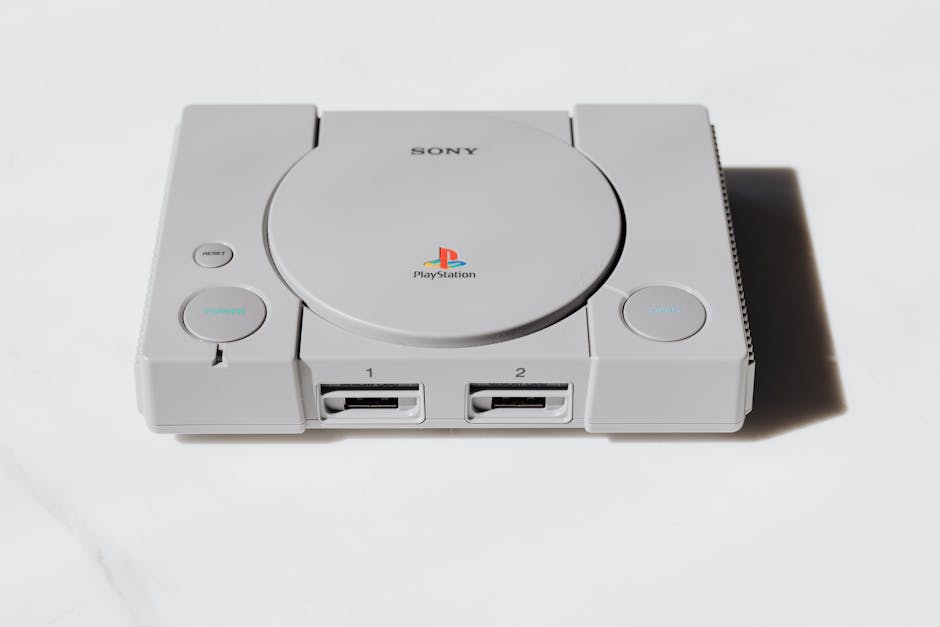
- Sony’s PlayStation 5 has sold over 50 million units worldwide, making digital game purchases a cornerstone of its ecosystem.
- A recent update sparked controversy over mandatory online authentication for game access, fueling concerns about digital rights management.
- Sony clarified that no recurring check-in is required to maintain access to digital games, but the incident highlights growing unease over platform control and consumer ownership.
- The backlash highlights a broader tension between platform control and consumer ownership, particularly as more players rely on digital libraries.
- Physical media is increasingly obsolete, making the debate over digital rights management more pressing than ever.
More than 50 million PlayStation 5 units have been sold worldwide, making digital game purchases a cornerstone of Sony’s ecosystem — but a recent update has shaken consumer trust. Following widespread reports of mandatory online authentication for game access, users feared they could permanently lose games if their consoles went offline for 30 days. While Sony has since clarified that no recurring check-in is required, the controversy underscores growing unease over digital rights management in an era where physical media is increasingly obsolete. The backlash highlights a broader tension between platform control and consumer ownership, particularly as more players rely on digital libraries they may not fully control.
The Truth Behind the 30-Day Myth

Amid mounting speculation, Sony officially confirmed that PlayStation 5 and PlayStation 4 consoles do not require users to go online every 30 days to maintain access to their digital games. The confusion arose after users noticed a new prompt during setup or after system updates, requesting a one-time online verification to confirm ownership of digitally purchased titles. This check applies primarily when transferring a library to a new console or restoring data after a reset. Once verified, offline access remains fully functional, with no recurring authentication needed. However, the lack of clear communication from Sony allowed misinformation to spread rapidly across gaming forums and social media, fueling fears of a shift toward stricter digital control.
How the DRM System Actually Works

The current PlayStation DRM framework ties digital game licenses to a user’s PlayStation Network (PSN) account, not the console itself. When a user buys a game from the PlayStation Store, they are granted a license to play it, which is stored on Sony’s servers. This license can be activated on a primary console, allowing all users on that device to access the game. If a user switches consoles or reinstalls their system, a one-time internet connection is required to revalidate those licenses. This process is not new — it has existed since the PS3 era — but the latest UI changes made the verification step more prominent, leading many to believe the policy had changed. According to The Verge, Sony has not altered its core DRM policy with recent updates.
Consumer Backlash and Digital Ownership Concerns

The uproar reflects deeper anxieties about the fragility of digital ownership in modern gaming. Unlike physical discs, which can be played indefinitely without external validation, digital games depend on corporate infrastructure that may change or disappear. Critics argue that even a one-time check sets a precedent for future restrictions. In 2023, a PC Gamer report highlighted a Sony patent describing potential systems that could limit access based on usage patterns or account activity, further stoking fears. Consumer advocacy groups like the Electronic Frontier Foundation have long warned that digital licensing models erode traditional ownership rights, turning purchases into temporary permissions subject to corporate discretion.
Implications for Gamers and the Industry

While the current policy doesn’t impose ongoing online requirements, it reinforces the reality that digital game libraries are only as secure as the companies that host them. Gamers who rely on older consoles, live in regions with unstable internet, or prefer offline play are particularly vulnerable. If Sony were to shut down PSN services in the future — as it did with PlayStation Home in 2015 — users could lose access to their digital purchases. This scenario is not hypothetical: in 2020, Sony removed hundreds of games from the PlayStation Store without offering refunds, leaving some players unable to re-download titles they had previously bought. As the industry moves toward all-digital consoles, such as the PS5 Digital Edition, these risks become more systemic.
Expert Perspectives
Industry analysts are divided on the implications. Some, like Piers Harding-Rolls of Ampere Analysis, argue that online verification is a necessary measure to prevent piracy and enable cloud-based services. “Digital rights management is inevitable in a connected ecosystem,” he said in a recent interview. Others, including digital rights lawyer Armin Herlinghaus, warn that transparency is critical. “Consumers need clear, accessible information about what they own and under what conditions,” Herlinghaus noted, emphasizing that current terms of service often obscure these details in lengthy legal agreements.
Looking ahead, the key question is whether Sony will improve communication around its policies or move toward more restrictive models. As cloud gaming and subscription services like PlayStation Plus expand, the line between ownership and access will continue to blur. Gamers should expect more authentication steps, not fewer. The real test will be whether Sony can balance security and convenience without alienating its loyal user base. One thing is certain: in the digital age, owning a game may mean something very different than it once did.
Source: The Verge