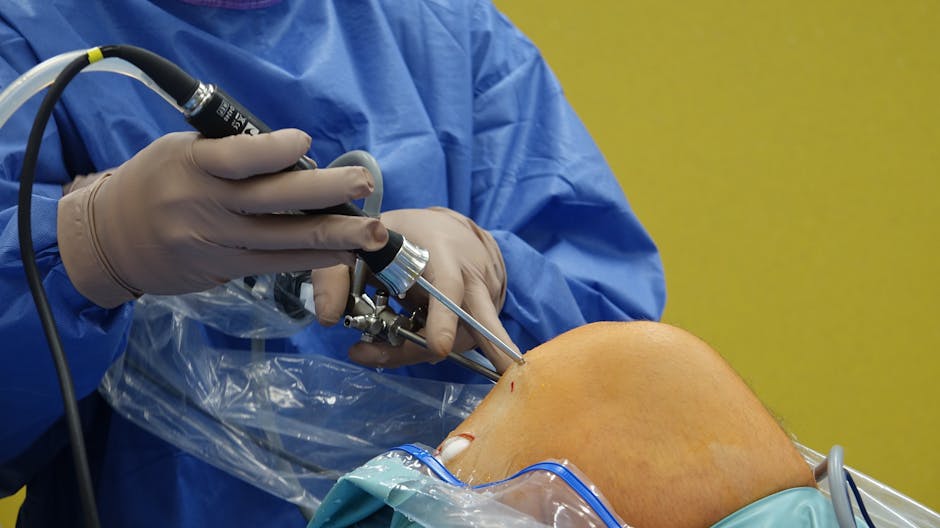
- A new study suggests that knee surgery for cartilage damage may not be as effective as previously thought in improving knee function and alleviating osteoarthritis.
- The study found that patients who underwent surgery experienced poorer knee function and worse osteoarthritis after 10 years compared to those who did not receive the surgery.
- The study’s findings have significant implications for the millions of people who suffer from cartilage damage and are considering surgical options.
- The study focused on a common knee surgery known as a partial meniscectomy, which involves removing the damaged portion of the meniscus.
- The study suggests that patients may be better off exploring alternative treatment options for cartilage damage rather than undergoing surgery.
A striking fact has emerged from a recent medical study: knee surgery for cartilage damage may not be as effective as previously thought. In fact, the study suggests that patients who undergo this type of surgery may experience poorer knee function and worse osteoarthritis after 10 years compared to those who do not receive the surgery. This finding has significant implications for the millions of people who suffer from cartilage damage and are considering surgical options.
The Current State of Knee Surgery

The study in question focused on a common knee surgery known as a partial meniscectomy, which is used to treat meniscus tears. The meniscus is a piece of cartilage in the knee joint that can become damaged due to injury or wear and tear. The surgery involves removing the damaged portion of the meniscus, with the goal of alleviating pain and improving knee function. However, the new study suggests that this surgery may not be as beneficial as previously thought, and that patients may be better off exploring alternative treatment options.
Key Findings of the Study

The study tracked the outcomes of patients who underwent partial meniscectomy and compared them to patients who received sham surgery, in which no actual procedure was performed. The results were surprising: after 10 years, the patients who had received the actual surgery had poorer knee function and worse osteoarthritis than those who had received the sham surgery. This suggests that the surgery may not only be ineffective but may actually be causing harm to patients. The study’s findings have significant implications for the medical community and for patients who are considering this type of surgery.
Analysis of the Results
So why might knee surgery for cartilage damage be ineffective? One possible reason is that the surgery may not be addressing the underlying causes of the cartilage damage. For example, if the damage is due to wear and tear, removing the damaged portion of the meniscus may not prevent further damage from occurring. Additionally, the surgery itself may cause damage to the surrounding tissue, leading to worse outcomes over time. The study’s findings highlight the need for further research into the causes of cartilage damage and the development of more effective treatment options.
Implications of the Study
The implications of the study are significant. For patients who are considering knee surgery for cartilage damage, the findings suggest that they may want to explore alternative treatment options, such as physical therapy or pain management. For the medical community, the study highlights the need for further research into the effectiveness of knee surgery and the development of more effective treatment options. The study’s findings also have implications for healthcare policy, as they suggest that knee surgery for cartilage damage may not be a cost-effective treatment option.
Expert Perspectives
Experts in the field have weighed in on the study’s findings, with some expressing surprise and others saying that the results are consistent with their own experiences. “The study’s findings are not surprising to me,” said one orthopedic surgeon. “I have seen many patients who have undergone knee surgery for cartilage damage only to experience poor outcomes. I think this study highlights the need for us to rethink our approach to treating this condition.” Another expert noted that the study’s findings have significant implications for the development of new treatments for cartilage damage.
As the medical community continues to grapple with the study’s findings, one thing is clear: the treatment of cartilage damage is an area that is in need of further research and innovation. The study’s findings raise important questions about the effectiveness of current treatment options and highlight the need for the development of new and more effective treatments. As researchers and clinicians move forward, they will be watching to see how the study’s findings impact the field and what new developments emerge as a result.