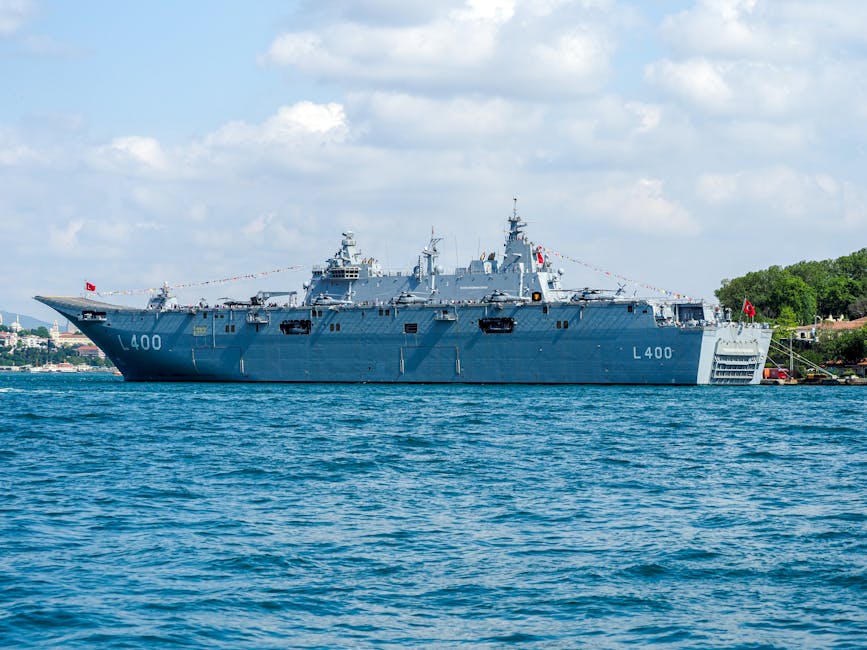
- Israel intercepted a Gaza-bound aid ship in international waters, sparking condemnation from humanitarian organizations.
- The blockade of Gaza has been in place since 2007, with proponents arguing it prevents weapon smuggling, but critics say it punishes civilians.
- The blockade has had devastating impacts on the civilian population, including widespread poverty, unemployment, and shortages of essential goods.
- Critics argue that the blockade also hurts Gaza’s economy, with businesses unable to operate due to lack of access to raw materials and markets.
- The incident highlights the need for a lasting solution to the conflict, with many calling for an end to the blockade and resumption of peace talks.
The Israeli military has intercepted a Gaza-bound aid ship in international waters, sparking widespread condemnation from humanitarian organizations and sparking a heated debate about the legality of the blockade. According to eyewitnesses, Israeli speedboats surrounded the vessel, which was carrying essential supplies, including food and medicine, to the besieged Gaza Strip. The incident has raised concerns about the impact of the blockade on the civilian population in Gaza, with many arguing that it constitutes a form of collective punishment. The aid ship, which was sailing under the flag of a European country, was reportedly intercepted approximately 20 miles off the coast of Gaza.
Background to the Blockade

The blockade of Gaza, which has been in place since 2007, is a highly contentious issue, with proponents arguing that it is necessary to prevent the smuggling of weapons and materials that could be used to build tunnels and other infrastructure by militant groups. However, critics argue that the blockade has had a devastating impact on the civilian population, with widespread poverty, unemployment, and shortages of essential goods. The blockade has also been criticized for its impact on the economy, with many businesses unable to operate due to the lack of access to raw materials and markets. The incident has highlighted the need for a lasting solution to the conflict, with many calling for an end to the blockade and a resumption of peace talks.
The Incident Unfolds

According to reports, the aid ship was intercepted by Israeli speedboats at approximately 10am local time. The vessel, which was crewed by a team of international activists and aid workers, was reportedly carrying a cargo of humanitarian supplies, including food, medicine, and building materials. The Israeli military has stated that the ship was intercepted because it had not obtained the necessary permits to dock in Gaza, although the ship’s crew has disputed this claim, arguing that they had followed all the necessary procedures. The incident has sparked a diplomatic row, with several countries condemning the Israeli action and calling for an investigation into the incident.
Analysis of the Blockade
The blockade of Gaza is a complex issue, with both sides presenting compelling arguments. While Israel argues that the blockade is necessary to prevent the smuggling of weapons and materials, critics argue that it has had a disproportionate impact on the civilian population. The blockade has also been criticized for its impact on the economy, with many businesses unable to operate due to the lack of access to raw materials and markets. Furthermore, the blockade has been criticized for its impact on the environment, with many arguing that it has contributed to the pollution of the Mediterranean Sea. The incident has highlighted the need for a more nuanced approach to the conflict, with many calling for a lifting of the blockade and a resumption of peace talks.
Implications of the Blockade
The implications of the blockade are far-reaching, with many arguing that it has contributed to the poverty and unemployment that plague the Gaza Strip. The blockade has also had a significant impact on the mental health of the population, with many reporting feelings of isolation and desperation. Furthermore, the blockade has been criticized for its impact on the education and healthcare systems, with many arguing that it has prevented the importation of essential supplies and equipment. The incident has sparked widespread condemnation, with many calling for an end to the blockade and a resumption of peace talks.
Expert Perspectives
Experts have presented contrasting viewpoints on the incident, with some arguing that the Israeli action was justified, while others have condemned it as a form of collective punishment. “The blockade is a necessary measure to prevent the smuggling of weapons and materials,” argued one expert. “However, it is also important to ensure that the civilian population is not disproportionately affected,” they added. Another expert argued that the blockade was a form of collective punishment, stating that “it is unacceptable to punish an entire population for the actions of a few militants.” The incident has highlighted the need for a more nuanced approach to the conflict, with many calling for a lifting of the blockade and a resumption of peace talks.
As the situation continues to unfold, many are left wondering what the future holds for the people of Gaza. Will the international community be able to pressure Israel into lifting the blockade, or will the situation continue to deteriorate? One thing is certain, however: the people of Gaza will continue to suffer until a lasting solution is found. The incident has sparked a heated debate about the role of the international community in resolving the conflict, with many calling for increased pressure on Israel to lift the blockade. As the world watches, one thing is clear: the situation in Gaza is a humanitarian crisis that requires immediate attention and action.