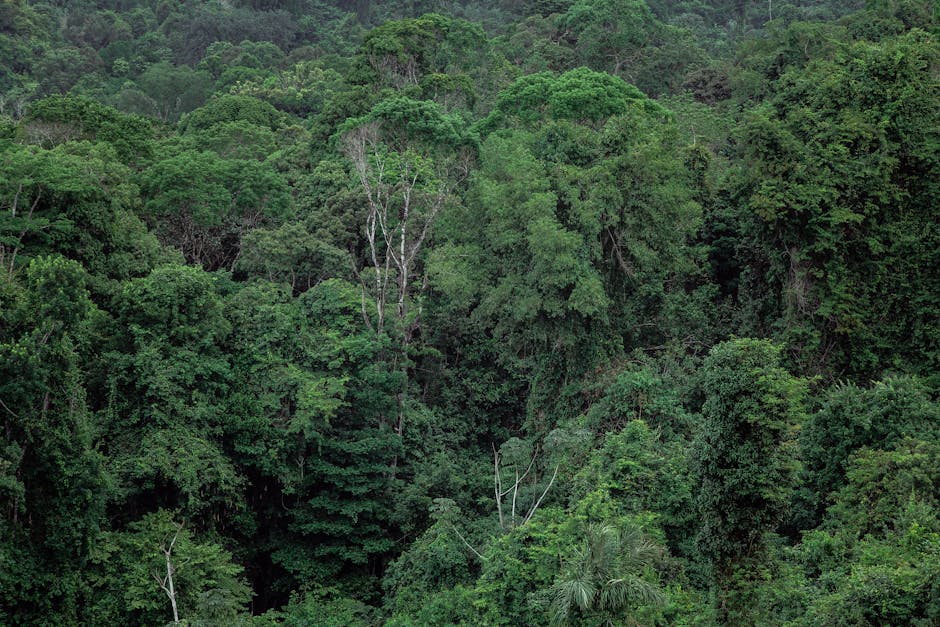
- Tropical rainforests continue to disappear at an alarming rate, with 3.8 million hectares lost in 2022.
- The decline in deforestation is not a reason for celebration, as the pace of deforestation remains high.
- Deforestation has severe consequences, including increased greenhouse gas emissions and diminished water quality.
- Agricultural expansion and logging are the main drivers of deforestation, with soybean and palm oil production being significant factors.
- The threat of El Niño-induced fires could undermine progress made in reducing deforestation.
The world’s tropical rainforests, often referred to as the lungs of the Earth, are disappearing at a rate that has significant implications for the environment and climate change. According to recent data, the loss of these vital ecosystems slowed down last year, with an estimated 3.8 million hectares of tropical rainforest lost in 2022, down from 4.3 million hectares in 2021. While this decline is a positive development, scientists warn that the pace of deforestation remains alarmingly high, and the threat of El Niño-induced fires could undermine this progress.
Tropical Rainforests Under Threat

The preservation of tropical rainforests is crucial for maintaining biodiversity, regulating the climate, and supporting local communities. These ecosystems are home to a vast array of plant and animal species, many of which are found nowhere else on Earth. However, the pressures of agricultural expansion, urbanization, and logging have led to widespread deforestation, resulting in the loss of millions of hectares of forestland over the past few decades. The consequences of this destruction are far-reaching, from increased greenhouse gas emissions to diminished water quality and reduced soil fertility.
Causes of Deforestation

The main drivers of deforestation vary by region, but the clearing of land for agricultural purposes, such as soybean and palm oil production, is a significant factor. In addition, the extraction of timber and other forest products has led to the degradation of many tropical rainforests. The impact of these activities is often exacerbated by government policies and lack of enforcement, which can create an environment conducive to deforestation. Furthermore, the economic benefits of deforestation, such as increased revenue from agricultural exports, can outweigh the costs, at least in the short term, making it a challenging issue to address.
Consequences of Deforestation
The consequences of deforestation are multifaceted and have significant implications for both the environment and human societies. The loss of tropical rainforests contributes to climate change by releasing stored carbon into the atmosphere and reducing the ability of forests to act as carbon sinks. Deforestation also leads to soil erosion, decreased water quality, and reduced biodiversity, all of which can have devastating effects on local ecosystems and the people who depend on them. Moreover, the destruction of forests can have negative impacts on indigenous communities, who often rely on these ecosystems for their livelihoods and cultural practices.
Implications of El Niño
The potential for El Niño-induced fires to threaten the progress made in reducing deforestation is a pressing concern. El Niño events, which occur when the surface temperature of the Pacific Ocean warms up more than usual, can lead to drought conditions in many tropical regions, creating an environment conducive to wildfires. These fires can spread quickly, fueled by dry vegetation and strong winds, and can have catastrophic consequences for forests and the people who live and work in them. The threat of El Niño fires highlights the need for continued vigilance and action to protect the world’s tropical rainforests.
Expert Perspectives
Scientists and conservationists have differing opinions on the most effective strategies for reducing deforestation and protecting tropical rainforests. Some argue that sustainable land-use practices, such as agroforestry and permaculture, can help to reduce the pressure on forests while still meeting the needs of local communities. Others emphasize the importance of strengthening laws and enforcement mechanisms to prevent deforestation and promote reforestation efforts. Despite these differences, there is a broad consensus on the need for urgent action to address the scale and pace of deforestation.
Looking ahead, it is essential to monitor the situation closely and be prepared to respond to any increases in deforestation or forest fires. This will require continued investment in conservation efforts, as well as support for research and development of new technologies and strategies for sustainable land use. By working together, governments, civil society, and the private sector can help to protect the world’s tropical rainforests and ensure a more sustainable future for all.