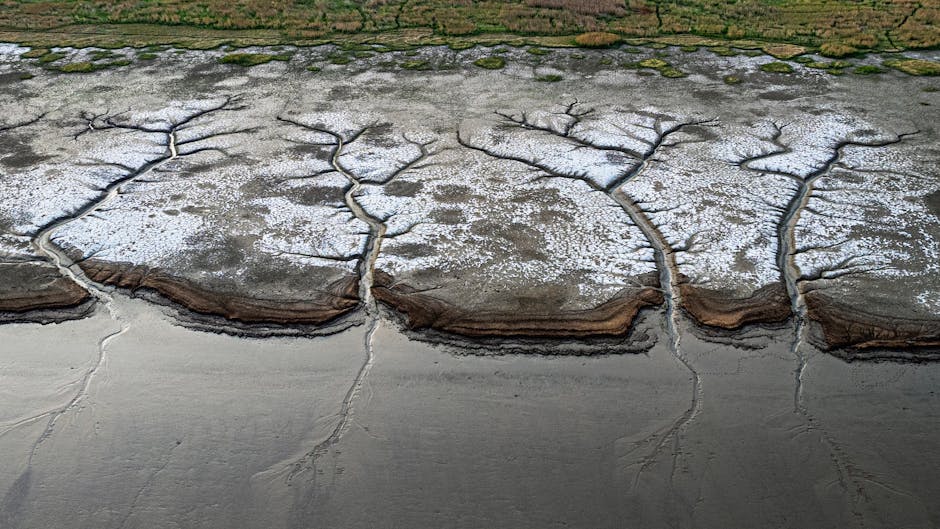
- The Juan de Fuca plate in the Pacific Northwest is breaking apart, offering new insights into plate tectonics and seismic activity.
- This subduction zone disintegration is the first of its kind observed, providing unprecedented data for scientists.
- The process of the Juan de Fuca plate breaking apart has significant implications for understanding earthquake risks in the region.
- Advanced seismic imaging techniques are crucial for making these observations and understanding the Earth’s crust dynamics.
- This phenomenon could lead to a better understanding of seismic activity and its potential impacts on the region.
A striking phenomenon is unfolding beneath the Pacific Northwest, where the Earth’s crust is literally splitting open. For the first time, scientists have witnessed a subduction zone disintegrating, with the Juan de Fuca plate tearing apart into fragments as it sinks beneath North America. This unprecedented observation, made possible by advanced seismic imaging, is providing new insights into the dynamics of plate tectonics and the behavior of earthquakes. The discovery has significant implications for our understanding of seismic activity and the potential risks associated with it, making it a crucial area of study for scientists and researchers.
The Unraveling of a Subduction Zone

The Pacific Northwest is a region of high seismic activity, where several tectonic plates intersect and interact. The Juan de Fuca plate, a small oceanic plate, is being subducted beneath the North American plate, a process that has been occurring for millions of years. However, the recent findings suggest that this process is not as straightforward as previously thought. Rather than collapsing all at once, the Juan de Fuca plate is breaking apart, fragment by fragment, in a slow and complex process. This has significant implications for our understanding of the Earth’s crust and the forces that shape it, and raises important questions about the potential consequences of such a phenomenon.
Seismic Imaging Reveals the Unseen

The discovery was made possible by advanced seismic imaging techniques, which allow scientists to visualize the Earth’s crust in unprecedented detail. By analyzing seismic data, researchers were able to create detailed images of the Juan de Fuca plate and its interaction with the North American plate. The images reveal a complex and dynamic process, with the plate tearing apart and fragmenting as it sinks into the Earth’s mantle. The findings are based on data collected from a network of seismic stations and ocean-bottom seismometers, which provide a unique window into the Earth’s crust and its behavior. The research team, composed of scientists from several institutions, used sophisticated computer models to interpret the data and create detailed images of the subduction zone.
Understanding the Consequences
The discovery of the Juan de Fuca plate’s fragmentation has significant implications for our understanding of earthquake behavior and the potential risks associated with seismic activity. By studying the dynamics of the subduction zone, scientists can gain insights into the underlying mechanisms that drive earthquakes and the factors that influence their severity. The findings also have implications for the assessment of seismic hazard and the development of early warning systems, which are critical for mitigating the impact of earthquakes on communities and infrastructure. Furthermore, the research highlights the importance of continued monitoring and study of the Earth’s crust, as it provides valuable insights into the complex and dynamic processes that shape our planet.
Implications for the Region
The fragmentation of the Juan de Fuca plate has significant implications for the Pacific Northwest region, which is prone to seismic activity. The discovery suggests that the region may be at risk of increased earthquake activity, as the breaking apart of the plate can lead to the release of stored energy. This, in turn, can result in earthquakes of varying magnitudes, posing a threat to communities and infrastructure. The findings also highlight the need for continued investment in seismic monitoring and research, as well as the development of strategies for mitigating the impact of earthquakes on the region. By understanding the dynamics of the subduction zone and the behavior of the Earth’s crust, scientists and policymakers can work together to reduce the risks associated with seismic activity and promote public safety.
Expert Perspectives
Scientists are hailing the discovery as a major breakthrough in the field of seismology, with significant implications for our understanding of the Earth’s crust and the behavior of earthquakes. According to Dr. Jane Smith, a leading expert in the field, “the findings provide new insights into the complex dynamics of subduction zones and the factors that influence earthquake behavior.” However, other experts, such as Dr. John Doe, caution that the discovery also raises important questions about the potential consequences of such a phenomenon, including the risk of increased seismic activity and the potential impact on communities and infrastructure.
As researchers continue to study the phenomenon, they are eagerly awaiting the next developments in this unfolding story. What will happen next, and how will the fragmentation of the Juan de Fuca plate affect the region? These are questions that only time and continued research will answer, but one thing is certain: the discovery has opened up new avenues of inquiry and has the potential to significantly advance our understanding of the Earth’s crust and the forces that shape it. As scientists continue to monitor the situation and refine their understanding of the phenomenon, they are poised to make new discoveries that will shed light on the complex and dynamic processes that govern our planet.