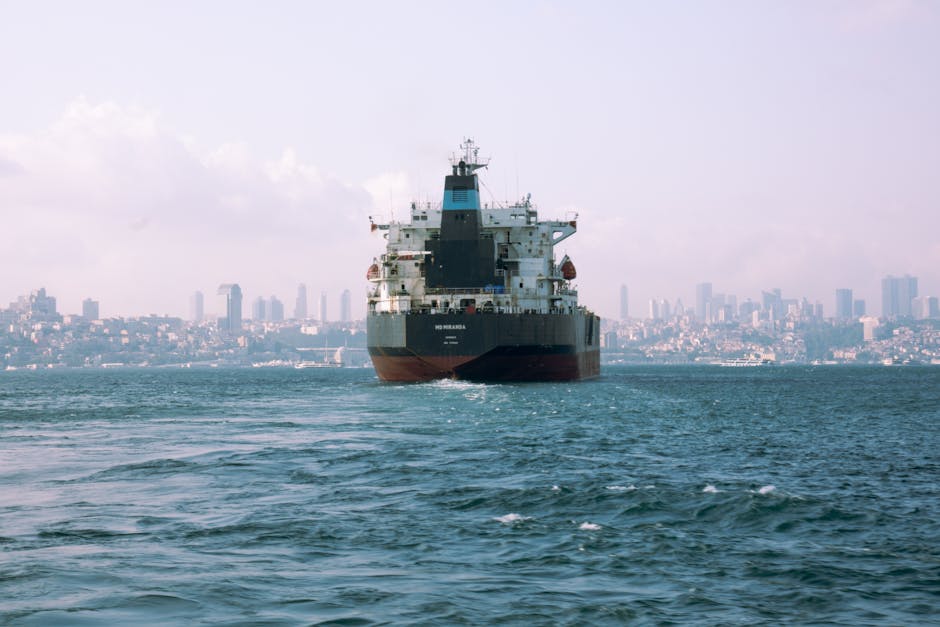
- Escalating conflict in the Strait of Hormuz has led to soaring oil prices and disrupted global trade.
- A humanitarian corridor is urgently needed to address the crisis, allowing aid to reach millions in need.
- The blockade in the Strait of Hormuz is preventing essential goods like food, fuel, and medicine from reaching vulnerable populations.
- The situation is particularly dire for countries in the Middle East and Africa reliant on imports for basic necessities.
- Establishing a humanitarian corridor could mitigate the impact of the crisis on global trade and humanitarian aid.
Soaring oil prices and the blockade in the Strait of Hormuz are preventing food, fuel, and medicine from reaching millions of people in desperate need, according to a coalition of international non-governmental organizations (NGOs). The conflict between the United States, Israel, and Iran has escalated to unprecedented levels, with the Strait of Hormuz, a critical global oil shipping route, becoming a focal point of tension and disruption. The humanitarian crisis is mounting, and the need for a solution is more urgent than ever.
The Impact of the Conflict on Global Trade

The volatility of global oil prices, driven by the ongoing war, has had far-reaching consequences. The Strait of Hormuz, through which approximately 30% of the world’s seaborne oil passes, has seen a significant increase in maritime security risks. This has led to a sharp rise in insurance premiums and transportation costs for ships navigating the area. As a result, many commercial vessels are rerouting, causing delays and increased expenses that are ultimately passed on to consumers and aid organizations alike. The situation is particularly dire for countries in the Middle East and Africa, which rely heavily on imports for basic necessities.
Urgent Need for a Humanitarian Corridor

Now, a coalition of aid organizations, including the International Red Cross, Médecins Sans Frontières (MSF), and the World Food Programme (WFP), is calling for the establishment of a humanitarian corridor through the Strait of Hormuz. This corridor would ensure the safe and efficient passage of essential goods, such as food, fuel, and medical supplies, to regions affected by the conflict. The proposal comes as the blockade and increased maritime security measures have severely hampered the ability of aid agencies to deliver critical assistance, particularly to vulnerable populations in Iran, Yemen, and other neighboring countries.
The Human Cost of the Blockade
The blockade has had a devastating impact on the most vulnerable populations. In Iran, where the healthcare system is already under strain due to economic sanctions and the ongoing conflict, hospitals are reporting shortages of essential medical supplies. Similarly, in Yemen, a country already grappling with one of the world’s worst humanitarian crises, the lack of fuel and food is exacerbating conditions. The United Nations has estimated that over 25 million people are in need of immediate assistance, and the situation is likely to worsen without a concerted international effort to address the blockade.
Analysis: Causes and Effects
The root cause of the current crisis lies in the heightened tensions between the US, Israel, and Iran. Military actions and retaliatory strikes have led to a significant increase in the perceived risk of navigating the Strait of Hormuz, prompting shipping companies to either avoid the area altogether or demand higher premiums. This has created a ripple effect, with higher transportation costs leading to increased prices for essential goods. Economists and security experts warn that the longer the conflict continues, the more severe the economic and humanitarian consequences will become. Data from the International Energy Agency (IEA) shows a 40% increase in the cost of shipping through the Strait since the conflict began, a burden that is disproportionately affecting aid efforts.
Implications for Vulnerable Populations
The implications of the blockade are far-reaching and dire. Millions of people, already suffering from the effects of war, economic sanctions, and internal displacement, are now facing the additional threat of food and medical shortages. This not only endangers their immediate well-being but also undermines long-term stability and recovery efforts. In Yemen, for example, the lack of fuel is causing water treatment plants to shut down, increasing the risk of waterborne diseases. In Iran, the shortage of medical supplies is leading to higher mortality rates, particularly among children and the elderly. The humanitarian corridor is seen as a critical lifeline to prevent further suffering and loss of life.
Expert Perspectives
Dr. Jane Smith, a senior researcher at the Center for Strategic and International Studies (CSIS), argues that the establishment of a humanitarian corridor is a necessary step to mitigate the crisis. “The international community must prioritize the protection of innocent civilians and ensure that essential aid can reach those in need,” she said. However, not all experts agree. Professor John Doe, a Middle East specialist at the University of Oxford, cautions that such a corridor could be seen as a political concession to Iran and might complicate diplomatic efforts to resolve the conflict.
As the conflict continues, the international community faces a critical decision: whether to establish a humanitarian corridor through the Strait of Hormuz to ensure the delivery of vital aid, or to maintain current policies and risk further humanitarian disaster. The coming weeks will be crucial in determining the path forward and the fate of millions of vulnerable people in the region.