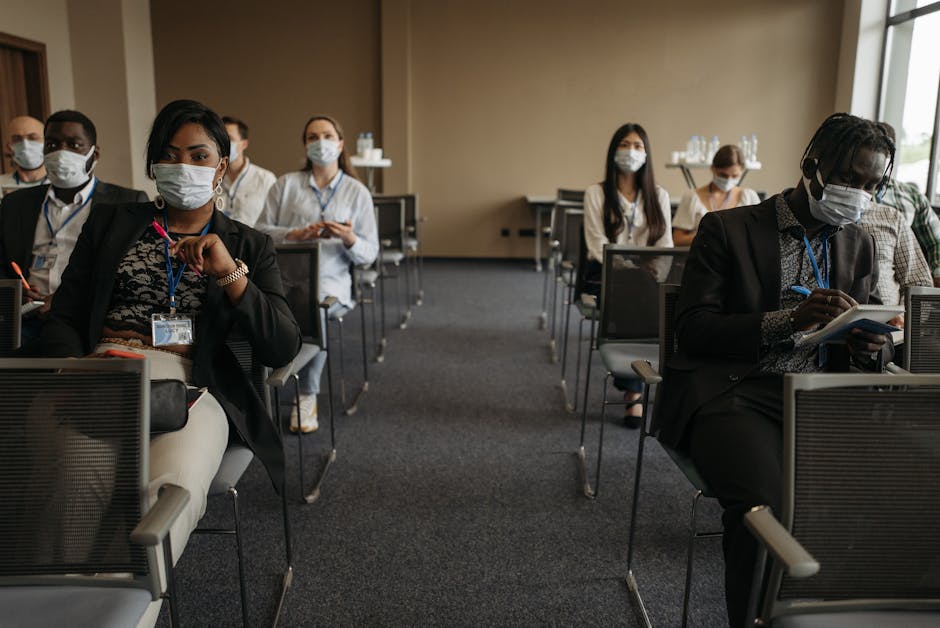
- WHO Exercise Polaris II simulates global response to major disease outbreaks with 26 countries and 600 health experts participating.
- The simulation highlights the importance of international cooperation and preparedness in combating health emergencies.
- The exercise aims to strengthen global health security by enhancing country capacity to respond to public health emergencies.
- The WHO assesses global health system readiness and identifies gaps in preparedness through the simulation exercise.
- The exercise fosters collaboration among nations and health organizations to mitigate the impact of outbreaks.
The World Health Organization (WHO) recently concluded Exercise Polaris II, a 2-day high-level simulation exercise designed to test global preparedness for major disease outbreaks. The exercise, which took place on April 22 and 23, brought together 26 countries and territories, 600 health emergency experts, and over 25 partners to simulate a response to a fictional new bacterium spreading across the world. This effort highlights the importance of international cooperation and preparedness in combating health emergencies, as the world still grapples with the aftermath of the COVID-19 pandemic.
Background and Objectives

The simulation exercise was built on the success of previous initiatives, aiming to strengthen global health security by enhancing the capacity of countries to respond to public health emergencies. The WHO recognizes that infectious diseases know no borders, and a unified, well-coordinated response is essential to mitigate the impact of outbreaks. By convening countries and partners, the WHO sought to assess the readiness of global health systems, identify gaps in preparedness, and foster collaboration among nations and health organizations.
Simulation Details and Participation

Exercise Polaris II presented a fictional scenario involving a new bacterium with pandemic potential, spreading rapidly across the globe. Participants were tasked with activating their emergency workforce structures, managing information flow, and coordinating responses with each other, partners, and the WHO. The exercise involved a diverse range of countries and territories, ensuring a comprehensive and representative simulation of global response mechanisms. The participation of over 25 partners, including international organizations and non-governmental entities, added depth to the simulation, reflecting the complex and multi-faceted nature of health emergency responses.
Analysis and Outcomes

The simulation exercise provided valuable insights into the strengths and weaknesses of current global health emergency response systems. According to the WHO, the exercise helped identify areas for improvement, including enhanced information sharing, more effective coordination among countries and partners, and the need for sustained investment in health infrastructure and emergency preparedness. The outcomes of Exercise Polaris II will inform future initiatives and guide the development of strategies to bolster global health security. As noted by the World Health Organization, international cooperation and collective action are critical in preventing and responding to public health emergencies.
Implications and Future Directions

The implications of Exercise Polaris II are far-reaching, emphasizing the importance of continued vigilance and cooperation in the face of emerging health threats. The simulation underscores the need for countries to maintain and enhance their capacities for detecting, reporting, and responding to public health emergencies. Furthermore, it highlights the role of international organizations, such as the WHO, in facilitating global coordination and providing technical assistance to support national health security efforts. As the world moves forward, the lessons learned from Exercise Polaris II will be crucial in shaping strategies for mitigating the impact of future pandemics and health emergencies.
Expert Perspectives
Experts in global health security commend the WHO for its proactive approach to strengthening health emergency preparedness. According to Dr. Michael Ryan, Executive Director of the WHO Health Emergencies Programme, “Simulation exercises like Polaris II are essential for testing our collective response to health emergencies and identifying areas where we can improve.” Other experts, such as those from the Centers for Disease Control and Prevention, emphasize the importance of sustained investment in health infrastructure and emergency preparedness, as well as the need for enhanced international cooperation to address the global nature of health security threats.
Looking ahead, the global health community must remain vigilant and proactive in addressing emerging health threats. As noted by the WHO, the next pandemic could arise at any time, and the world must be better prepared to respond. Exercise Polaris II represents a significant step towards enhancing global health security, and its outcomes will inform future initiatives to strengthen health emergency preparedness and response capabilities. The international community must continue to work together, sharing knowledge, expertise, and resources to combat the ever-present threat of infectious diseases and ensure a safer, healthier world for all.
Source: WHO