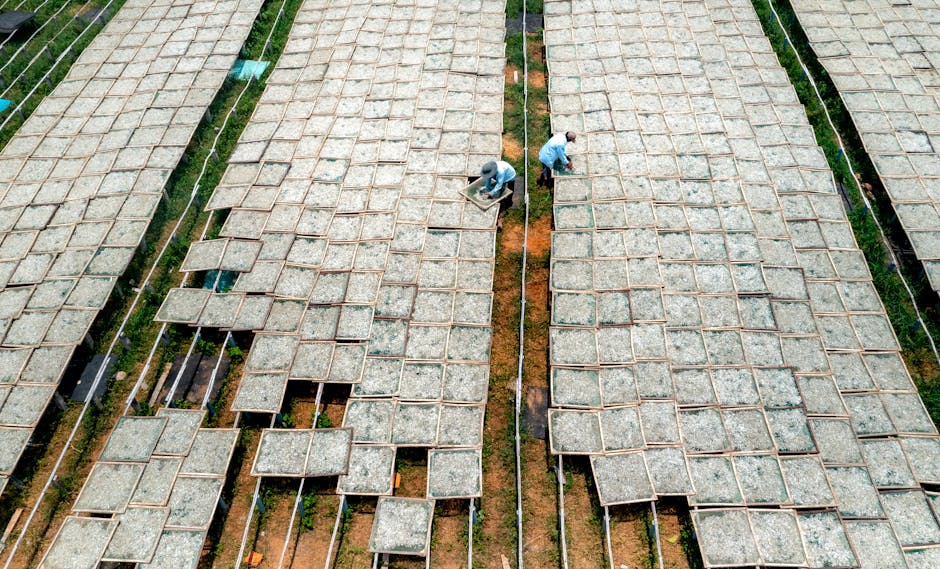
- US seaweed production has surged by 20% in just two years, marking a significant growth in the industry.
- Marine farmer Suzie Flores is leading the seaweed revolution in the US with her kelp farm and commitment to revitalizing small fishing towns.
- Seaweed farming offers a sustainable source of nutrition, requiring no fertilizers, pesticides, or irrigation, making it attractive to environmentally conscious consumers.
- The demand for seaweed is increasing due to its high nutrient content, including vitamins, minerals, and antioxidants, appealing to the health-conscious market.
- Seaweed farming has the potential to boost local economies in struggling fishing towns, providing a much-needed economic stimulus.
The United States is on the cusp of a seaweed revolution, with production surging by 20% in just two years. At the forefront of this movement is marine farmer Suzie Flores, who is determined to get Americans eating more seaweed. With her kelp farm, Flores is not only introducing a new crop to the market but also hoping to revitalise the country’s small fishing towns. These towns, once thriving hubs of activity, have been struggling in recent years due to declining fish populations and increased competition from overseas. Flores believes that seaweed farming can provide a much-needed boost to these local economies.
The Rise of Seaweed Farming

Seaweed farming is not a new concept, but it has gained significant traction in recent years due to its potential to provide a sustainable source of nutrition. The crop requires no fertilizers, pesticides, or irrigation, making it an attractive option for environmentally conscious consumers. Additionally, seaweed is rich in nutrients, including vitamins, minerals, and antioxidants, which has led to increased demand from the health-conscious market. Flores, who has been farming kelp for over a decade, has seen the industry grow exponentially, with new farms and processing facilities popping up across the country. As the demand for seaweed continues to rise, Flores is confident that her farm will play a significant role in shaping the industry’s future.
Key Players and Challenges

Flores’ kelp farm is one of the largest in the country, with over 100 acres of underwater crops. The farm employs a team of skilled workers, who carefully tend to the kelp, ensuring it is harvested at the optimal time to maximize its nutritional value. While the farm has been successful, Flores faces several challenges, including fluctuating market prices, limited processing facilities, and the need for further research into the crop’s potential uses. Despite these challenges, Flores remains committed to her vision, working closely with other farmers, researchers, and industry experts to address these issues and promote the growth of the seaweed industry.
Analyzing the Market
The market for seaweed is complex, with a range of factors influencing demand and supply. On the one hand, the growing awareness of the crop’s health benefits has led to increased demand from consumers. On the other hand, the limited availability of processing facilities and the high cost of production have restricted the industry’s ability to meet this demand. Flores believes that the key to success lies in developing a robust and efficient supply chain, which will enable farmers to get their products to market quickly and at a competitive price. To achieve this, she is working with other industry stakeholders to develop new processing technologies and distribution networks.
Implications and Opportunities
The growth of the seaweed industry has significant implications for the US economy, particularly in small fishing towns. As the industry expands, it is likely to create new job opportunities, stimulate local economies, and provide a much-needed source of revenue for coastal communities. Additionally, the increased production of seaweed could help to reduce the country’s reliance on imported products, promoting a more sustainable and self-sufficient food system. Flores’ farm is already having a positive impact on her local community, with several new businesses springing up to support the industry. As the industry continues to grow, it is likely that we will see similar developments in other coastal towns across the country.
Expert Perspectives
Experts in the field are divided on the potential of the seaweed industry, with some hailing it as a game-changer for sustainable food production, while others express concerns about the environmental impact of large-scale farming. According to Dr. Maria Rodriguez, a leading expert in marine biology, ‘seaweed farming has the potential to provide a significant source of nutrition, while also promoting biodiversity and reducing the environmental impact of traditional farming practices.’ However, others, such as Dr. John Taylor, a marine ecologist, warn that ‘large-scale seaweed farming could have unintended consequences, such as disrupting marine ecosystems and promoting the spread of invasive species.’ Flores acknowledges these concerns, emphasizing the need for responsible and sustainable farming practices to ensure the long-term viability of the industry.
As the seaweed industry continues to evolve, it will be important to monitor its development and address any challenges that arise. Flores is confident that, with the right support and investment, the industry can provide a sustainable and profitable source of nutrition, while also promoting the growth of local economies. As we look to the future, one thing is clear: the humble seaweed is set to play a much bigger role in the US food system, and Suzie Flores is at the forefront of this revolution. With her dedication, expertise, and passion for sustainable farming, it is likely that her farm will remain a key player in the industry for years to come.