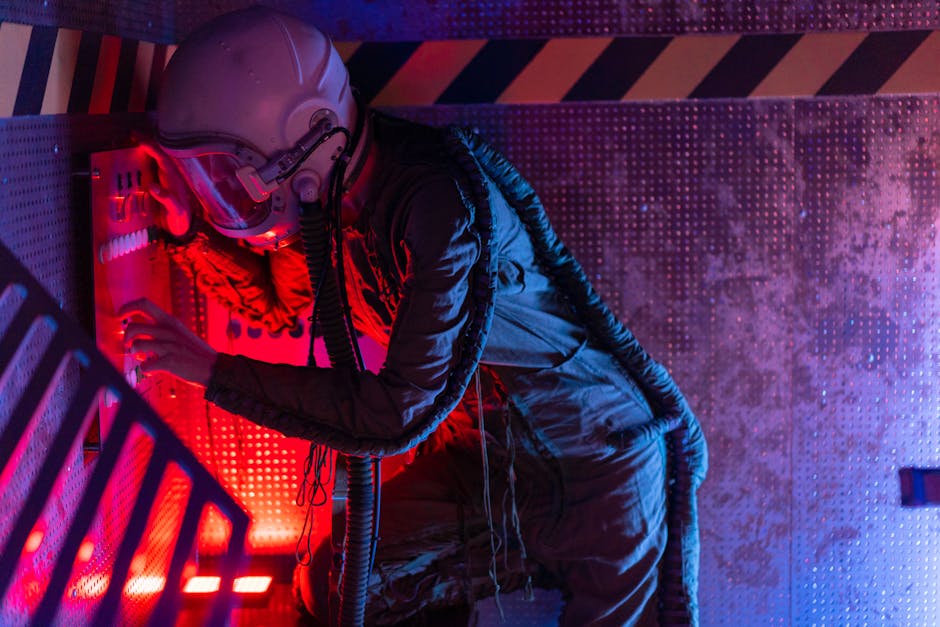
- The Artemis II mission marked a significant milestone in the US space exploration program with a successful lunar flyby.
- President Trump praised the Artemis crew’s achievements but also claimed he would have easily made it to the moon, sparking criticism.
- The Artemis program aims to return humans to the lunar surface by 2025 and establish a sustainable presence on the moon.
- The Artemis II mission’s success brings the US one step closer to achieving its space exploration goals and has sparked renewed interest in the field.
- The crew of the Artemis II mission demonstrated exceptional skill and bravery during their historic journey to the moon.
The United States has marked a significant milestone in its space exploration program with the successful completion of the Artemis II lunar flyby mission. The crew of four astronauts, who embarked on this historic journey, was recently hosted by President Donald Trump at the White House. During the meeting, Trump took the opportunity to praise the astronauts’ achievements, but also couldn’t resist touting his own perceived space prowess, stating ‘I would have had no trouble making it’ to the moon. This statement has sparked a mix of amusement and criticism from the public and experts alike, highlighting the complexities of space travel and the challenges that astronauts face.
The Artemis Mission: A New Era in Space Exploration

The Artemis program, launched by NASA, aims to return humans to the lunar surface by 2025 and establish a sustainable presence on the moon. The recent success of the Artemis II mission brings the United States one step closer to achieving this goal. The mission’s crew, comprising commander Reid Wiseman, pilot Victor Glover, and mission specialists Christina Koch and Jeremy Hansen, demonstrated exceptional skill and bravery during their journey. Their achievement has significant implications for the future of space exploration and has sparked renewed interest in the field. As the world looks to the moon and beyond, the Artemis program is poised to play a crucial role in advancing our understanding of space and its potential for human exploration.
A Celebratory Meeting at the White House

The meeting between President Trump and the Artemis II crew was a celebratory occasion, marking the historic achievement of the astronauts. The four astronauts joined the president in the Oval Office for a press conference, where they shared their experiences and insights from the mission. Trump praised the crew’s accomplishments, acknowledging the significance of their journey and the challenges they overcame. However, his statement about having ‘no trouble making it’ to the moon has raised eyebrows, with many questioning the validity of such a claim. The meeting highlighted the complexities of space travel and the need for continued investment in space exploration programs.
Analysis of the Mission’s Success
The success of the Artemis II mission can be attributed to the meticulous planning and execution of the crew and the NASA team. The mission’s objectives, which included testing the spacecraft’s systems and conducting scientific experiments, were achieved with remarkable precision. The crew’s performance under pressure and their ability to adapt to unexpected challenges were also key factors in the mission’s success. As experts analyze the data collected during the mission, they are gaining valuable insights into the lunar environment and the effects of space travel on the human body. These findings will be crucial in informing future missions and ensuring the safety and success of astronauts.
Implications of the Artemis Program
The Artemis program has far-reaching implications for the future of space exploration and the potential for human settlement on the moon. The establishment of a sustainable presence on the lunar surface could pave the way for further exploration of the solar system and the exploitation of space-based resources. The program also has significant economic and strategic implications, as countries compete to establish themselves as leaders in the field of space exploration. As the United States continues to push the boundaries of space travel, it is likely to face increasing competition from other nations, including China and Russia, which are also investing heavily in their space programs.
Expert Perspectives
Experts in the field of space exploration have offered contrasting viewpoints on the significance of the Artemis program and its potential impact on the future of space travel. Some have praised the program’s ambition and the progress that has been made, while others have raised concerns about the challenges and risks associated with space travel. Dr. Maria Zuber, a leading expert in space exploration, noted that ‘the Artemis program represents a significant step forward in our understanding of space and its potential for human exploration.’ However, she also cautioned that ‘the challenges and risks associated with space travel should not be underestimated, and continued investment in safety and technology is essential.’
As the world looks to the future of space exploration, the Artemis program is likely to play a crucial role in shaping the trajectory of human spaceflight. With the success of the Artemis II mission, the stage is set for further advancements in space travel and the potential for human settlement on the moon. As experts and policymakers continue to debate the implications of the program, one thing is clear: the future of space exploration is full of possibilities and challenges, and the United States is poised to remain at the forefront of this exciting and rapidly evolving field.