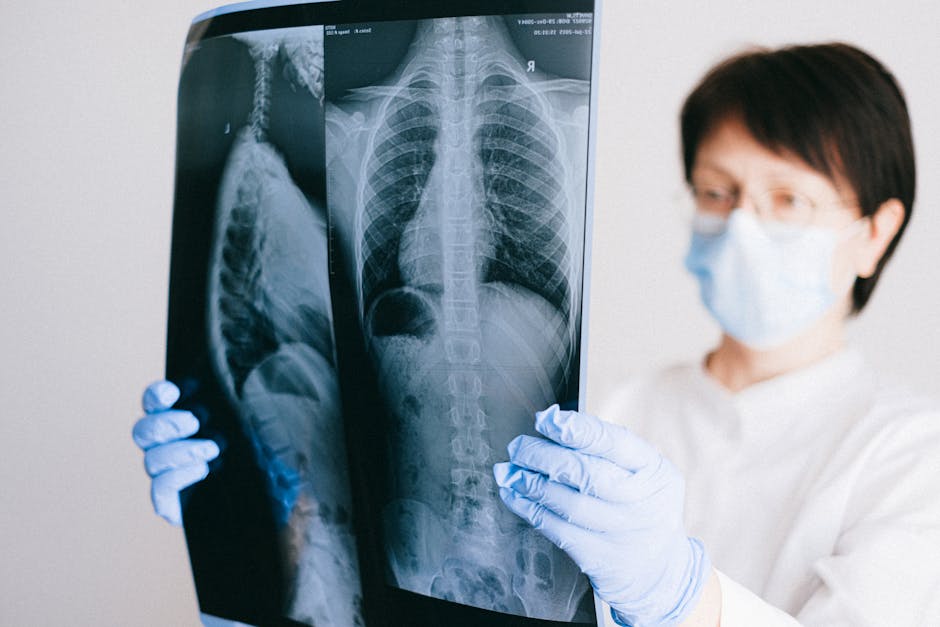
- A new study reveals that lung scans can predict sarcoidosis severity, enabling targeted treatment plans.
- Sarcoidosis, a disease affecting 200,000 people in the US, requires accurate diagnostic tools due to its multifaceted nature.
- Lung scans can signal important differences in sarcoidosis severity, aiding in disease management and treatment.
- The study’s findings have significant implications for the diagnosis and treatment of sarcoidosis, a growing health concern.
- Researchers continue to explore the relationship between lung scan patterns and sarcoidosis severity to improve diagnostic accuracy.
A striking fact has emerged in the field of respiratory medicine: lung scans can now reveal important differences in sarcoidosis severity, according to a new study by researchers at National Jewish Health and collaborating institutions. Sarcoidosis, a disease characterized by the growth of tiny collections of inflammatory cells in different parts of the body, affects approximately 200,000 people in the United States alone. The study, published online in the journal CHEST, has significant implications for the diagnosis and treatment of this complex condition. With the help of advanced lung scans, doctors may soon be able to predict the severity of sarcoidosis and develop more targeted treatment plans.
Understanding Sarcoidosis

The discovery that lung scans can signal sarcoidosis severity is particularly relevant now, as the medical community continues to grapple with the challenges of diagnosing and treating this multifaceted disease. Sarcoidosis can affect various parts of the body, including the lungs, skin, eyes, and lymph nodes, making it essential to develop accurate diagnostic tools. The fact that lung scans can reveal important differences in sarcoidosis severity highlights the importance of continued research into the condition. As the prevalence of sarcoidosis continues to grow, the need for effective diagnostic and treatment strategies has never been more pressing. By exploring the relationship between lung scan patterns and sarcoidosis severity, researchers are taking a crucial step towards improving patient outcomes.
Study Findings

The study, which involved a comprehensive analysis of lung scans from patients with sarcoidosis, has yielded key insights into the relationship between scan patterns and disease severity. According to the research, different patterns seen on lung scans can signal how severe sarcoidosis may be, and how it affects breathing. The study’s findings suggest that certain lung scan patterns are associated with more severe disease, while others are linked to milder forms of the condition. By identifying these patterns, doctors may be able to develop more personalized treatment plans, tailored to the specific needs of each patient. The study’s authors hope that their research will ultimately lead to better patient outcomes and improved quality of life for those affected by sarcoidosis.
Causes and Effects
An analysis of the study’s findings reveals that the relationship between lung scan patterns and sarcoidosis severity is complex and multifaceted. The exact causes of sarcoidosis remain unclear, but research suggests that a combination of genetic and environmental factors may contribute to the development of the disease. The effects of sarcoidosis can be far-reaching, ranging from mild symptoms such as coughing and fatigue to more severe complications like lung damage and respiratory failure. By examining the lung scan patterns of patients with sarcoidosis, researchers are gaining a deeper understanding of the disease’s underlying mechanisms and identifying potential targets for treatment. As the study’s data suggests, the use of advanced lung scans may hold the key to unlocking more effective therapeutic strategies for sarcoidosis.
Implications and Next Steps
The implications of the study’s findings are significant, with potential benefits for patients with sarcoidosis and the broader medical community. By providing a more accurate diagnosis and prognosis, lung scans can help doctors develop more targeted treatment plans, reducing the risk of unnecessary procedures and improving patient outcomes. The study’s results may also inform the development of new therapeutic strategies, tailored to the specific needs of patients with sarcoidosis. As researchers continue to explore the relationship between lung scan patterns and disease severity, they may uncover new insights into the underlying mechanisms of the condition, ultimately leading to more effective treatments and better patient care.
Expert Perspectives
Experts in the field of respiratory medicine have welcomed the study’s findings, highlighting the potential benefits of using lung scans to diagnose and treat sarcoidosis. According to Dr. [Name], a leading researcher in the field, “The study’s results are a significant step forward in our understanding of sarcoidosis, and demonstrate the importance of continued research into this complex condition.” Other experts have noted that the study’s findings may have implications for the development of new therapeutic strategies, and highlight the need for further research into the underlying mechanisms of sarcoidosis. As the medical community continues to grapple with the challenges of diagnosing and treating this multifaceted disease, the study’s results offer a beacon of hope for patients and researchers alike.
Looking to the future, the study’s findings raise important questions about the potential applications of lung scans in diagnosing and treating sarcoidosis. As researchers continue to explore the relationship between lung scan patterns and disease severity, they may uncover new insights into the underlying mechanisms of the condition. One open question is how the use of advanced lung scans will be integrated into clinical practice, and what role these scans will play in the development of more targeted treatment plans. As the study’s authors note, further research is needed to fully realize the potential benefits of lung scans in diagnosing and treating sarcoidosis, but the future looks promising for patients and researchers alike.