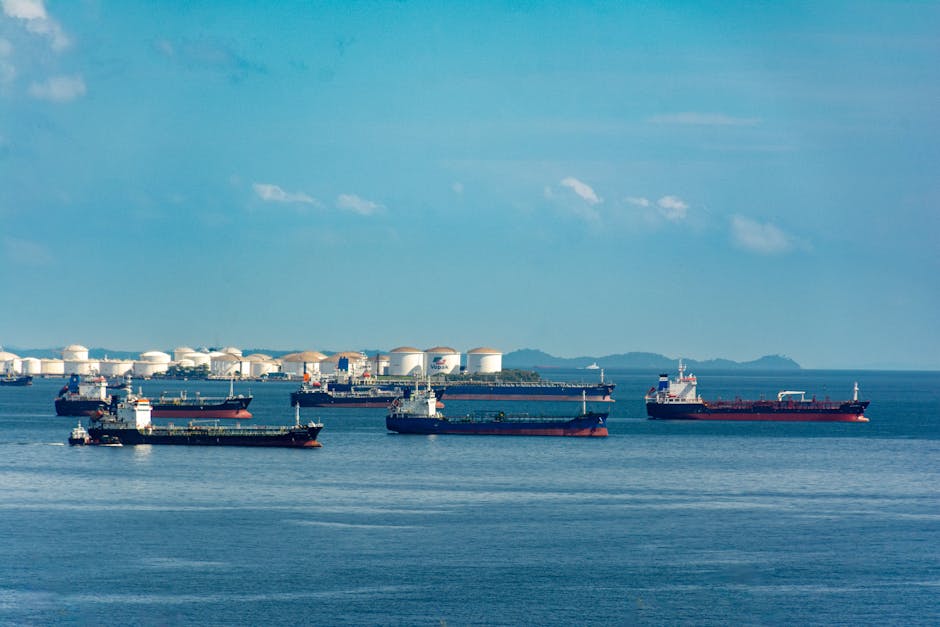
- Oil prices have surged past $125 a barrel due to fears of prolonged supply disruption in the Middle East.
- The blockade of the Strait of Hormuz has led to a shortage of oil on the global market, causing prices to soar.
- Higher oil prices can lead to increased inflation, reduced consumer spending, and slower economic growth.
- Geopolitical tensions in the Middle East are escalating, threatening the global oil supply.
- Oil prices are likely to remain high and volatile until the current situation in the Middle East is resolved.
The price of oil has surged past $125 a barrel, reaching a new high since the conflict began, as fears of a prolonged supply disruption grow. The blockade of the Strait of Hormuz, a critical waterway for global oil trade, has been ongoing for weeks, and there is little sign of a resolution in sight. The resulting shortage of oil on the global market has sent prices soaring, with Brent crude rising by over 10% in the past week alone. This sharp increase has significant implications for the global economy, as higher oil prices can lead to increased inflation, reduced consumer spending, and slower economic growth.
Geopolitical Tensions Escalate

The current situation in the Middle East is increasingly volatile, with tensions between major oil-producing nations and their neighbors continuing to escalate. The blockade of the Strait of Hormuz is just one example of the geopolitical instability that is affecting the global oil market. With several major oil-producing nations located in the region, any disruption to production or transportation has a significant impact on the global supply of oil. As a result, oil prices are likely to remain high and volatile until the situation is resolved. The ongoing conflict has already led to a significant increase in oil prices, and further disruptions could lead to even higher prices in the coming weeks and months.
Impact on Global Oil Supplies

The blockade of the Strait of Hormuz has had a significant impact on global oil supplies, with several major oil-producing nations forced to reduce their production levels. The resulting shortage of oil on the global market has led to higher prices, as demand for oil continues to outstrip supply. The situation is further complicated by the fact that several major oil-consuming nations, including the United States and China, are heavily reliant on imported oil to meet their energy needs. As a result, any disruption to global oil supplies has a significant impact on their economies, and they are likely to be affected by the current situation in the Middle East. The International Energy Agency (IEA) has warned that the current situation could lead to a significant increase in oil prices, which would have far-reaching implications for the global economy.
Market Analysis
Analysts are warning that the current situation in the oil market could lead to a perfect storm of high prices and reduced supplies. The combination of geopolitical instability, reduced production levels, and increased demand for oil has created a highly volatile market, in which prices can fluctuate rapidly. The situation is further complicated by the fact that several major oil-producing nations have limited spare production capacity, which reduces their ability to increase production levels in response to higher demand. As a result, oil prices are likely to remain high and volatile until the situation is resolved, and the global economy is likely to be affected by the resulting increase in inflation and reduced consumer spending. According to data from the IEA, the current situation could lead to a significant increase in oil prices, which would have far-reaching implications for the global economy.
Economic Implications
The current situation in the oil market has significant implications for the global economy, as higher oil prices can lead to increased inflation, reduced consumer spending, and slower economic growth. The resulting increase in production costs could also lead to higher prices for a wide range of goods and services, which would further reduce consumer spending and economic growth. The situation is particularly concerning for several major oil-importing nations, including the United States and China, which are heavily reliant on imported oil to meet their energy needs. As a result, they are likely to be affected by the current situation in the Middle East, and their economies could be negatively impacted by the resulting increase in oil prices. The World Bank has warned that the current situation could lead to a significant increase in poverty and inequality, as higher oil prices reduce economic growth and increase inflation.
Expert Perspectives
Experts are divided on the likely outcome of the current situation in the oil market, with some warning that prices could rise even further in the coming weeks and months. Others, however, believe that the situation will be resolved relatively quickly, and that oil prices will return to more normal levels. According to Dr. Fatih Birol, Executive Director of the IEA, the current situation is highly uncertain, and it is difficult to predict what will happen next. However, he warned that the situation has the potential to lead to a significant increase in oil prices, which would have far-reaching implications for the global economy. In contrast, some analysts believe that the current situation is a short-term blip, and that oil prices will return to more normal levels once the situation is resolved.
Looking ahead, it is clear that the current situation in the oil market is highly uncertain, and that the outcome will depend on a wide range of factors, including the resolution of the conflict in the Middle East and the resulting impact on global oil supplies. As a result, it is difficult to predict what will happen next, and oil prices are likely to remain high and volatile until the situation is resolved. One thing is certain, however: the current situation has significant implications for the global economy, and it will be important to monitor developments closely in the coming weeks and months. The key question is what will happen next, and how the situation will be resolved. Will the conflict in the Middle East be resolved quickly, or will it continue to escalate, leading to even higher oil prices and a significant increase in inflation and reduced consumer spending?