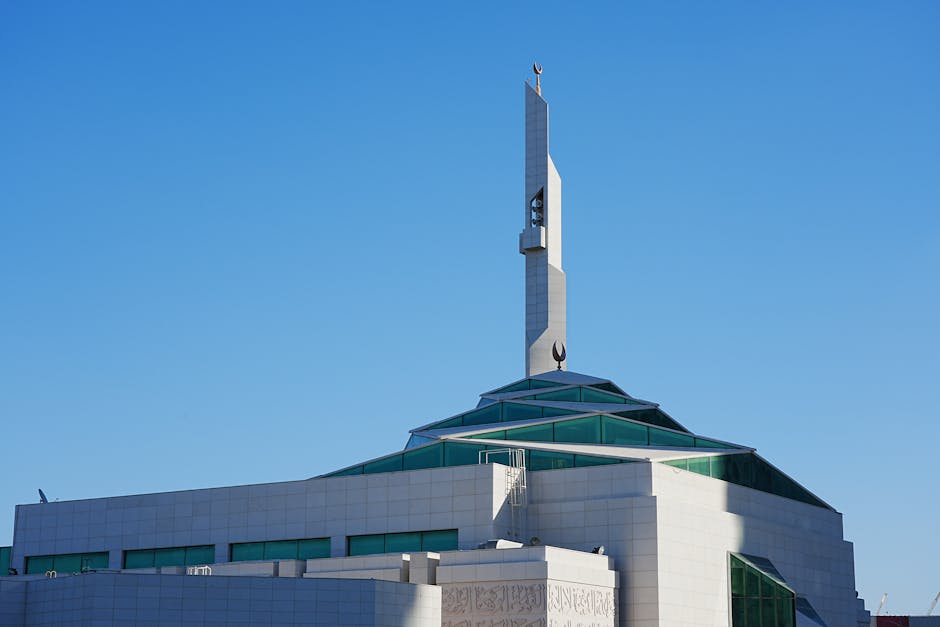
- The Christchurch mosque shooter’s appeal was rejected by a New Zealand court, upholding his guilty plea.
- The decision ensures the perpetrator will spend the rest of his life behind bars, bringing relief to the victims’ families.
- The court’s ruling reflects New Zealand’s commitment to upholding the rule of law and holding perpetrators accountable.
- The case highlights the growing threat of white supremacist terrorism and the need for governments to combat hate speech and extremism.
- The decision comes as a testament to the importance of social media companies taking responsibility for online content.
The Christchurch mosque shooter’s attempt to overturn his guilty plea has been rejected by the New Zealand court, bringing a sense of relief and closure to the families of the 51 victims who lost their lives in the horrific attack. The white supremacist, who carried out the deadliest shooting in New Zealand’s modern history, had initially pleaded guilty to all charges but later sought to withdraw his pleas, sparking concerns that the case could be reopened. However, the court’s decision to uphold the guilty plea ensures that justice will be served, and the perpetrator will spend the rest of his life behind bars.
Background to the Tragedy

The Christchurch mosque shooting sent shockwaves around the world, highlighting the growing threat of white supremacist terrorism and the need for governments to take decisive action to combat hate speech and extremism. The attack, which was livestreamed on social media, was a stark reminder of the dangers of online radicalization and the importance of social media companies taking responsibility for the content they host. As New Zealand and the world continue to grapple with the aftermath of the tragedy, the court’s decision serves as a testament to the country’s commitment to upholding the rule of law and ensuring that those who commit heinous crimes are held accountable.
The Shooting and Its Aftermath

The shooting, which occurred on March 15, 2019, was a meticulously planned and executed attack that targeted two mosques in Christchurch, New Zealand. The gunman, who had posted a hate-filled manifesto online before carrying out the attack, used semi-automatic weapons to slaughter innocent worshipers, including children, women, and the elderly. The attack sparked widespread outrage and condemnation, with world leaders and ordinary citizens alike expressing their solidarity with the victims and their families. In the aftermath of the shooting, New Zealand’s government moved swiftly to enact stricter gun control laws and to crack down on hate speech and extremism.
Analysis of the Court’s Decision
The court’s decision to reject the shooter’s appeal is a significant victory for the victims’ families and for the people of New Zealand, who have been seeking justice and closure for over two years. The decision is also a testament to the strength and resilience of New Zealand’s justice system, which has withstood intense scrutiny and pressure throughout the case. According to experts, the court’s ruling sets an important precedent for future cases involving white supremacist terrorism and highlights the need for governments to take a zero-tolerance approach to hate speech and extremism. As the world continues to grapple with the threat of terrorism, the court’s decision serves as a powerful reminder of the importance of upholding the rule of law and protecting the rights of all citizens.
Implications of the Verdict
The court’s decision has significant implications for the victims’ families, who can now begin to move on from the tragedy and rebuild their lives. The verdict also has important implications for New Zealand’s Muslim community, which has been traumatized by the attack and has been seeking justice and recognition for over two years. According to community leaders, the court’s decision is a powerful statement of solidarity and support for the Muslim community, and it serves as a reminder that hate and extremism will not be tolerated in New Zealand. As the country continues to heal and recover from the tragedy, the court’s decision is an important step towards reconciliation and rebuilding.
Expert Perspectives
Experts have welcomed the court’s decision, saying that it is a significant victory for justice and a powerful statement of condemnation for white supremacist terrorism. According to Dr. Paul Spoonley, a leading expert on extremism, the court’s ruling sets an important precedent for future cases and highlights the need for governments to take a comprehensive approach to combating hate speech and extremism. “The court’s decision is a testament to the strength and resilience of New Zealand’s justice system,” Dr. Spoonley said. “It sends a powerful message that hate and extremism will not be tolerated in our society.”
As the world continues to grapple with the threat of terrorism, the court’s decision serves as a reminder of the importance of upholding the rule of law and protecting the rights of all citizens. The question now is what other countries can learn from New Zealand’s approach to combating hate speech and extremism, and how they can work together to prevent similar tragedies from occurring in the future. As experts and policymakers continue to debate and discuss these issues, one thing is clear: the fight against terrorism and extremism will require a sustained and coordinated effort from governments, civil society, and individuals around the world.