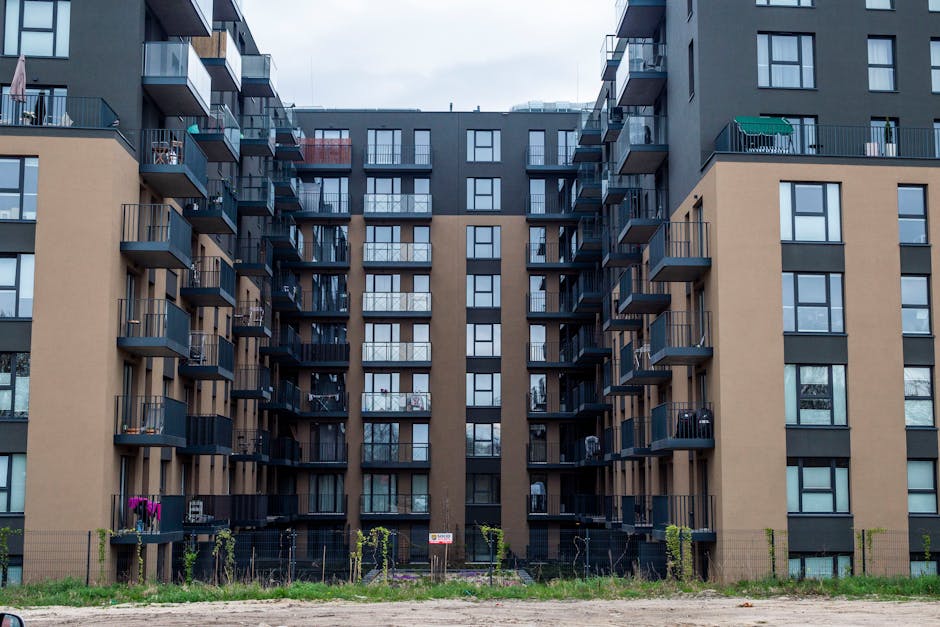
- The UK’s leasehold system affects over 4.5 million properties in England and Wales, causing significant costs and restrictions for homeowners.
- The government has rejected calls to abolish leasehold outright, citing concerns over the drastic nature of such a move.
- Homeowners with leasehold properties do not own the land on which their homes are built, instead paying ground rent to the freeholder.
- The leasehold system has been criticized for being opaque and unfair, with many calling for reform to protect homeowners.
- The government faces growing pressure to address the leasehold issue, with many arguing that reform is essential for transparency and fairness.
The UK’s leasehold system has long been a subject of controversy, with many arguing that it is unfair and in need of reform. According to recent data, there are over 4.5 million leasehold properties in England and Wales, with many homeowners facing significant costs and restrictions. Despite growing pressure to address the issue, the government has rejected calls to abolish leasehold outright, with Minister Matthew Pennycook stating that such a move would be too drastic. This decision has sparked criticism from many who argue that the government is dragging its feet on leasehold reform.
Background: The Leasehold System Under Fire

The leasehold system has been under scrutiny for several years, with many arguing that it is outdated and unfair. Under the current system, homeowners who purchase a leasehold property do not own the land on which it is built, instead paying ground rent to the freeholder. This can lead to significant costs and restrictions, with many homeowners facing large bills for maintenance and repairs. The system has been criticized for being opaque and unfair, with many calling for reform. The government has faced growing pressure to address the issue, with many arguing that it is essential to protect homeowners and ensure that the system is fair and transparent.
The Government’s Position: Reform, Not Abolition

Minister Matthew Pennycook has rejected calls to abolish leasehold outright, arguing that such a move would be too drastic. Instead, the government has proposed a series of reforms aimed at addressing the issues with the current system. These include plans to reduce ground rents, improve transparency, and give homeowners more rights. While the government argues that these reforms will address the main concerns with the leasehold system, critics argue that they do not go far enough. Many are calling for more radical action, including the abolition of leasehold altogether. The government’s decision has sparked a heated debate, with many arguing that it is essential to find a balance between protecting homeowners and respecting the rights of freeholders.
Key Details: The Impact on Homeowners
The leasehold system can have a significant impact on homeowners, with many facing large bills for ground rent, maintenance, and repairs. According to recent data, the average leasehold homeowner pays over £300 per year in ground rent, with many facing much higher bills. The system can also be opaque, with many homeowners unaware of their rights and responsibilities. The government’s proposed reforms aim to address these issues, but critics argue that they do not go far enough. Many homeowners are calling for more radical action, including the abolition of leasehold altogether. The issue is complex, with many different stakeholders involved, including homeowners, freeholders, and the government.
Analysis: The Causes and Effects of the Leasehold System
The leasehold system is a complex issue, with many different causes and effects. According to experts, the system is a relic of the past, with roots dating back to the Middle Ages. The system has evolved over time, but it remains a source of controversy and debate. The government’s proposed reforms aim to address the main concerns with the system, but critics argue that they do not go far enough. Many argue that the system is unfair and opaque, with homeowners facing significant costs and restrictions. The issue is also closely tied to the broader debate over housing and property rights, with many arguing that it is essential to find a balance between protecting homeowners and respecting the rights of freeholders.
Implications: Who is Affected and How
The leasehold system affects millions of homeowners across England and Wales, with many facing significant costs and restrictions. The system can be particularly problematic for those on lower incomes, who may struggle to pay ground rent and other costs. The government’s proposed reforms aim to address these issues, but critics argue that they do not go far enough. Many are calling for more radical action, including the abolition of leasehold altogether. The issue is complex, with many different stakeholders involved, including homeowners, freeholders, and the government. According to experts, it is essential to find a balance between protecting homeowners and respecting the rights of freeholders.
Expert Perspectives
Experts are divided on the issue of leasehold reform, with some arguing that the government’s proposed reforms do not go far enough. According to Dr. Emma Lucey, a housing expert at the University of London, the leasehold system is a relic of the past and should be abolished altogether. Others argue that the system can be reformed and improved, with Mark Hayward, the chief executive of the National Association of Estate Agents, stating that the government’s proposed reforms are a step in the right direction. The debate is complex, with many different perspectives and opinions.
As the debate over leasehold reform continues, many are left wondering what the future holds. According to experts, it is essential to find a balance between protecting homeowners and respecting the rights of freeholders. The government’s proposed reforms are a step in the right direction, but critics argue that they do not go far enough. As the issue continues to evolve, it will be important to watch for further developments and to consider the potential implications of any changes to the leasehold system. One key question is whether the government will be able to find a solution that satisfies all stakeholders, or if the debate will continue to be a source of controversy and debate.