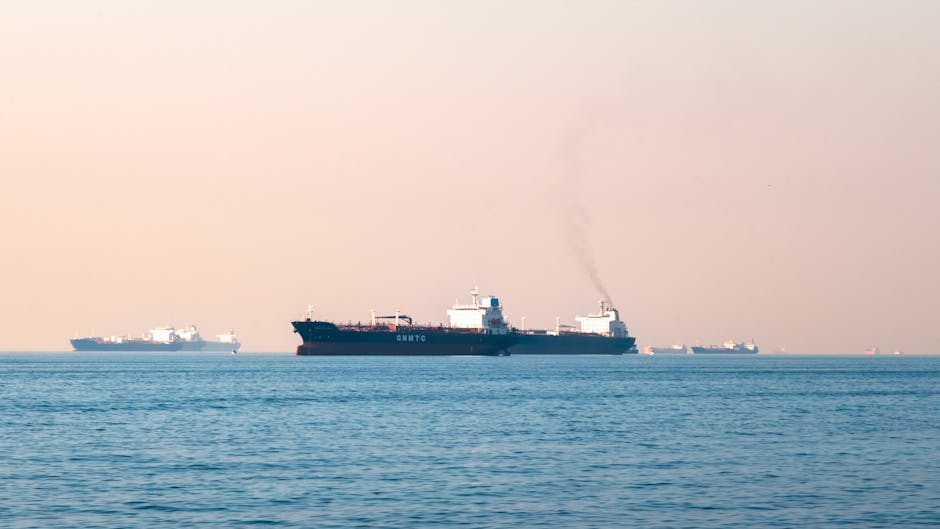
- Fuel prices in Africa have increased by over 20%, impacting the economy and daily lives of citizens.
- Iran is a major supplier of fuel to many African countries, and the ongoing conflict has led to supply disruptions.
- The war in Iran has caused a decline in investor confidence, hindering economic growth in Africa.
- African countries are facing a perfect storm of high fuel prices, low investor confidence, and economic challenges.
- Transportation, manufacturing, and agriculture sectors are severely affected due to fuel shortages.
The ongoing war in Iran has sent shockwaves across the globe, and Africa is no exception. With many African countries relying heavily on imported fuel, the conflict has led to a significant increase in prices, affecting not only the economy but also the daily lives of citizens. In fact, the average price of fuel has risen by over 20% in some African countries, making it difficult for people to afford basic necessities. As the situation continues to unfold, many Africans are bracing themselves for tougher times ahead, making difficult decisions about their future and wondering how their economies will weather the storm.
Iran’s Role in Global Fuel Supply

Iran is a major player in the global fuel market, and its conflict with Western nations has led to a significant disruption in the supply chain. Many African countries, which lack the infrastructure to refine their own crude oil, rely heavily on imported fuel from Iran and other Middle Eastern countries. The war has led to a shortage of fuel in these countries, causing prices to skyrocket and affecting the transportation, manufacturing, and agriculture sectors. Furthermore, the conflict has also led to a decline in investor confidence, making it challenging for African countries to attract foreign investment and stimulate economic growth. As a result, the African economy is facing a perfect storm of high fuel prices, low investor confidence, and dwindling economic growth.
Key Players and Interests

The conflict in Iran has drawn in several key players, including the United States, China, and European nations. Each of these countries has significant interests in the region, ranging from oil imports to geopolitical influence. The United States, in particular, has been vocal about its opposition to Iran’s nuclear program, while China has been keen to maintain its trade relationships with the country. African countries, on the other hand, are caught in the middle, trying to navigate the complex web of alliances and interests to secure their fuel supply and protect their economies. The involvement of these global powers has added a new layer of complexity to the conflict, making it challenging for African countries to find a way out of the crisis.
Causes and Consequences
The causes of the conflict in Iran are complex and multifaceted, involving a combination of historical, political, and economic factors. However, the consequences of the war are clear: a significant disruption to the global fuel supply, a decline in investor confidence, and a devastating impact on African economies. The conflict has also led to a rise in terrorist activities, with militant groups taking advantage of the instability to launch attacks on African soil. Moreover, the war has also had a humanitarian impact, with thousands of people displaced and affected by the violence. As the conflict continues to escalate, it is essential for African countries to develop a comprehensive strategy to mitigate the effects of the war and protect their economies.
Implications for Africa
The implications of the war in Iran for Africa are far-reaching and devastating. With many African countries already struggling to provide basic services to their citizens, the increase in fuel prices has made it challenging for them to deliver healthcare, education, and other essential services. The conflict has also led to a decline in economic growth, making it difficult for African countries to achieve their development goals. Furthermore, the war has also had a significant impact on the African diaspora, with many people living in Iran and other affected countries facing uncertainty and insecurity. As the situation continues to unfold, it is essential for African leaders to come together and develop a coordinated response to the crisis, one that prioritizes the needs of their citizens and protects their economies.
Expert Perspectives
Experts are divided on the impact of the war in Iran on Africa’s economy and fuel supply. Some argue that the conflict will have a limited impact, as African countries can diversify their fuel imports and develop alternative sources of energy. Others, however, believe that the war will have a devastating impact, leading to widespread poverty, instability, and conflict. According to Dr. Fatima Akil, a leading expert on African economics, ‘the war in Iran is a wake-up call for African countries to develop their own energy infrastructure and reduce their dependence on imported fuel.’ On the other hand, Dr. John Taylor, a specialist on global energy markets, argues that ‘the conflict in Iran is a symptom of a larger problem, one that requires a coordinated global response to address the root causes of instability and insecurity in the region.’
As the situation continues to unfold, it is essential to keep a close eye on developments in the region and watch for any signs of escalation or de-escalation. One key question that remains unanswered is how African countries will respond to the crisis and develop a comprehensive strategy to mitigate its effects. Will they be able to diversify their fuel imports, develop alternative sources of energy, and protect their economies from the fallout of the war? Only time will tell, but one thing is certain: the war in Iran has significant implications for Africa’s economy and fuel supply, and it is essential for African leaders to take a proactive and coordinated approach to address the crisis.