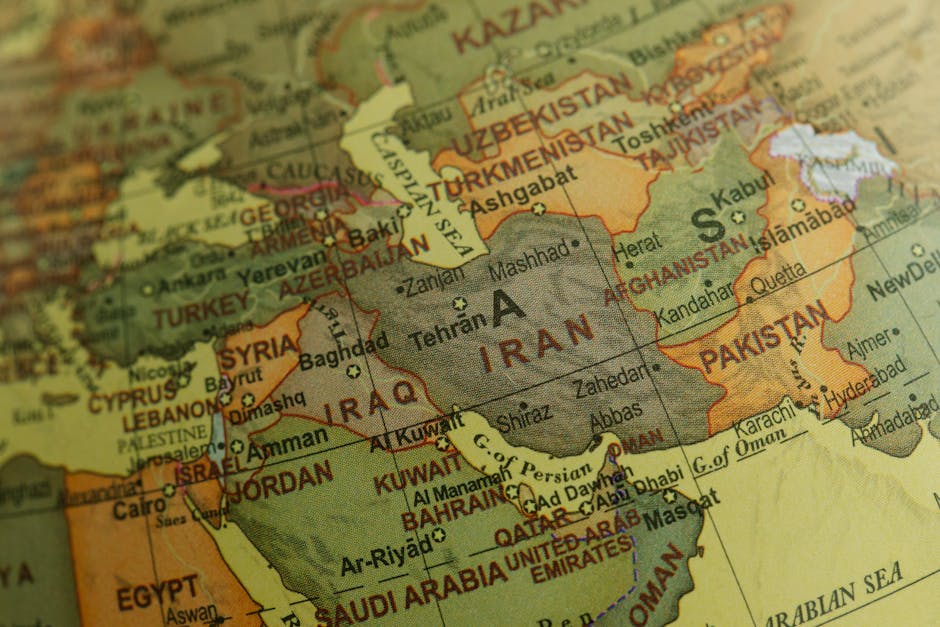
- The ongoing conflict with Iran has cost a staggering $25 billion, highlighting the gravity of the situation.
- The war in Iran has reached a critical juncture, with no clear end in sight and a mounting economic and human toll.
- Pete Hegseth, a key Pentagon official, faced intense scrutiny during his nearly six-hour testimony on the conflict’s progression.
- The conflict is not a bilateral issue, but rather a complex web of regional and global dynamics.
- The international community has been caught off guard by the rapid escalation of violence in Iran.
The ongoing conflict with Iran has reached a critical juncture, with the Pentagon revealing that the war has cost a staggering $25 billion so far, according to figures presented to the House Armed Services Committee. This striking statistic underscores the gravity of the situation, as the international community continues to grapple with the implications of the escalating violence. As the war rages on, the economic and human toll continues to mount, with no clear end in sight. The congressional hearing marked a pivotal moment in the conflict, as lawmakers sought to hold officials accountable for the war’s trajectory. Pete Hegseth, a key Pentagon official, faced intense scrutiny during his nearly six-hour testimony, as lawmakers probed him on the conflict’s progression and the administration’s strategy moving forward.
The Road to War

The conflict with Iran has been years in the making, with tensions simmering beneath the surface. The current crisis, however, began to take shape in recent months, as a series of incidents and provocations pushed the two sides to the brink of war. The international community has been caught off guard by the rapid escalation of violence, with many nations struggling to respond to the crisis. As the war drags on, it has become increasingly clear that the conflict is not simply a bilateral issue, but rather a complex web of regional and global dynamics. The $25 billion price tag, revealed during Hegseth’s testimony, serves as a stark reminder of the war’s far-reaching consequences, which will likely be felt for years to come.
A Congressional Grilling

Hegseth’s appearance before the House Armed Services Committee marked his first congressional testimony since the war began. The Pentagon official faced a barrage of questions from lawmakers, who sought to pin down the administration’s strategy and goals in the conflict. Hegseth’s testimony was closely watched, as lawmakers and the public alike sought insight into the war’s progression and the administration’s plans for the future. The hearing was marked by tense exchanges, as lawmakers from both parties pressed Hegseth for answers on the war’s cost, its impact on regional stability, and the potential for further escalation. Despite the intense scrutiny, Hegseth maintained a composed demeanor, reiterating the administration’s commitment to protecting American interests and stabilizing the region.
Assessing the Damage
As the conflict rages on, experts are beginning to assess the damage, both in terms of human lives and economic costs. The $25 billion figure, revealed during Hegseth’s testimony, is likely only the tip of the iceberg, as the true cost of the war will not be fully known for years to come. The conflict has already had a profound impact on regional stability, with many nations struggling to cope with the fallout. The war has also had significant humanitarian implications, with thousands of civilians caught in the crossfire. As the international community struggles to respond to the crisis, it has become clear that a swift and negotiated resolution is the only viable path forward. Experts warn that a prolonged conflict will only serve to exacerbate the existing tensions, plunging the region into further chaos and instability.
Broader Implications
The conflict with Iran has far-reaching implications, extending beyond the immediate region to the global stage. The war has already had a significant impact on international markets, with oil prices soaring in response to the escalating violence. The conflict has also raised questions about the role of the United States in the region, with many nations questioning the administration’s strategy and commitment to stability. As the war drags on, it is likely that the international community will face increasing pressure to intervene, either through diplomatic or military means. The $25 billion cost of the war serves as a stark reminder of the need for a swift and negotiated resolution, lest the conflict continue to spiral out of control, with devastating consequences for the global economy and regional stability.
Expert Perspectives
Experts are divided on the best course of action, with some advocating for a swift and decisive military campaign, while others urge caution and diplomacy. Many analysts warn that a prolonged conflict will only serve to strengthen the hand of extremist elements, plunging the region into further chaos and instability. Others argue that the administration’s strategy is flawed, and that a more nuanced approach is needed to address the complex web of regional dynamics. As the conflict continues to unfold, it is clear that a nuanced and multifaceted approach will be required, one that takes into account the complex interplay of regional and global factors.
Looking ahead, the key question is what the future holds for the conflict. Will the international community be able to broker a peaceful resolution, or will the war continue to escalate, with devastating consequences for the region and the world at large? As the situation continues to unfold, one thing is clear: the need for a swift and negotiated resolution has never been more pressing. The $25 billion cost of the war serves as a stark reminder of the need for action, lest the conflict continue to spiral out of control, with far-reaching implications for global stability and security.