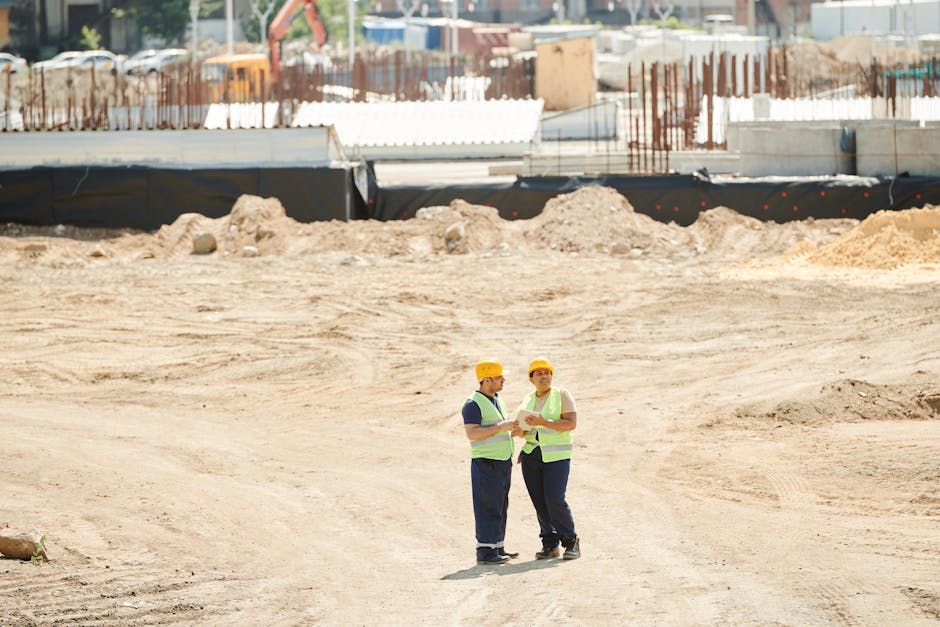
- The UK government’s target to build 1.5m homes in England is facing significant challenges due to rising costs and uncertainty.
- Barratt Developments, the country’s largest housebuilder, will cut land purchases in response to market uncertainty.
- The ongoing conflict in Iran has led to increased costs and a more cautious approach to investment in the UK housing market.
- The UK’s housing market has been under pressure for years, with a shortage of affordable homes and a lack of supply contributing to rising prices and rents.
- The government’s ambitious housing plans are being questioned due to the series of setbacks and challenges faced by housebuilders.
The UK government’s target to build 1.5m homes in England during this parliament is facing significant challenges, with the country’s largest housebuilder, Barratt Developments, announcing plans to cut land purchases. This decision is a result of the increased uncertainty in the market, caused in part by the ongoing conflict in Iran, which has led to rising costs and a more cautious approach to investment. The news is a blow to the government’s ambitious housing plans, which were already considered challenging by many experts.
The Current State of UK Housebuilding

The UK’s housing market has been under pressure for several years, with a shortage of affordable homes and a lack of supply contributing to rising prices and rents. The government’s target to build 1.5m homes in England during this parliament was seen as a way to address this issue, but it has been beset by problems from the start. The latest announcement from Barratt Developments is just the latest in a series of setbacks, and it raises serious questions about the viability of the target.
Impact of the Iran War on UK Housebuilding

The conflict in Iran has had a significant impact on the global economy, with rising oil prices and increased uncertainty contributing to a more cautious approach to investment. For the UK’s housebuilders, this has meant a reduction in land purchases and a focus on completing existing projects rather than taking on new ones. The increased costs associated with the conflict have also made it more difficult for housebuilders to meet the government’s targets, which were already considered ambitious by many experts.
Analysis of the Government’s Housebuilding Target
Experts have long questioned the viability of the government’s housebuilding target, citing a lack of funding, infrastructure, and skilled labor as major obstacles. The latest announcement from Barratt Developments has only added to these concerns, and it is now clear that the target will be extremely difficult to meet. The government will need to rethink its approach to housebuilding and consider new initiatives to stimulate the market and encourage investment. This could include increasing funding for affordable housing, streamlining the planning process, and providing incentives for housebuilders to take on new projects.
Implications for the UK Housing Market
The failure to meet the government’s housebuilding target will have significant implications for the UK housing market. The shortage of affordable homes will continue to drive up prices and rents, making it even more difficult for first-time buyers to get on the housing ladder. The lack of supply will also contribute to a rise in homelessness and housing poverty, with many people forced to live in temporary or unsuitable accommodation. The government will need to take urgent action to address these issues and ensure that the housing market is working for everyone, not just the wealthy few.
Expert Perspectives
Experts are divided on the best way to address the UK’s housing crisis, but most agree that the government’s current approach is not working. Some argue that the focus should be on increasing the supply of affordable housing, while others believe that the priority should be on reducing demand by controlling immigration and limiting the purchase of homes by foreign buyers. Whatever the solution, it is clear that the government needs to take a more nuanced and effective approach to housebuilding, one that takes into account the complex needs of the market and the challenges faced by housebuilders.
Looking to the future, it is clear that the UK’s housing market will continue to face significant challenges. The government will need to be more proactive and flexible in its approach to housebuilding, working with housebuilders, local authorities, and other stakeholders to find solutions to the shortage of affordable homes. This will require a willingness to listen to different perspectives and to adapt to changing circumstances, as well as a commitment to investing in the infrastructure and services that are needed to support new housing developments.