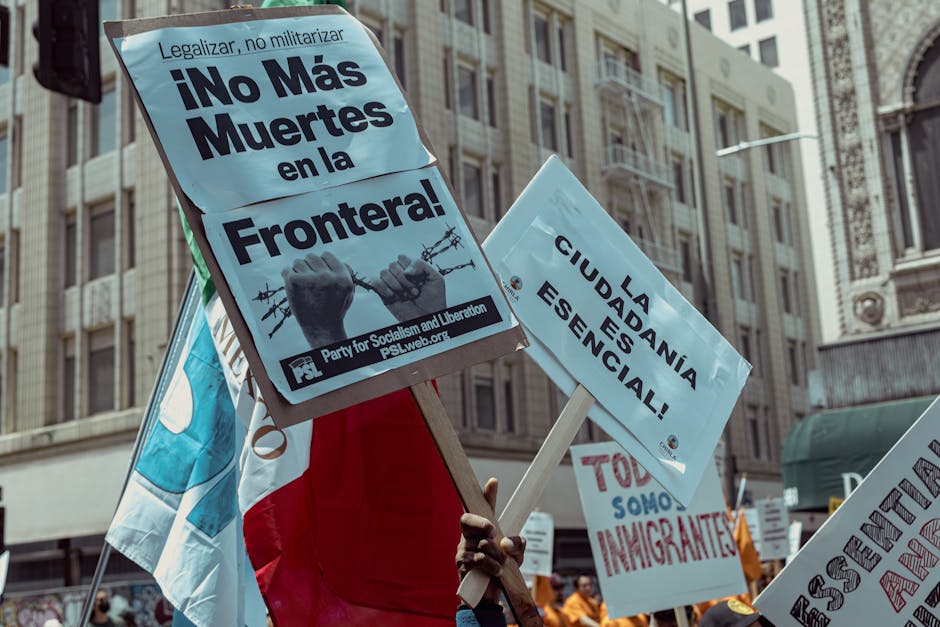
- The US Court of Appeals rejected Trump’s immigration policy, ruling it unlawful and overbroad.
- The court found the administration misinterpreted a decades-old immigration law to justify detention.
- The ruling has far-reaching implications for Trump’s immigration agenda and ongoing immigration reform debate.
- The court’s decision is a major setback for the Trump administration, which has made immigration a central focus.
- The ruling is a significant victory for immigrant rights groups and their efforts to end discriminatory policies.
The US Court of Appeals for the Ninth Circuit has dealt a significant blow to the Trump administration’s immigration policy, ruling that its mandatory detention of immigrants is unlawful. In a 3-0 decision, the court found that the administration had misinterpreted a decades-old immigration law to justify the detention of thousands of immigrants. This ruling has far-reaching implications for the Trump administration’s immigration agenda and highlights the ongoing debate over immigration reform in the United States. The court’s decision is a major setback for the administration, which has made immigration a central focus of its policy efforts.
Background and Context

The Trump administration’s immigration detention policy has been a subject of controversy since its inception. The policy, which mandates the detention of immigrants who have committed certain crimes, has been criticized by immigrant rights groups and lawmakers who argue that it is overly broad and violates the due process rights of detainees. The policy is based on a 1996 law that allows for the mandatory detention of immigrants who have committed certain crimes, but the court found that the administration had misread the law to justify the detention of immigrants who do not pose a threat to public safety. The ruling is a significant victory for immigrant rights groups, who have argued that the policy is discriminatory and targets certain groups of immigrants.
The Court’s Ruling

The court’s ruling was unequivocal, with all three judges agreeing that the Trump administration had misinterpreted the law. The court found that the administration’s policy was based on a flawed reading of the 1996 law, which allows for the mandatory detention of immigrants who have committed certain crimes. The court ruled that the administration had failed to provide sufficient evidence to justify the detention of immigrants who do not pose a threat to public safety. The ruling is a major blow to the Trump administration’s immigration agenda, which has been focused on increasing deportations and detentions. The administration has argued that the policy is necessary to protect public safety, but the court found that this argument was not supported by the evidence.
Analysis and Implications
The court’s ruling has significant implications for the Trump administration’s immigration policy and highlights the ongoing debate over immigration reform in the United States. The ruling is a major setback for the administration, which has made immigration a central focus of its policy efforts. The administration has argued that its immigration policy is necessary to protect public safety, but the court found that this argument was not supported by the evidence. The ruling is also a significant victory for immigrant rights groups, who have argued that the policy is discriminatory and targets certain groups of immigrants. The court’s decision is likely to be appealed, but it highlights the need for comprehensive immigration reform that addresses the complex issues surrounding immigration.
Impact on Immigrant Communities
The court’s ruling is likely to have a significant impact on immigrant communities, who have been affected by the Trump administration’s immigration detention policy. The policy has led to the detention of thousands of immigrants, many of whom have been separated from their families and communities. The ruling is a major victory for immigrant rights groups, who have argued that the policy is discriminatory and targets certain groups of immigrants. The court’s decision is likely to lead to a reduction in the number of immigrants who are detained, and it highlights the need for comprehensive immigration reform that addresses the complex issues surrounding immigration. The ruling is also likely to have a significant impact on the Trump administration’s immigration agenda, which has been focused on increasing deportations and detentions.
Expert Perspectives
Immigrant rights groups and lawmakers have welcomed the court’s ruling, arguing that it is a major victory for due process and human rights. Experts have noted that the ruling highlights the need for comprehensive immigration reform that addresses the complex issues surrounding immigration. The ruling is also likely to be appealed, and experts have noted that the Supreme Court may ultimately have to decide the issue. The court’s decision is a significant setback for the Trump administration’s immigration agenda, and it highlights the ongoing debate over immigration reform in the United States.
The court’s ruling raises important questions about the future of immigration reform in the United States. The ruling is likely to be appealed, and the Supreme Court may ultimately have to decide the issue. The court’s decision highlights the need for comprehensive immigration reform that addresses the complex issues surrounding immigration. Experts have noted that the ruling is a significant victory for immigrant rights groups, but it also highlights the ongoing challenges facing immigrant communities. The ruling is a major blow to the Trump administration’s immigration agenda, and it raises important questions about the future of immigration policy in the United States.