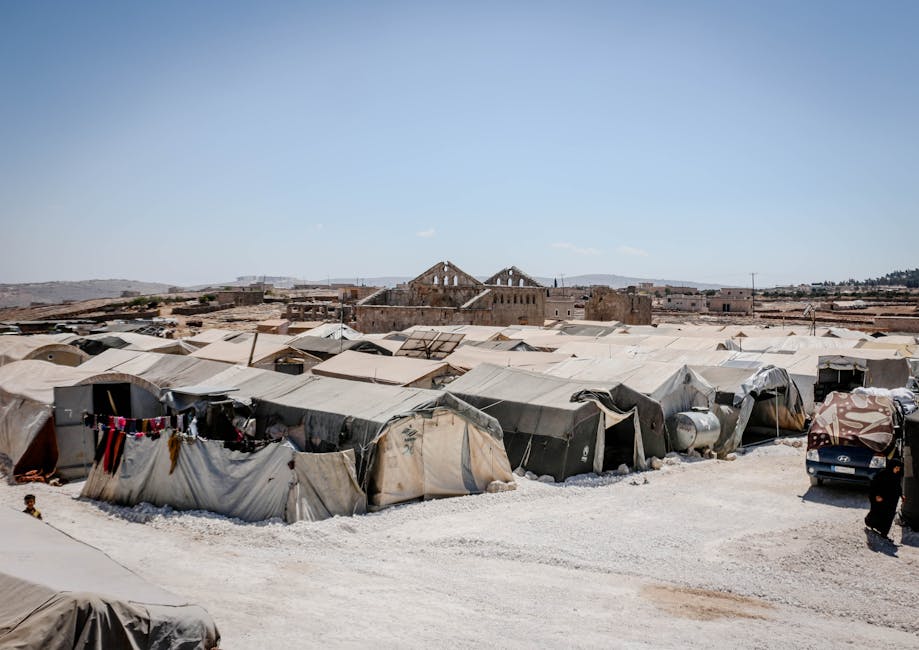
The situation in South Sudan is becoming increasingly dire, with nearly eight million people at risk of acute hunger, according to recent reports from aid agencies. This staggering number represents approximately two-thirds of the country’s population, highlighting the severity of the crisis. The warning signs have been evident for some time, but the international community is now being urged to take immediate action to avoid an irreversible humanitarian catastrophe. With the rainy season approaching, the window for intervention is rapidly closing, and the consequences of inaction could be devastating.
The Gathering Storm

The crisis in South Sudan is a complex and multifaceted one, driven by a combination of factors including conflict, economic instability, and climate change. The country has been embroiled in a bitter civil war since 2013, which has disrupted agricultural production, damaged infrastructure, and forced millions of people to flee their homes. The resulting economic instability has led to soaring food prices, making it difficult for many people to access even the most basic necessities. Meanwhile, the effects of climate change are being felt across the region, with droughts and floods becoming increasingly common. All these factors have combined to create a perfect storm of hunger and desperation.
Aid Efforts Under Strain

Despite the efforts of aid agencies, the situation on the ground remains precarious. The United Nations and other humanitarian organizations have been working tirelessly to provide food, shelter, and medical care to those in need, but their efforts are being stretched to the breaking point. The lack of funding, combined with the challenges of accessing remote areas, has hindered the delivery of aid, leaving many people without the support they so desperately need. The international community is being urged to increase its support for the aid effort, but so far, the response has been inadequate, and time is running out to make a difference.
Causes and Consequences
The roots of the crisis in South Sudan are deep and complex, and there are no easy solutions. However, experts point to the ongoing conflict as a major contributing factor, as it has disrupted the country’s economy and forced people to flee their homes. The lack of investment in agriculture and infrastructure has also hindered the country’s ability to respond to the crisis. Meanwhile, the effects of climate change are being felt across the region, with rising temperatures and changing weather patterns affecting agricultural production and food availability. The consequences of inaction will be severe, with the potential for widespread famine, displacement, and even death.
Human Cost
The human cost of the crisis in South Sudan is already being felt, with millions of people struggling to survive. The most vulnerable members of society, including children, women, and the elderly, are being disproportionately affected, with many forced to go without food, shelter, or medical care. The psychological toll of the crisis should not be underestimated, with many people struggling to cope with the trauma and stress of living in a war zone. As the situation continues to deteriorate, the risk of irreversible damage to the social fabric of the country grows, with the potential for long-term consequences for generations to come.
Expert Perspectives
Experts are warning that the international community must take immediate action to address the crisis in South Sudan. While some argue that the focus should be on providing emergency aid, others believe that a more sustainable solution is needed, one that addresses the root causes of the crisis. According to Dr. Sophia Patel, a leading expert on humanitarian crises, “the situation in South Sudan requires a comprehensive response, one that combines emergency aid with long-term investment in agriculture, infrastructure, and economic development.” Others, such as Dr. John Taylor, argue that the international community must also prioritize conflict resolution, stating that “until the fighting stops, it will be impossible to address the humanitarian crisis effectively.”
As the situation in South Sudan continues to deteriorate, the international community is being forced to confront the reality of its inaction. With the rainy season approaching, the window for intervention is rapidly closing, and the consequences of failure will be severe. The question on everyone’s mind is: what will it take for the international community to act, and will it be too late when they finally do? The coming weeks and months will be crucial in determining the course of events in South Sudan, and the world will be watching with bated breath as the situation unfolds.