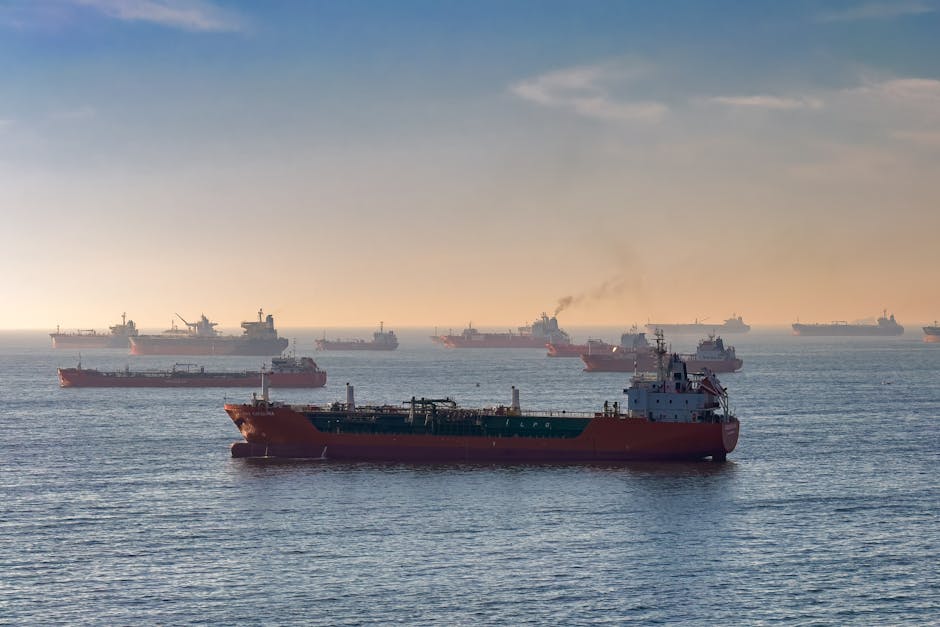
Iran’s latest proposal, delivered on Sunday, has brought a glimmer of hope to the stalled negotiations between Tehran and Washington. The plan, which focuses on the strategic Strait of Hormuz, suggests opening the key waterway to shipping traffic and lifting the US blockade, while postponing the more contentious nuclear issue until later. This move is seen as a significant shift in Iran’s stance, as it acknowledges the importance of the strait to global trade and security. With nearly a third of the world’s oil passing through the strait, any disruption to traffic can have far-reaching consequences for the global economy. The proposal has sparked interest among diplomats and analysts, who are eager to see how the US and other parties will respond to this new initiative.
The Strategic Importance of the Strait of Hormuz

The Strait of Hormuz has long been a flashpoint in the region, with Iran’s control over the waterway giving it significant leverage over global oil supplies. The strait is a critical chokepoint, connecting the Persian Gulf to the Gulf of Oman and the Arabian Sea. Any closure or disruption to traffic can have severe consequences for the global economy, as it would restrict the flow of oil from the region. The US and its allies have long been concerned about Iran’s ability to disrupt traffic in the strait, and have maintained a significant naval presence in the region to ensure the free flow of oil. The current proposal from Iran offers a potential solution to this issue, by opening the strait to shipping traffic and lifting the US blockade.
Key Details of the Proposal

The proposal, which was delivered to European officials on Sunday, outlines a series of steps that Iran is willing to take to address the situation in the Strait of Hormuz. These include opening the strait to shipping traffic, lifting the US blockade, and establishing a new framework for cooperation between Iran and other countries in the region. The proposal also suggests that the more contentious issue of Iran’s nuclear program be postponed until later, allowing for a focus on the immediate concerns surrounding the strait. This approach is seen as a pragmatic move by Iran, as it acknowledges the need for cooperation on the strait while also seeking to delay the more difficult discussions on its nuclear program.
Analysis of the Proposal
Analysts are divided on the significance of Iran’s proposal, with some seeing it as a genuine attempt to break the deadlock in negotiations, while others view it as a tactical move to gain concessions from the US and its allies. The proposal’s focus on the Strait of Hormuz is seen as a clever move by Iran, as it addresses a critical concern for the global economy while also allowing Tehran to maintain its leverage over the nuclear issue. However, the US and its allies are likely to approach the proposal with caution, given Iran’s history of using negotiations as a tactic to buy time and gain concessions. The success of the proposal will depend on the ability of all parties to build trust and cooperate on the key issues surrounding the strait.
Implications of the Proposal
The implications of Iran’s proposal are far-reaching, with potential consequences for the global economy, regional security, and the future of negotiations between Tehran and Washington. If the proposal is accepted, it could lead to a significant reduction in tensions in the region, as well as an increase in global oil supplies. However, if the proposal is rejected, it could lead to further escalation and a potential closure of the strait, with severe consequences for the global economy. The proposal also has implications for the broader Middle East region, as it could potentially lead to increased cooperation between Iran and other countries, and a reduction in the US military presence in the region.
Expert Perspectives
Experts are divided on the potential success of Iran’s proposal, with some seeing it as a genuine attempt to break the deadlock in negotiations, while others view it as a tactical move by Tehran. According to one analyst, the proposal is a “cunning move” by Iran, as it addresses a critical concern for the global economy while also allowing Tehran to maintain its leverage over the nuclear issue. However, another expert warns that the proposal is unlikely to succeed, given the deep-seated mistrust between the US and Iran, and the significant differences between the two sides on the nuclear issue.
Looking ahead, the key question is how the US and other parties will respond to Iran’s proposal. Will they accept the proposal and work towards a solution on the Strait of Hormuz, or will they reject it and continue to press for a comprehensive deal on the nuclear issue? The answer to this question will depend on a range of factors, including the level of trust between the parties, the willingness to compromise, and the ability to build a framework for cooperation on the key issues. As one expert notes, the next few weeks will be critical in determining the success or failure of Iran’s proposal, and the future of negotiations between Tehran and Washington.