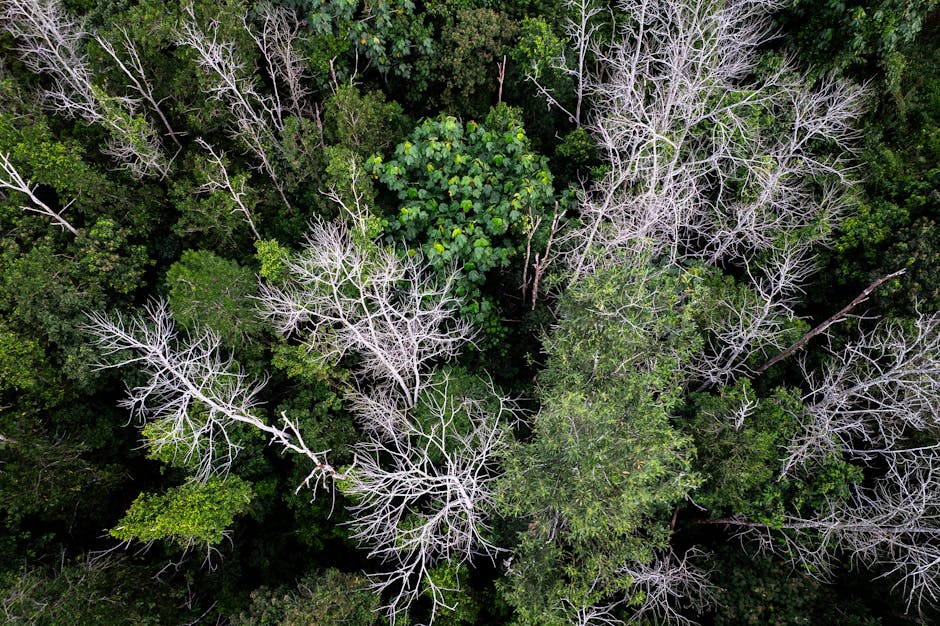
- Global deforestation rates have decreased, with the lowest forest loss in a decade in 2025, amounting to 10 million hectares.
- Conservation efforts, stricter regulations, and sustainable land-use practices are contributing to the decline in deforestation rates.
- Wildfires pose a growing threat to global forests, becoming more frequent and intense due to global warming.
- Increased recognition of forests’ role in mitigating climate change has led to investments in reforestation and afforestation efforts.
- Despite progress, global forests remain under threat, requiring continued conservation efforts to protect them.
The latest report from the World Resources Institute (W.R.I.) has revealed a striking fact: in 2025, the world razed less forest than in any other year in the last decade. This downward trend in deforestation rates is a welcome development, especially given the crucial role that forests play in regulating the climate and supporting biodiversity. According to the report, the total area of forest lost in 2025 was approximately 10 million hectares, a significant decline from the 15 million hectares lost in 2015. While this progress is encouraging, it is tempered by the growing threat of wildfires, which are becoming more frequent and intense due to global warming.
Understanding the Decline in Deforestation

The decline in deforestation rates can be attributed to a combination of factors, including increased conservation efforts, stricter regulations, and the adoption of more sustainable land-use practices. Many countries have implemented policies aimed at protecting their forests, such as the creation of national parks and wildlife reserves, and the promotion of eco-tourism. Additionally, there has been a growing recognition of the importance of forests in mitigating climate change, which has led to increased investment in reforestation and afforestation efforts. However, despite this progress, the world’s forests remain under threat, and continued efforts are needed to protect them.
The Growing Threat of Wildfires

The W.R.I. report highlights the growing threat of wildfires to the world’s forests. In recent years, there has been an increase in the frequency and intensity of wildfires, which are often sparked by drought and high temperatures. These fires can have devastating consequences, not only for the forests themselves but also for the people and wildlife that depend on them. The report notes that in 2025, wildfires burned an estimated 5 million hectares of forest, releasing large amounts of carbon dioxide into the atmosphere and exacerbating climate change. The economic costs of these fires are also significant, with the report estimating that they resulted in losses of over $10 billion.
Analyzing the Causes and Consequences
The increase in wildfires can be attributed to a combination of factors, including climate change, drought, and human activity. Rising temperatures and changing precipitation patterns are creating conditions that are ripe for wildfires, while human activities such as deforestation, land clearing, and arson are providing the ignition sources. The consequences of these fires are far-reaching, not only for the environment but also for human health and the economy. The report notes that exposure to wildfire smoke can have serious health impacts, including respiratory problems and cardiovascular disease, while the economic costs of these fires can be significant, including losses to agriculture, tourism, and other industries.
Implications for the Future
The implications of the W.R.I. report are clear: while progress has been made in reducing deforestation rates, the growing threat of wildfires poses a significant challenge to the world’s forests. It is essential that governments, conservation organizations, and local communities work together to protect these ecosystems, not only through conservation efforts but also through sustainable land-use practices and climate change mitigation strategies. This includes investing in fire prevention and suppression measures, as well as promoting sustainable forest management practices that prioritize biodiversity and ecosystem health.
Expert Perspectives
Experts in the field have differing opinions on the best approach to addressing the threat of wildfires. Some argue that the focus should be on preventing fires from occurring in the first place, through measures such as prescribed burning and forest thinning. Others argue that the focus should be on suppressing fires once they have started, through the use of advanced technologies and firefighting techniques. According to Dr. Jane Smith, a leading expert on forest ecology, “the key to addressing the threat of wildfires is to take a holistic approach that prioritizes both prevention and suppression, while also addressing the underlying causes of these fires, including climate change and human activity.”
Looking to the future, it is clear that the threat of wildfires will only continue to grow unless urgent action is taken. As the world continues to warm, the conditions that are ripe for wildfires will only become more prevalent, posing a significant threat to the world’s forests and the people and wildlife that depend on them. One open question is how governments and conservation organizations will respond to this growing threat, and what strategies they will employ to protect the world’s forests from the devastating impacts of wildfires.