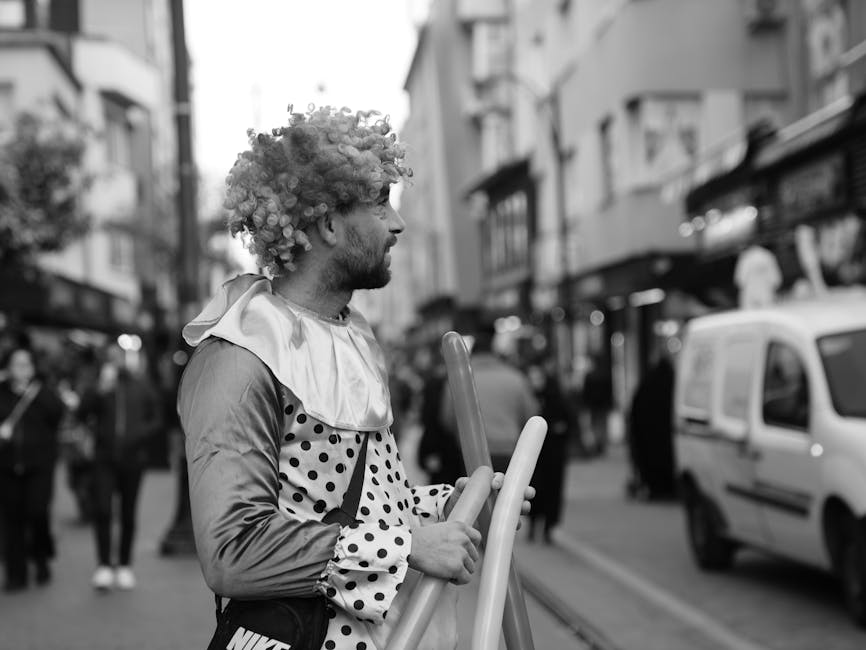
- Gallows humor has become a coping mechanism for Arabs in war-torn Middle East, providing a much-needed release valve for frustrations and anxieties.
- The proliferation of gallows humor on social media has amplified its impact, making it a staple of online discourse in the region.
- Arab digital creators are using humor to reclaim their narrative and refuse to let the conflict define them.
- The trend is a testament to the resilience of the human spirit, which can find levity even in the darkest of times.
- Social media has given a platform to millions of followers, making Arab digital creators unlikely ambassadors of hope and resilience.
In the midst of unrelenting conflict, a peculiar phenomenon has emerged in the Middle East: the proliferation of gallows humor. With over 70% of Arabs aged 18-29 actively using social media, digital creators have taken to platforms like Twitter, Instagram, and Facebook to share edgy, humorous content that pokes fun at the dire circumstances. This trend is not only a coping mechanism but also a testament to the resilience of the human spirit, which can find levity even in the darkest of times. As one popular meme puts it, “when life gives you lemons, make lemonade; when life gives you war, make war-ade.” This brand of humor has become a staple of online discourse, providing a much-needed release valve for the frustrations and anxieties of living in a war-torn region.
The Rise of Dark Comedy in the Middle East

The current crop of Arab digital creators is not the first to use humor as a way to deal with conflict. However, the sheer scale and reach of social media have amplified the impact of this phenomenon. With millions of followers hanging onto their every word, these creators have become unlikely ambassadors of hope and resilience. By sharing humorous takes on the absurdities and tragedies of war, they are, in effect, reclaiming their narrative and refusing to let the conflict define them. This matters now more than ever, as the region teeters on the brink of further instability and the world watches with bated breath. As one commentator noted, “in the face of overwhelming adversity, humor is not just a luxury, but a necessity.” The rise of dark comedy in the Middle East is a powerful reminder of this truth.
Key Players and Controversies

Several high-profile Arab digital creators have made a name for themselves by pushing the boundaries of what is considered acceptable in the region. From satirical news outlets to individual comedians, these personalities have amassed huge followings and are widely regarded as the vanguard of a new wave of Middle Eastern comedy. However, not everyone is amused. Some have criticized the use of gallows humor, arguing that it trivializes the suffering of those affected by the conflict. Others have accused the creators of being insensitive or, worse still, of using humor as a way to avoid engaging with the serious issues at hand. Despite these controversies, the creators remain undeterred, insisting that their brand of humor is not about making light of the situation, but about finding a way to live with it.
Analysis: Causes, Effects, and Implications
So, what drives the creation and consumption of gallows humor in the Middle East? One possible explanation lies in the psychological concept of “incongruity theory,” which suggests that humor arises from the juxtaposition of two things that do not normally go together. In the context of war, this might involve pairing the absurdity of a particular situation with the gravity of the conflict. Another factor at play is the desire for community and shared experience. By laughing together at the absurdities of war, people are able to connect with one another and find a sense of solidarity. According to experts, this phenomenon is not unique to the Middle East, but rather part of a broader trend of using humor as a way to cope with trauma and adversity. As one analyst noted, “gallows humor is a universal language, one that transcends borders and cultures.” The effects of this trend are still being felt, but one thing is clear: it has brought people together and provided a much-needed respite from the conflict.
Implications: Who is Affected and How
The implications of this trend are far-reaching and multifaceted. For the creators themselves, the use of gallows humor has provided a platform and a sense of purpose. For their followers, it has offered a way to process and deal with the trauma of living in a war-torn region. More broadly, the rise of dark comedy in the Middle East challenges traditional notions of what is considered acceptable in the region and highlights the importance of humor as a coping mechanism. As the conflict continues to unfold, it will be interesting to see how this trend evolves and what impact it has on the broader cultural landscape. One thing is certain, however: for those living in the midst of war, gallows humor has become an essential part of their survival toolkit.
Expert Perspectives
Experts are divided on the significance and impact of gallows humor in the Middle East. Some see it as a positive force, one that brings people together and provides a much-needed release valve for the frustrations and anxieties of living in a war-torn region. Others are more skeptical, arguing that it trivializes the suffering of those affected by the conflict and avoids engaging with the serious issues at hand. According to Dr. Amira Howeidy, a specialist in Middle Eastern studies, “gallows humor is a complex phenomenon that reflects the nuances and contradictions of life in the region.” Dr. Howeidy adds, “while it can be a powerful tool for coping with trauma, it also risks perpetuating a culture of cynicism and despair.”
As the situation in the Middle East continues to unfold, one question remains: what role will gallows humor play in shaping the region’s cultural and social landscape? Will it continue to provide a much-needed respite from the conflict, or will it eventually give way to more traditional forms of coping and expression? Only time will tell, but one thing is certain: the rise of dark comedy in the Middle East is a phenomenon that will be watched with great interest by scholars, policymakers, and the general public alike. As the region teeters on the brink of further instability, the power of humor to bring people together and provide a sense of hope and resilience will be more important than ever.