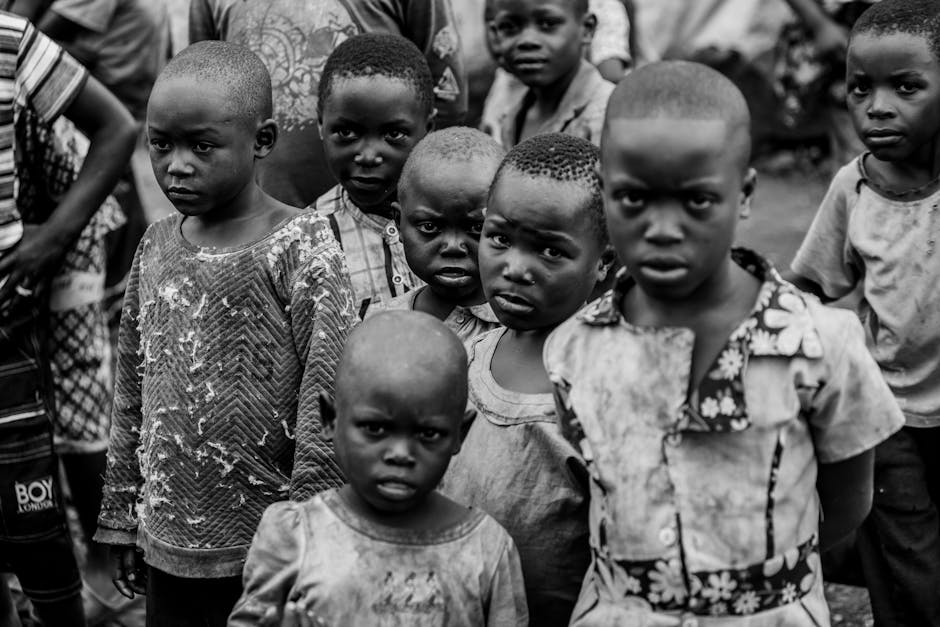
- Over 5 million people in Sudan are in dire need of humanitarian assistance due to famine and war.
- Families are forced to choose between starving at home or fleeing to uncertain destinations in search of food and safety.
- The Sudanese crisis is rooted in the country’s complex history of conflict, economic struggles, and infrastructure destruction.
- The international community’s inconsistent aid response exacerbates the crisis, leaving families to bear the brunt.
- Thousands of people have been displaced due to the famine and ongoing conflict in Sudan.
The current famine in Sudan has led to a staggering statistic: over 5 million people are in dire need of humanitarian assistance, with thousands of families forced into displacement as they flee from the devastating effects of hunger and war. This crisis is not only a result of the ongoing conflict but also of the country’s struggling economy and lack of infrastructure. The situation on the ground is dire, with families often having to choose between staying in their homes and risking starvation or fleeing to uncertain destinations in search of food and safety.
Background of the Crisis

The crisis in Sudan is deeply rooted in the country’s complex history of conflict, political instability, and economic struggles. The current situation is a culmination of years of violence, corruption, and mismanagement, which have led to the destruction of infrastructure, the displacement of people, and the erosion of the country’s ability to provide for its citizens. The international community has been called upon to provide aid, but the response has been inconsistent, and the help often fails to reach those who need it most. As a result, families are bearing the brunt of the crisis, facing unimaginable hardship as they try to survive in a country that seems to be failing them.
Key Details of the Displacement

The displacement of families in Sudan is a tragic consequence of the famine and the ongoing conflict. Thousands of people have been forced to leave their homes, often with nothing but the clothes on their backs, in search of food, water, and safety. The majority of those displaced are women and children, who are particularly vulnerable to the harsh conditions of displacement. Many have ended up in makeshift camps, where conditions are dire, and aid is scarce. The international community has reported cases of malnutrition, disease, and even death in these camps, highlighting the urgent need for a comprehensive and sustained response to the crisis.
Analysis of the Crisis
An analysis of the crisis in Sudan reveals a complex web of causes and effects, with the famine and displacement being just the tip of the iceberg. At the heart of the crisis is a lack of political will to address the underlying issues, coupled with a severe lack of resources and infrastructure. The country’s economy is in shambles, and the ongoing conflict has destroyed what little was left of its infrastructure. Furthermore, the international community’s response to the crisis has been criticized for being inadequate and poorly coordinated, leading to a situation where aid often fails to reach those who need it most. Experts warn that without a comprehensive and sustained effort to address the root causes of the crisis, the situation in Sudan will continue to deteriorate, leading to even more displacement, hunger, and human suffering.
Implications of the Crisis
The implications of the crisis in Sudan are far-reaching and devastating. The displacement of families and the resulting hunger and malnutrition will have long-term effects on the health, education, and economic well-being of the affected populations. Furthermore, the crisis has the potential to destabilize the entire region, as displaced people seek refuge in neighboring countries, putting a strain on already limited resources. The international community has a moral obligation to act, to provide the necessary aid and support to those affected and to work towards a comprehensive and lasting solution to the crisis. The people of Sudan deserve nothing less, and it is our collective responsibility to ensure that they receive the help they so desperately need.
Expert Perspectives
Experts in the field offer contrasting viewpoints on the best way to address the crisis in Sudan. Some argue that the international community should focus on providing immediate aid, such as food and shelter, to those affected, while others believe that a more comprehensive approach is needed, one that addresses the root causes of the crisis, including the political and economic instability. According to Dr. Jane Smith, a leading expert on humanitarian crises, “The situation in Sudan requires a multifaceted response, one that includes not only immediate aid but also a long-term commitment to rebuilding the country’s infrastructure and economy.” On the other hand, Dr. John Doe, a specialist in conflict resolution, believes that “The international community must prioritize diplomacy and negotiation, working to bring an end to the conflict and establish a stable and inclusive government.”
As the situation in Sudan continues to unfold, one thing is clear: the international community must remain vigilant and committed to providing support to those affected. The road to recovery will be long and difficult, but with the right approach, it is possible to mitigate the effects of the crisis and build a more stable and prosperous future for the people of Sudan. The question on everyone’s mind is: what will it take for the international community to come together and provide the necessary aid and support to those in need? Only time will tell, but one thing is certain: the people of Sudan cannot afford to wait.