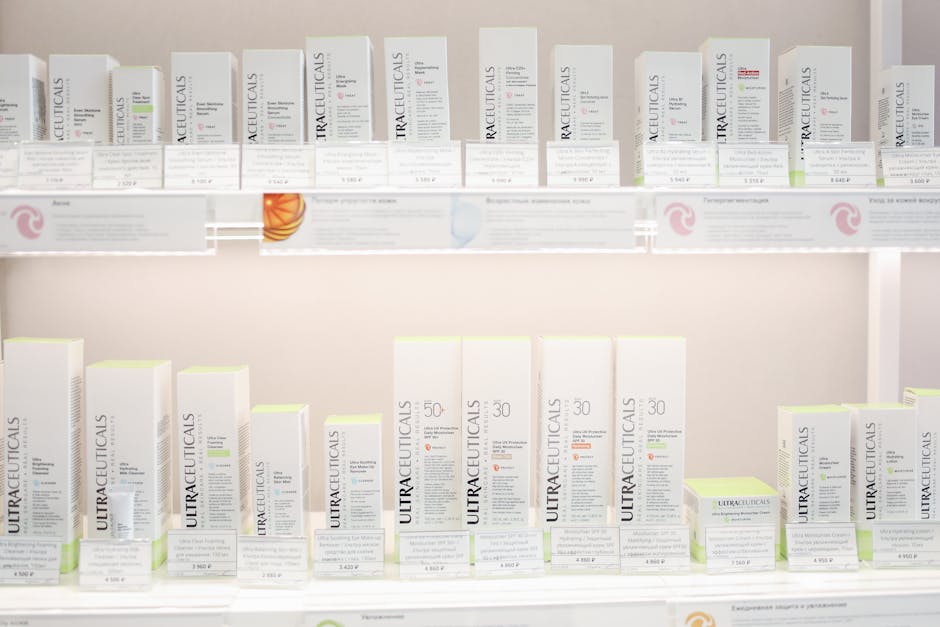
- The cosmetics industry is facing calls for stricter regulations due to misleading product claims.
- Anti-aging products have become increasingly popular, driven by an aging population and societal emphasis on youthful appearance.
- Companies like Eucerin are under scrutiny for exaggerating the effectiveness of their products.
- A recent case involving Eucerin’s face serum advert has raised concerns about the blurring of reality and marketing exaggeration.
- Consumer trust in the cosmetics industry is paramount, and stricter regulations are needed to protect consumers.
The world of cosmetics has witnessed a significant surge in anti-aging products, with companies claiming their serums and creams can turn back the clock. A recent case involving Eucerin’s face serum advert has brought attention to the often-blurred lines between reality and marketing exaggeration. The advert in question claimed that users of the serum would look up to five years younger, a statement that has been deemed misleading by advertising authorities. This ruling has sparked a broader discussion on the need for stricter regulations in the cosmetics industry, where consumer trust is paramount.
The Rise of Anti-Aging Products

The demand for anti-aging products has been on the rise, driven by an increasingly aging population and a societal emphasis on youthful appearance. Companies like Eucerin have capitalized on this trend, introducing a range of products that promise to reduce wrinkles, improve skin elasticity, and overall, make users look younger. However, the claims made by these products are often under scrutiny, with many being accused of misleading consumers. The case of Eucerin’s face serum advert is a prime example, where the company asked 160 participants to use the serum for four weeks and then provide feedback on how much younger they thought they looked.
Key Details of the Banned Advert

Eucerin’s approach to substantiating the claims made in their advert involved a study where 160 people were given the face serum to use over a four-week period. After this period, participants were asked to estimate how much younger they believed they looked. The results of this study were then used to support the claim that users of the serum could look up to five years younger. However, advertising authorities found this method of substantiation to be flawed, arguing that self-assessment by participants does not provide a reliable measure of the product’s effectiveness. This decision highlights the challenges companies face in proving the efficacy of their products, especially in the cosmetics industry where results can be highly subjective.
Analysis of the Decision
The decision to ban Eucerin’s face serum advert has significant implications for the cosmetics industry. It underscores the importance of robust scientific evidence in supporting claims made about the efficacy of anti-aging products. Companies can no longer rely on subjective assessments or poorly designed studies to back up their marketing claims. Instead, they will need to invest in rigorous clinical trials that provide clear, objective evidence of a product’s benefits. This shift towards more stringent requirements for evidence could lead to a more transparent and trustworthy market, where consumers are better protected from misleading advertising.
Implications for Consumers and the Industry
The banning of Eucerin’s advert will likely have a ripple effect, prompting other companies in the cosmetics industry to reevaluate their marketing strategies. Consumers, who are often bombarded with exaggerated claims about the benefits of anti-aging products, may also become more skeptical and discerning in their purchasing decisions. As the industry moves towards greater transparency and accountability, consumers can expect to see more realistic and substantiated claims, which should lead to higher trust in the products they choose to use. However, this transition may also result in higher costs for consumers, as companies pass on the expenses of conducting more comprehensive research and clinical trials.
Expert Perspectives
Experts in the field of cosmetics and advertising regulation have contrasting viewpoints on the impact of this decision. Some argue that it sets a necessary precedent for truth in advertising, protecting consumers from false hopes and financial losses. Others contend that the requirements for evidence are becoming too stringent, potentially stifling innovation in the industry. As one expert noted, ‘The balance between protecting consumers and allowing companies to innovate is crucial. While it’s important to ensure that claims are not misleading, overly restrictive regulations could hinder the development of new and effective products.’
Looking forward, the key question is how the cosmetics industry will adapt to these changing regulatory landscapes. Will companies find ways to conduct robust research that supports their claims, or will they continue to push the boundaries of what is considered acceptable in advertising? The answer to this question will not only affect the future of anti-aging products but also the broader relationship between consumers, regulators, and the cosmetics industry. As consumers become more informed and discerning, and as regulatory bodies continue to scrutinize advertising claims, the industry is poised for a significant shift towards greater transparency and accountability.