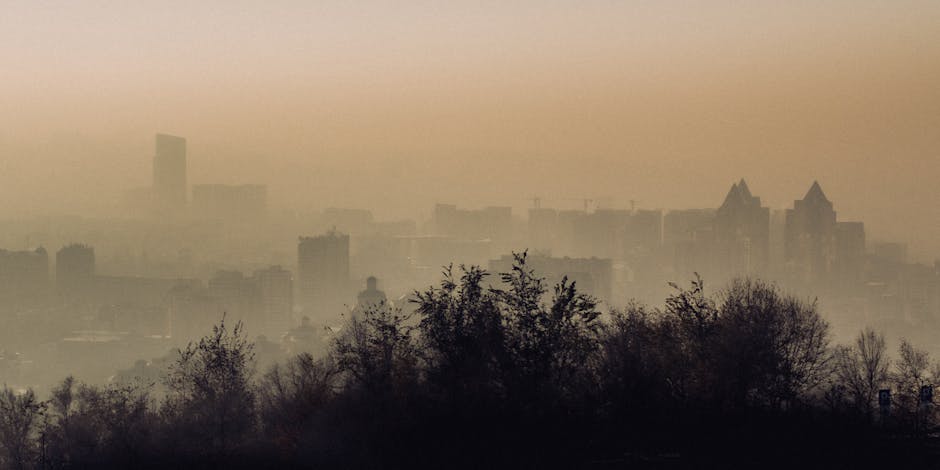
- Europe experienced its hottest year on record in 2022, with 99.5% of the continent seeing above-average temperatures.
- Devastating wildfires burned a record area, while heatwaves affected regions from Scandinavia to Greece, causing widespread damage.
- The alarming trend has raised concerns about the long-term implications of climate change on European ecosystems, economies, and human health.
- Europe’s rapid warming is driven by both global climate trends and regional factors, such as changes in ocean currents and atmospheric circulation.
- The European Union’s slow progress in reducing greenhouse gas emissions and transitioning to renewable energy sources threatens severe consequences.
The year 2022 will be remembered as one of the hottest on record for Europe, with the continent experiencing ‘dangerously high’ temperatures that surpassed averages in almost every region. A staggering 99.5% of Europe saw above-average temperatures last year, according to a comprehensive new climate study. The scorching heat led to devastating wildfires that burnt a record area, while heatwaves struck from the northernmost parts of Scandinavia to the southernmost tip of Greece, leaving no part of the continent unscathed. The alarming trend has raised concerns about the long-term implications of climate change on European ecosystems, economies, and human health.
Rising Temperatures: A New Normal for Europe

The climate study’s findings are a stark reminder of the urgent need for climate action. Europe’s rapid warming is not just a consequence of global climate trends, but also a result of specific regional factors, such as changes in ocean currents and atmospheric circulation patterns. As the continent continues to warm at an unprecedented rate, the consequences of inaction will be severe, from more frequent and intense heatwaves to disruptions in food production and water scarcity. The European Union has pledged to reduce greenhouse gas emissions and transition to renewable energy sources, but the pace of progress remains slow, and the window for effective action is rapidly closing.
Wildfires and Heatwaves: A Catastrophic Summer

The summer of 2022 will be etched in the memories of Europeans for years to come, as the continent was ravaged by record-breaking wildfires and heatwaves. From the flames that engulfed parts of France and Spain to the heatwaves that struck the UK and Italy, no country was immune to the extreme weather events. The economic toll was significant, with estimated damages running into billions of euros, while the human cost was even higher, with thousands of people displaced and hundreds of lives lost. The climate study’s data reveals a disturbing pattern of increasing frequency and severity of such events, which will only worsen unless drastic measures are taken to reduce emissions and mitigate the effects of climate change.
Understanding the Causes and Consequences
Experts point to a combination of natural and human-induced factors as the primary drivers of Europe’s rapid warming. The climate study highlights the role of greenhouse gas emissions, particularly carbon dioxide and methane, in trapping heat and driving up temperatures. Additionally, changes in land use, such as deforestation and urbanization, have contributed to the continent’s warming trend. The consequences of inaction will be far-reaching, from disruptions to food systems and water supplies to increased mortality and morbidity due to heat stress and other climate-related health issues. As the continent continues to warm, the need for adaptive measures, such as early warning systems and climate-resilient infrastructure, will become increasingly urgent.
A Continent in Peril: Implications and Challenges
The implications of Europe’s rapid warming are profound and far-reaching, affecting not just the environment, but also the economy, human health, and social stability. As temperatures continue to rise, the continent’s most vulnerable populations, including the elderly, young children, and those with pre-existing medical conditions, will be disproportionately affected. The economic costs of inaction will be staggering, from damage to infrastructure and agriculture to losses in tourism and recreation. Furthermore, the social and cultural fabric of European societies will be tested, as communities are forced to adapt to a new climate reality, with all its attendant challenges and uncertainties.
Expert Perspectives
Climate experts and policymakers are divided on the best course of action to address Europe’s rapid warming. Some argue that the continent must prioritize reducing emissions and transitioning to renewable energy sources, while others emphasize the need for adaptive measures, such as climate-resilient infrastructure and early warning systems. According to Dr. Maria Rodriguez, a leading climate scientist, ‘The window for effective action is rapidly closing, and Europe must take bold and immediate steps to reduce its carbon footprint and prepare for the inevitable consequences of climate change.’ In contrast, Dr. John Taylor, a climate skeptic, argues that ‘the science is not yet settled, and we must be cautious not to overreact to short-term trends.’
As the continent looks to the future, one thing is clear: the need for climate action has never been more urgent. The coming years will be crucial in determining the trajectory of Europe’s climate future, and the choices made now will have far-reaching consequences for generations to come. Will the continent be able to reduce its emissions and transition to a low-carbon economy, or will it succumb to the devastating consequences of climate change? Only time will tell, but one thing is certain – the fate of Europe, and indeed the world, hangs in the balance.