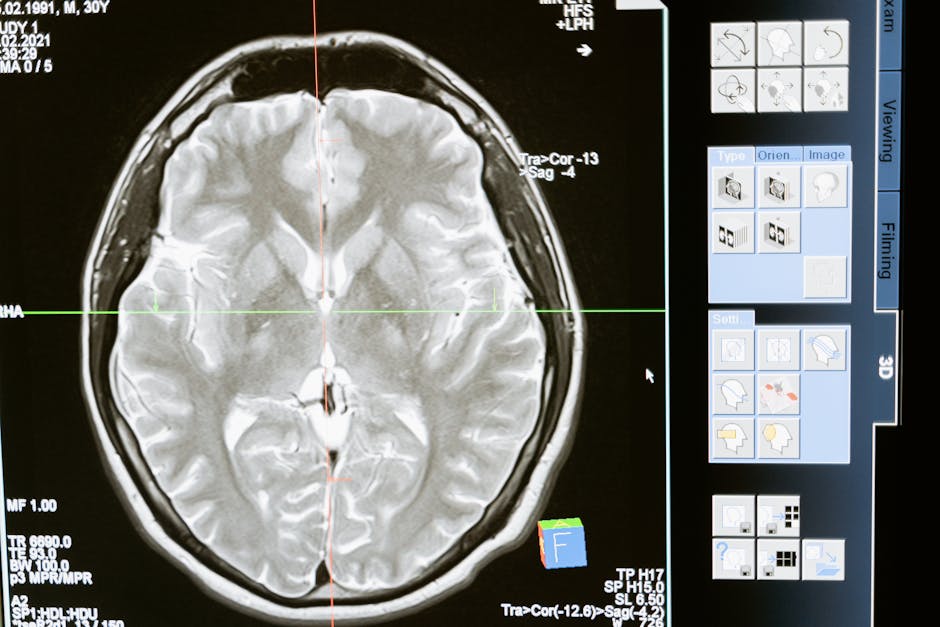
- Deterioration in cognitive function often precedes cardiovascular disease events in older adults.
- Monitoring cognitive function could be a crucial step in identifying seniors at risk of developing CVD.
- Cognitive decline may be an early warning sign of cardiovascular disease.
- Early intervention and prevention strategies could reduce the risk of CVD events in seniors.
- The relationship between cognitive health and cardiovascular disease is complex and multifaceted.
A striking fact has emerged from a recent study published in JAMA Network Open: deterioration in cognitive function often precedes cardiovascular disease (CVD) events in older adults. This finding has significant implications for the prevention and management of heart disease in seniors. The study, which analyzed data from over 1,000 participants, found that cognitive decline was a precursor to CVD events, including heart attacks, strokes, and other cardiovascular conditions. This suggests that monitoring cognitive function could be a crucial step in identifying seniors at risk of developing CVD.
Cognitive Health and Cardiovascular Disease: A Complex Relationship

The relationship between cognitive health and cardiovascular disease is complex and multifaceted. While it has long been known that there is a link between the two, the exact nature of this relationship has been unclear. The new study sheds light on this issue, suggesting that cognitive decline may be an early warning sign of CVD. This is important because it could allow for early intervention and prevention strategies to be implemented, potentially reducing the risk of CVD events in seniors. The study’s findings are particularly relevant given the aging population and the increasing burden of CVD on healthcare systems.
Key Findings: Cognitive Decline and Cardiovascular Disease Events

The study found that participants who experienced cognitive decline were more likely to experience CVD events, including heart attacks, strokes, and other cardiovascular conditions. The researchers analyzed data from over 1,000 participants, aged 65 and older, who were followed for a period of five years. The results showed that cognitive decline was a significant predictor of CVD events, even after adjusting for other risk factors such as hypertension, diabetes, and high cholesterol. The study’s findings suggest that cognitive function should be considered an important factor in the assessment of CVD risk in seniors.
Analysis: Understanding the Causes and Effects of Cognitive Decline
The exact causes of cognitive decline in older adults are not fully understood, but it is thought to be the result of a combination of factors, including age-related changes, lifestyle factors, and underlying medical conditions. The study’s findings suggest that cognitive decline may be an early indicator of CVD risk, potentially due to shared underlying pathophysiological mechanisms. For example, inflammation and oxidative stress have been implicated in both cognitive decline and CVD. Further research is needed to fully understand the relationship between cognitive decline and CVD, but the study’s findings highlight the importance of considering cognitive health in the prevention and management of heart disease.
Implications: Identifying and Managing CVD Risk in Seniors
The study’s findings have significant implications for the identification and management of CVD risk in seniors. By monitoring cognitive function, healthcare providers may be able to identify individuals at risk of developing CVD and implement early intervention strategies to reduce this risk. This could include lifestyle modifications, such as increasing physical activity and improving diet, as well as medical interventions, such as statin therapy and blood pressure management. The study’s findings also highlight the importance of considering cognitive health in the assessment of CVD risk, potentially leading to more accurate and effective risk stratification.
Expert Perspectives
Experts in the field have welcomed the study’s findings, highlighting the importance of considering cognitive health in the prevention and management of heart disease. “This study provides important new insights into the relationship between cognitive decline and CVD risk,” said one expert. “It highlights the need for healthcare providers to consider cognitive function when assessing CVD risk in seniors.” Another expert noted that the study’s findings have significant implications for public health, potentially leading to more effective strategies for preventing and managing CVD in older adults.
Looking to the future, the study’s findings raise important questions about the potential for cognitive function to be used as a biomarker for CVD risk. Further research is needed to fully understand the relationship between cognitive decline and CVD, but the study’s findings suggest that this could be a promising area of investigation. As the population ages and the burden of CVD continues to grow, the development of effective strategies for preventing and managing heart disease will be crucial. The study’s findings provide an important step in this direction, highlighting the importance of considering cognitive health in the prevention and management of CVD.