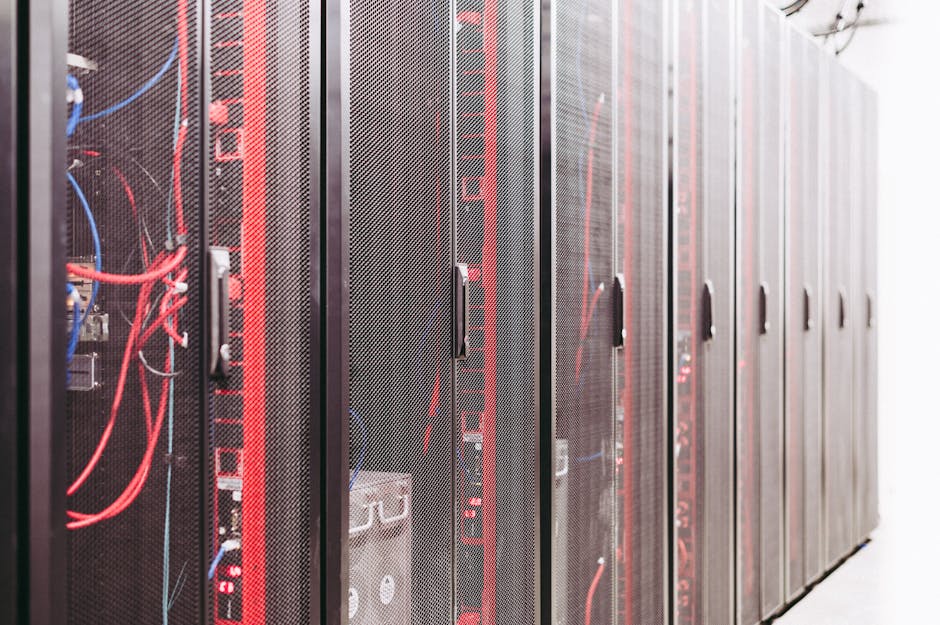
- AI adoption has led to increased compute costs, surpassing human labor costs in some industries.
- Compute costs can account for up to 90% of the total cost of AI implementation.
- Developing efficient AI algorithms and specialized hardware is crucial to reducing compute costs.
- The rising cost of AI compute is a major concern for organizations and the AI industry as a whole.
- Addressing compute costs is essential for the long-term sustainability of AI adoption.
The rapid advancement of artificial intelligence has led to a significant increase in its adoption across various industries. However, a striking fact has come to light: the cost of compute required to run AI systems has surpassed the costs of human labor. According to a recent statement by an Nvidia executive, the expense of computing power necessary for AI operations is far beyond the costs of employing human workers. This revelation has sparked a debate about the economic viability of AI and its potential impact on the job market. As AI technology continues to evolve, it is essential to examine the factors contributing to its high compute costs and the implications for businesses and employees.
The Rising Cost of AI Compute

The increasing demand for AI has led to a surge in the requirement for powerful computing hardware. The complexity of AI algorithms and the vast amounts of data they process have resulted in a significant rise in compute costs. The cost of training and deploying AI models has become a major concern for organizations, with some estimates suggesting that the expense of computing power can account for up to 90% of the total cost of AI implementation. This has led to a growing interest in developing more efficient AI algorithms and specialized hardware designed to reduce compute costs. As the AI industry continues to grow, it is crucial to address the issue of rising compute costs to ensure the long-term sustainability of AI adoption.
Key Players and Developments

Nvidia, a leading manufacturer of graphics processing units (GPUs), has been at the forefront of the AI compute market. The company’s GPUs are widely used in AI applications, including deep learning and natural language processing. However, the high cost of Nvidia’s GPUs has been a major concern for many organizations. Other companies, such as Google and Amazon, have also developed their own AI-focused hardware, including tensor processing units (TPUs) and inference chips. These developments aim to reduce the cost and increase the efficiency of AI compute. As the market continues to evolve, it is likely that new players will emerge, and existing companies will continue to innovate and improve their offerings.
Causes and Effects of High Compute Costs
The primary cause of high AI compute costs is the complexity of AI algorithms, which require significant amounts of processing power and memory. The use of large datasets and the need for rapid processing have led to a surge in demand for powerful computing hardware. The effects of high compute costs are far-reaching, with many organizations struggling to justify the expense of AI implementation. This has resulted in a slowdown in AI adoption, particularly among small and medium-sized businesses. Furthermore, the high cost of AI compute has raised concerns about the environmental impact of AI, with the energy consumption of data centers and computing hardware contributing to greenhouse gas emissions. As the AI industry continues to grow, it is essential to address the issue of high compute costs and develop more sustainable solutions.
Implications and Consequences
The high cost of AI compute has significant implications for businesses and employees. As AI adoption becomes more widespread, there is a growing concern that the expense of AI implementation could lead to job losses and increased inequality. The cost of AI compute could also limit the accessibility of AI technology, with only large corporations and well-funded organizations able to afford the necessary hardware and expertise. Furthermore, the environmental impact of AI compute could become a major concern, with the energy consumption of data centers and computing hardware contributing to climate change. As the AI industry continues to evolve, it is crucial to develop more efficient and sustainable solutions to mitigate the negative consequences of high compute costs.
Expert Perspectives
Experts in the field of AI and computing have varying opinions on the issue of high compute costs. Some believe that the development of more efficient AI algorithms and specialized hardware will eventually reduce the cost of AI compute. Others argue that the expense of AI implementation is a necessary step towards achieving the benefits of AI, including increased productivity and improved decision-making. According to Dr. Andrew Ng, a leading AI researcher, ‘the cost of AI compute is a major concern, but it is also an opportunity for innovation and growth.’ As the debate continues, it is clear that the issue of high compute costs will remain a major challenge for the AI industry in the coming years.
Looking ahead, it is essential to monitor the developments in the AI compute market and the innovations that aim to reduce costs and increase efficiency. The emergence of new technologies, such as quantum computing and neuromorphic chips, could potentially revolutionize the field of AI and mitigate the issue of high compute costs. As the AI industry continues to evolve, it is crucial to address the challenges and concerns surrounding AI compute costs and ensure that the benefits of AI are accessible to all. The question remains: will the AI industry be able to overcome the hurdle of high compute costs and achieve its full potential, or will the expense of AI implementation limit its adoption and impact?