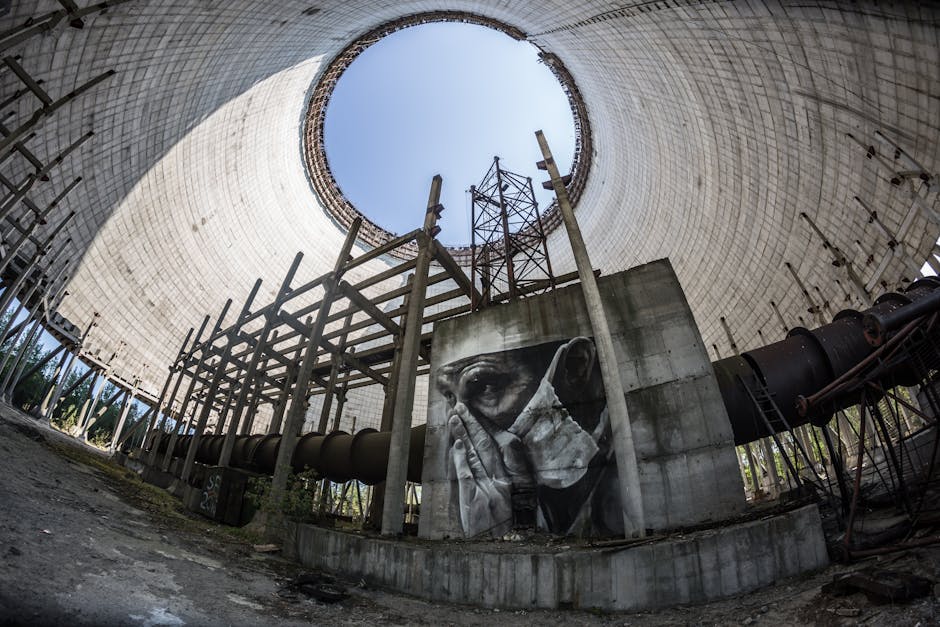
- The Chornobyl disaster released massive quantities of radioactive material into the environment in 1986.
- The area surrounding the Chornobyl Nuclear Power Plant remains largely abandoned due to ongoing radiation risks.
- The legacy of Chornobyl continues to be felt, with the ongoing conflict in Ukraine posing new challenges.
- The exclusion zone around the plant remains in place, with access strictly controlled due to radiation risks.
- The Chornobyl disaster has had a profound impact on the environment, contaminating large areas of land and affecting local ecosystems.
The Chornobyl disaster, one of the worst nuclear accidents in history, occurred on April 26, 1986, releasing massive quantities of radioactive material into the environment. Four decades later, the area surrounding the Chornobyl Nuclear Power Plant remains largely abandoned, with radiation levels still posing a significant threat to human health. Despite the passing of time, the legacy of Chornobyl continues to be felt, with the ongoing conflict in Ukraine bringing new challenges to the management and safety of the exclusion zone.
The Legacy of Disaster

The Chornobyl disaster was a watershed moment in the history of nuclear power, highlighting the devastating consequences of human error and design flaws. In the immediate aftermath of the accident, a 30-kilometer radius around the plant was evacuated, leaving behind the ghost city of Pripyat and numerous smaller settlements. Today, the exclusion zone remains in place, with access strictly controlled due to the ongoing radiation risks. The disaster has also had a profound impact on the environment, with radioactive material contaminating large areas of land and affecting local ecosystems.
Current Situation and Challenges

The current situation in Chornobyl is complex and challenging, with the ongoing conflict in Ukraine raising concerns about the safety and security of the exclusion zone. The plant itself has undergone significant work to improve its safety, including the construction of a new containment structure. However, the surrounding area remains heavily contaminated, with radiation levels posing a significant threat to human health. The conflict has also disrupted the normal functioning of the plant, with concerns raised about the potential for accidents or sabotage. Despite these challenges, efforts continue to decontaminate and rehabilitate the area, with a focus on making it safe for future generations.
Analysis and Implications
An analysis of the situation in Chornobyl highlights the need for continued international cooperation and support to address the ongoing challenges. The disaster has significant implications for the environment, human health, and the economy, with the costs of cleanup and rehabilitation estimated to run into billions of dollars. The conflict in Ukraine has also raised concerns about the potential for nuclear accidents or the use of radioactive material as a weapon of war. Experts warn that the situation in Chornobyl is a stark reminder of the dangers of nuclear power and the need for robust safety measures to prevent similar disasters in the future.
Human Impact and Rehabilitation
The human impact of the Chornobyl disaster has been significant, with thousands of people displaced and many more affected by radiation-related illnesses. Efforts to rehabilitate the area and make it safe for human habitation are ongoing, with a focus on decontamination and the development of new technologies to remove radioactive material. However, the process is slow and challenging, with many areas likely to remain off-limits for generations to come. The conflict in Ukraine has also raised concerns about the welfare of those living in the surrounding areas, with many struggling to access basic services and support.
Expert Perspectives
Experts offer contrasting viewpoints on the future of Chornobyl, with some arguing that the area could be safely rehabilitated and others warning that it will remain a radioactive wasteland for generations to come. Some experts believe that new technologies and international cooperation could hold the key to unlocking a safer future for the area, while others are more pessimistic, highlighting the significant challenges and risks involved. Despite these differences, there is a broad consensus on the need for continued support and cooperation to address the ongoing challenges in Chornobyl.
Looking to the future, there are many open questions about the long-term fate of Chornobyl and the surrounding area. Will it be possible to safely rehabilitate the area, or will it remain a radioactive exclusion zone for generations to come? What role will international cooperation and support play in addressing the ongoing challenges, and how will the conflict in Ukraine impact the future of the region? As the world marks the 40th anniversary of the Chornobyl disaster, these are just some of the questions that will be at the forefront of discussions about this troubled and fascinating region.