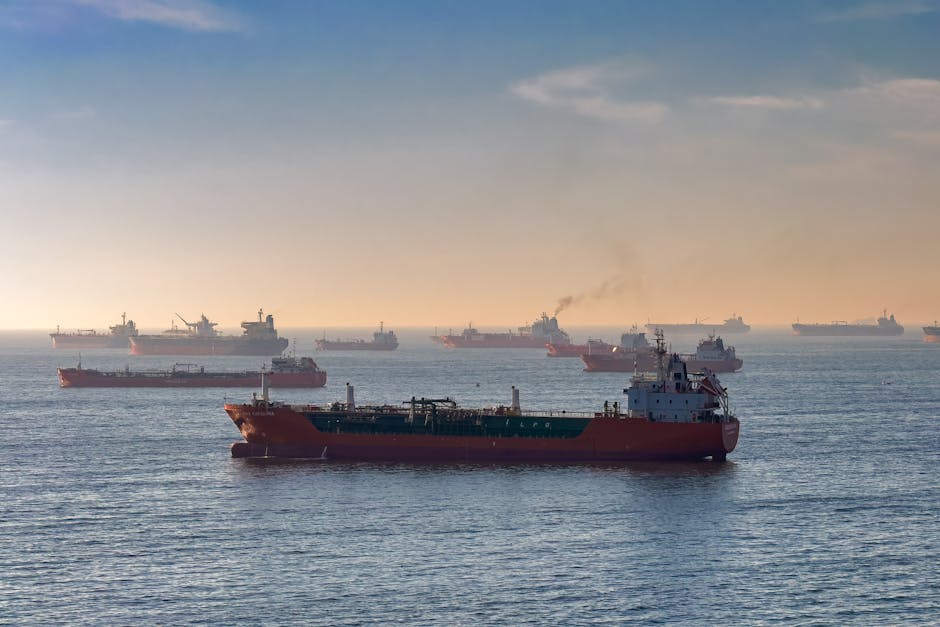
- The Strait of Hormuz is a critical waterway through which 20% of the world’s oil passes daily, impacting global energy markets.
- A potential US-led blockade of the strait could lead to increased oil prices and potential shortages worldwide.
- The region has been a hotbed of tensions between the US, Iran, and other Middle Eastern countries for years.
- A prolonged blockade could have far-reaching consequences for global trade routes and economies.
- The motivations behind the potential blockade are aimed at exerting pressure on Iran and limiting its oil exports.
The Strait of Hormuz, a critical waterway connecting the Persian Gulf to the Gulf of Oman, has long been a focal point of global economic and geopolitical tensions. Recently, reports have emerged suggesting that former US President Donald Trump instructed his aides to prepare for a prolonged blockade of the strait, a move that could have far-reaching consequences for global oil prices, trade routes, and economies. According to a report by the Wall Street Journal, the potential blockade is part of a broader strategy to exert pressure on Iran and limit its ability to export oil. This development has significant implications for the global economy, and it is essential to understand the context and potential consequences of such a move.
Geopolitical Context and Economic Significance

The Strait of Hormuz is a vital shipping lane, with approximately 20% of the world’s oil passing through it every day. Any disruption to the flow of oil through the strait would have a profound impact on global energy markets, leading to increased prices and potential shortages. The region has been a flashpoint for tensions between the US, Iran, and other Middle Eastern countries, with ongoing conflicts and diplomatic efforts to resolve the issues. The potential blockade is a significant escalation of these tensions, and it is crucial to consider the motivations behind such a move and the potential consequences for the global economy. The blockade could also have a ripple effect on other industries, such as shipping and trade, further exacerbating the economic impact.
Key Details and Players Involved

According to reports, the Trump administration has been exploring options for a blockade of the Strait of Hormuz, including the potential use of military assets to restrict Iranian oil exports. The move is seen as part of a broader effort to pressure Iran into renegotiating the Joint Comprehensive Plan of Action (JCPOA), also known as the Iran nuclear deal. The US has been critical of the deal, citing concerns over Iran’s nuclear program and its support for militant groups in the region. Other key players involved in the situation include European countries, which have been working to salvage the JCPOA, and China, which has significant economic interests in the region. The blockade could also draw in other countries, such as Russia and Turkey, which have their own interests in the region.
Analysis and Expert Insights
Experts warn that a prolonged blockade of the Strait of Hormuz would have severe consequences for the global economy, including increased oil prices, reduced economic growth, and potential shortages of essential goods. The move could also lead to a significant escalation of tensions in the region, potentially drawing in other countries and leading to a wider conflict. Furthermore, the blockade could have a disproportionate impact on certain countries, such as Japan and South Korea, which rely heavily on oil imports from the region. The situation is complex, with multiple factors at play, and it is essential to consider the potential consequences of such a move. As one expert noted, “A blockade of the Strait of Hormuz would be a catastrophic event for the global economy, and it is crucial that all parties involved work to find a diplomatic solution to the crisis.”
Implications and Potential Consequences
The potential blockade of the Strait of Hormuz has significant implications for the global economy, and it is essential to consider the potential consequences of such a move. The blockade could lead to increased oil prices, reduced economic growth, and potential shortages of essential goods. It could also have a disproportionate impact on certain countries, such as Japan and South Korea, which rely heavily on oil imports from the region. Furthermore, the blockade could lead to a significant escalation of tensions in the region, potentially drawing in other countries and leading to a wider conflict. The situation is complex, with multiple factors at play, and it is essential to consider the potential consequences of such a move. As the situation continues to unfold, it is crucial to monitor developments closely and work towards a diplomatic solution to the crisis.
Expert Perspectives
Experts are divided on the potential consequences of a blockade of the Strait of Hormuz, with some warning of catastrophic economic consequences and others arguing that the move could be an effective way to pressure Iran into renegotiating the JCPOA. As one expert noted, “The blockade could be a game-changer in the region, forcing Iran to reconsider its position on the nuclear deal.” However, others argue that the move would be a mistake, leading to increased tensions and potential conflict. “The blockade would be a catastrophic event for the global economy, and it is crucial that all parties involved work to find a diplomatic solution to the crisis,” said another expert.
As the situation continues to unfold, it is essential to consider the potential consequences of a blockade of the Strait of Hormuz and work towards a diplomatic solution to the crisis. The coming weeks and months will be critical in determining the outcome of the situation, and it is crucial to monitor developments closely. One key question is whether the US and its allies will be able to find a diplomatic solution to the crisis, or if the situation will escalate further, leading to a wider conflict. The answer to this question will have significant implications for the global economy and the future of the region.