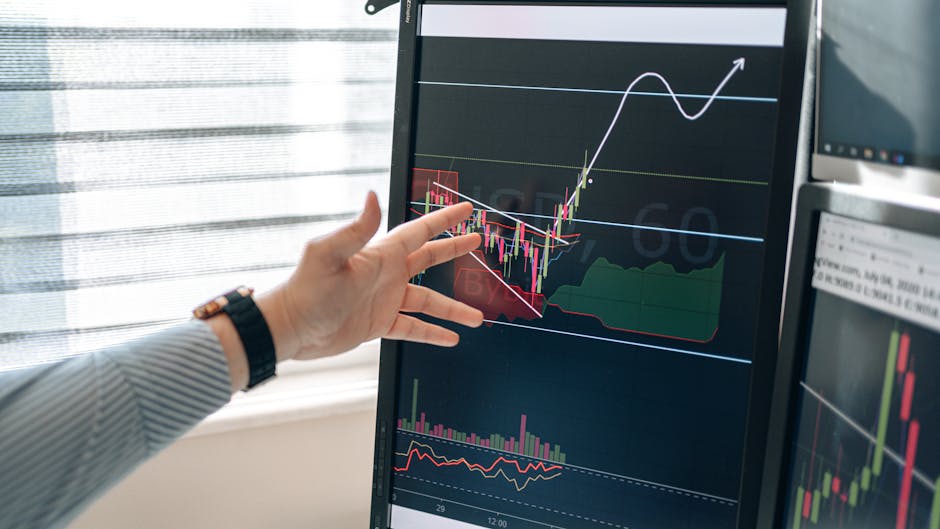
- Millions of dollars were wagered on US measles outbreak predictions in 2024, a record figure in epidemiological forecasting.
- Prediction markets, like Metaculus and PredictIt, are aggregating real-time beliefs from thousands of participants, some with medical knowledge.
- The convergence of behavioral economics and infectious disease modeling is sparking debate about the use of betting markets as an early-warning tool for public health officials.
- Traditional models, such as SIR compartmental models, often lag behind real-world developments and rely on historical data and vaccination rates.
- Financial stakes in prediction markets incentivize accuracy and can lead to more dynamic and effective disease forecasting systems.
In early 2024, more than $40 million changed hands on prediction markets tied to the likelihood of measles outbreaks across the United States—a figure nearly unheard of in the niche world of epidemiological forecasting. Traders, academics, and public health observers are watching closely as platforms like Metaculus and PredictIt register surging interest in contracts linked to CDC outbreak thresholds. Unlike traditional models, which rely on historical data and vaccination rates, these markets aggregate real-time beliefs from thousands of participants, some with specialized medical knowledge. The result is a dynamic forecast system where financial stakes incentivize accuracy. As measles cases have climbed in states with declining childhood immunization rates, the convergence of behavioral economics and infectious disease modeling is sparking debate: can betting markets become an early-warning tool for public health officials?
The Rise of Disease Prediction Markets

For decades, epidemiologists have relied on compartmental models—such as SIR (Susceptible, Infected, Recovered)—to project disease spread based on transmission rates, population density, and immunity levels. While effective in controlled simulations, these models often lag behind real-world developments. In contrast, prediction markets function like financial exchanges, where participants buy and sell shares based on the probability of future events. If a measles outbreak in over 50 cases is declared in any U.S. state before July 2025, a contract might pay out $1. Traders bid up the price if they believe it’s likely, driving the market-implied probability higher. Research from the University of Chicago has shown that such markets consistently outperform expert consensus in forecasting geopolitical and economic events. Now, scientists at institutions including the Harvard T.H. Chan School of Public Health are exploring whether this mechanism can anticipate outbreaks faster than conventional surveillance.
How the Measles Markets Work

The current measles contracts on platforms like Metaculus hinge on official declarations by the Centers for Disease Control and Prevention (CDC) or state health departments. Users purchase binary “yes” or “no” shares, with prices fluctuating between $0.01 and $0.99 to reflect perceived likelihood. For instance, in March 2024, the market price for a measles outbreak exceeding 100 cases in Texas reached $0.68—implying a 68% chance—shortly before a confirmed cluster emerged in Dallas. Behind these trades are diverse actors: epidemiologists weighing local vaccination rates, parents in school districts debating immunization requirements, and even hedge fund analysts tracking social sentiment. The CDC does not currently use prediction market data in its official advisories, but a 2023 pilot collaboration with the University of Iowa’s American Association of Individual Investors program found strong correlation between market signals and actual flu trends, suggesting potential for integration.
Data, Behavior, and Collective Intelligence

What makes prediction markets compelling is their ability to synthesize fragmented information. A local pediatrician might know that MMR vaccination rates in their county have dropped below 80%—well below the 95% threshold needed for herd immunity. A school administrator may observe rising numbers of vaccine exemptions. A data scientist could track social media trends showing anti-vaccine sentiment spiking. Individually, these signals might go unnoticed; collectively, they influence market prices. A 2022 study published in Nature Medicine found that prediction markets detected simulated outbreaks an average of 12 days earlier than traditional reporting systems. While not infallible—markets can be swayed by misinformation or herd behavior—the incentives for accuracy tend to correct errors over time, as informed traders profit and others adjust.
Implications for Public Health Infrastructure

If prediction markets prove reliable, they could become a complementary tool for agencies like the CDC and WHO, offering early signals that trigger targeted interventions. For example, rising odds in a specific region could prompt public awareness campaigns, stockpiling of vaccines, or outreach to hesitant communities. In low-resource settings, where surveillance systems are underfunded, such decentralized intelligence might be even more valuable. However, ethical concerns remain: could speculation on disease outbreaks lead to harmful incentives or panic? Some bioethicists warn that turning public health into a betting arena risks normalizing morbidity as entertainment. Others counter that the data is already being traded indirectly—insurance firms and pharmaceutical companies rely on outbreak forecasts to make billion-dollar decisions. The difference, they argue, is transparency.
Expert Perspectives
“Prediction markets aren’t crystal balls, but they’re better at aggregating dispersed knowledge than any model we have,” says Dr. Emily Lyles, a health economist at Johns Hopkins. “When real money is on the line, people do their homework.” Yet skepticism persists. Dr. Rajiv Shah, former administrator of USAID, cautions that “markets can be volatile and influenced by noise. We shouldn’t replace science with sentiment.” Meanwhile, Dr. Sarah Kim, an epidemiologist at the CDC’s Emerging Infectious Diseases division, sees potential but urges caution: “We need rigorous validation before relying on any alternative data source for life-or-death decisions.”
As measles cases climb—fueled by declining vaccination rates and global travel—the question is no longer whether prediction markets can forecast outbreaks, but how public health institutions should respond. Will agencies begin monitoring these platforms like economic indicators? Could governments sponsor official disease markets to improve accuracy? And what safeguards are needed to prevent manipulation? With over 1.3 million users now active across global health forecasting platforms, the next outbreak may be predicted not by a lab, but by a bet.
Source: New Scientist