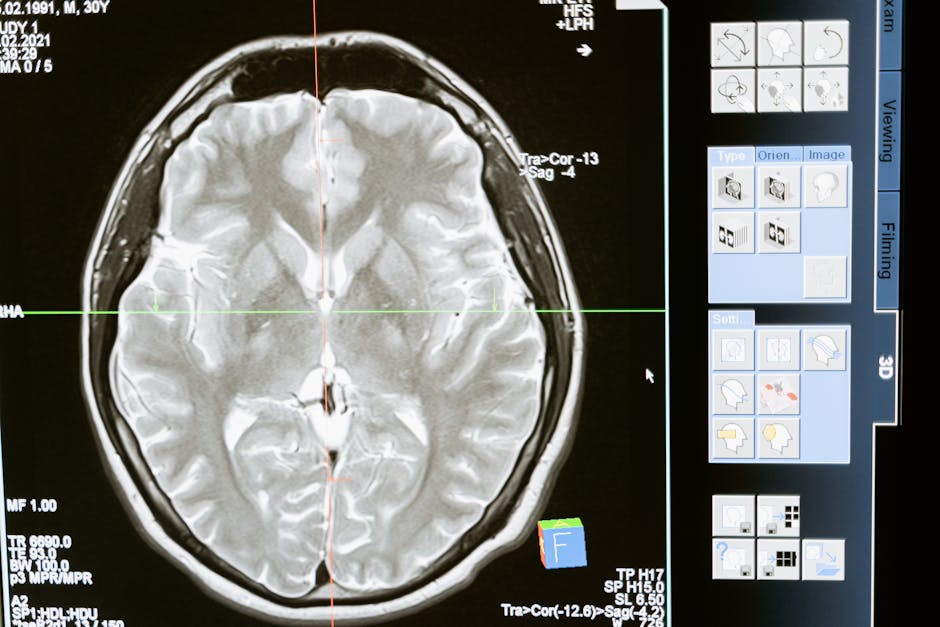
- Recent studies reveal brain health is influenced by a complex interplay of factors across a lifetime.
- Mental health conditions like depression and anxiety significantly impact brain structure and function.
- Physical health, including sleep, exercise, and nutrition, plays a crucial role in brain health outcomes.
- Environmental factors such as pollution, stress, and social determinants of health affect brain health.
- Understanding lifetime factors may hold the key to preventing or delaying neurodegenerative diseases like dementia and Alzheimer’s.
A striking fact has emerged from recent studies: brain health is not solely determined by genetics or events that occur later in life. Instead, a complex interplay of mental, physical, environmental, and lifestyle factors shapes the brain’s function and aging process over a lifetime. This realization has significant implications for individuals, policymakers, and healthcare professionals seeking to promote brain health and mitigate the risk of neurological disorders. With the global population aging rapidly, understanding the factors that influence brain health is more crucial than ever, as it may hold the key to preventing or delaying the onset of devastating conditions such as dementia and Alzheimer’s disease.
The Multifaceted Nature of Brain Health

The notion that brain health is multifaceted and influenced by a wide range of factors is not new, but the extent to which these factors interact and impact brain function is only now becoming clear. Research has shown that mental health, for instance, plays a critical role in brain health, with conditions such as depression and anxiety having a profound impact on the brain’s structure and function. Similarly, physical health, including factors such as sleep quality, exercise, and nutrition, has been linked to brain health outcomes. The environment, too, emerges as a significant factor, with exposure to pollutants, stress, and social determinants of health all contributing to the complex tapestry of influences on brain health. This understanding underscores the need for a holistic approach to promoting brain health, one that considers the intricate balance between these various factors.
Key Factors Influencing Brain Health

A closer examination of the key factors influencing brain health reveals a complex landscape. Mental health, as mentioned, is a crucial determinant, with studies indicating that individuals experiencing mental health issues are at a higher risk of developing neurological disorders. Physical activity, on the other hand, has been shown to have a protective effect on the brain, promoting blood flow and potentially reducing the risk of cognitive decline. The environment also plays a significant role, with research highlighting the detrimental effects of air pollution on brain health. Furthermore, lifestyle choices, including diet and substance use, have been linked to brain health outcomes, underscoring the importance of informed decision-making. Understanding these factors and how they interact is essential for the development of effective strategies to promote brain health.
Analysis of Causes and Effects
Analysis of the causes and effects of these factors on brain health reveals a dynamic interplay of influences. The impact of mental health on brain function, for example, can be seen in the altered brain structure and function observed in individuals with depression. Similarly, the effects of physical inactivity can be quantified through the increased risk of cognitive decline and dementia observed in sedentary populations. Environmental factors, such as exposure to pollutants, have also been linked to adverse brain health outcomes, including reduced cognitive function and increased risk of neurological disorders. Expert analysis suggests that these factors do not operate in isolation but rather interact in complex ways, emphasizing the need for a comprehensive approach to understanding and addressing brain health.
Implications for Individuals and Society
The implications of this research are far-reaching, affecting not only individuals but also society as a whole. For individuals, understanding the factors that influence brain health empowers them to make informed lifestyle choices that can mitigate the risk of neurological disorders. This knowledge can also inform policy decisions, guiding the development of public health initiatives and interventions aimed at promoting brain health. Moreover, recognizing the social determinants of brain health highlights the need for equitable access to resources and services that support mental and physical well-being, underscoring the importance of addressing health disparities. As the global population ages, the economic and social implications of brain health will only continue to grow, making it imperative to prioritize research and intervention in this critical area.
Expert Perspectives
Experts in the field offer contrasting viewpoints on the best approach to promoting brain health. Some argue that early intervention is key, suggesting that initiatives aimed at promoting mental and physical health in childhood and adolescence could have a lasting impact on brain health. Others emphasize the importance of addressing social determinants of health, highlighting the need for policy changes that support equitable access to healthcare and resources. Despite these differing perspectives, there is a consensus on the need for a multifaceted approach, one that considers the complex interplay of factors influencing brain health and seeks to address them through comprehensive and sustained interventions.
Looking forward, one of the most pressing questions is how to translate this knowledge into effective strategies for promoting brain health. As research continues to uncover the intricacies of brain health, it is clear that a collaborative effort involving policymakers, healthcare professionals, and individuals will be necessary to address the challenges posed by neurological disorders. The future of brain health research holds much promise, with emerging technologies and methodologies offering new insights into the brain’s function and aging process. However, realizing this promise will require continued investment in research and a commitment to applying the knowledge gained to improve brain health outcomes for all.